Protocol signed between the Ministries of Tourism and Antiquities and Communications to implement the Egypt Digital Heritage Portal project
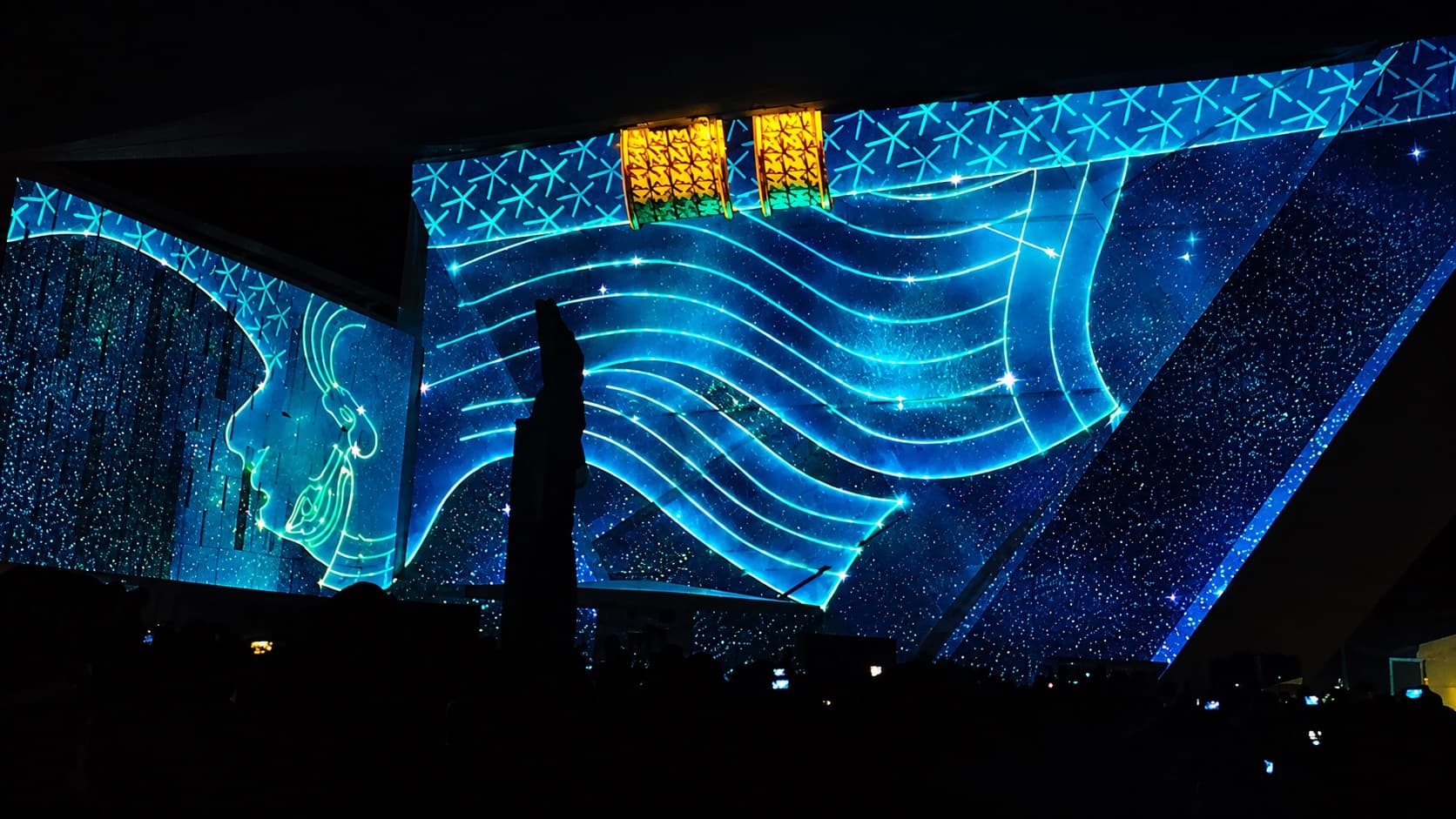
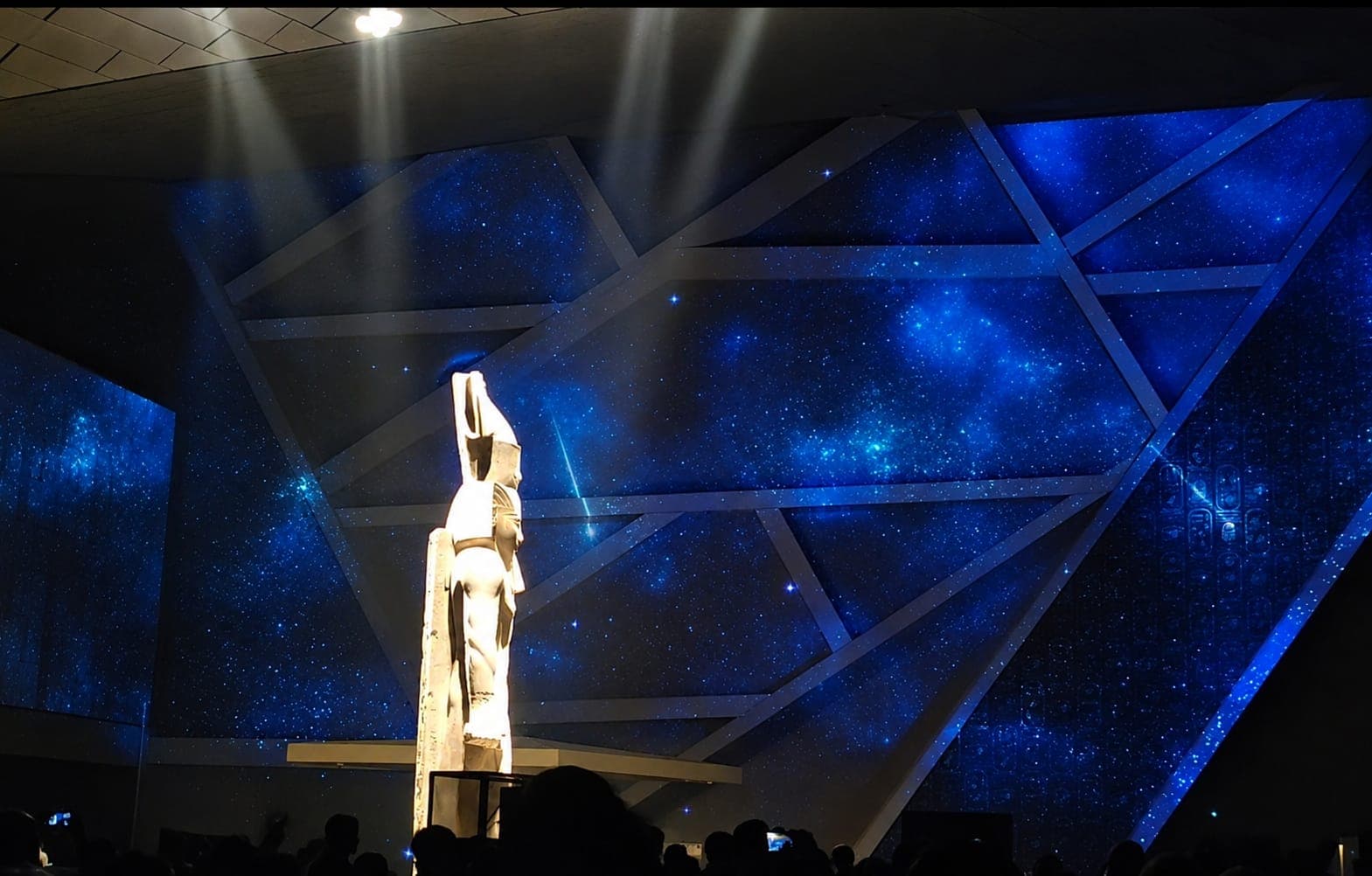
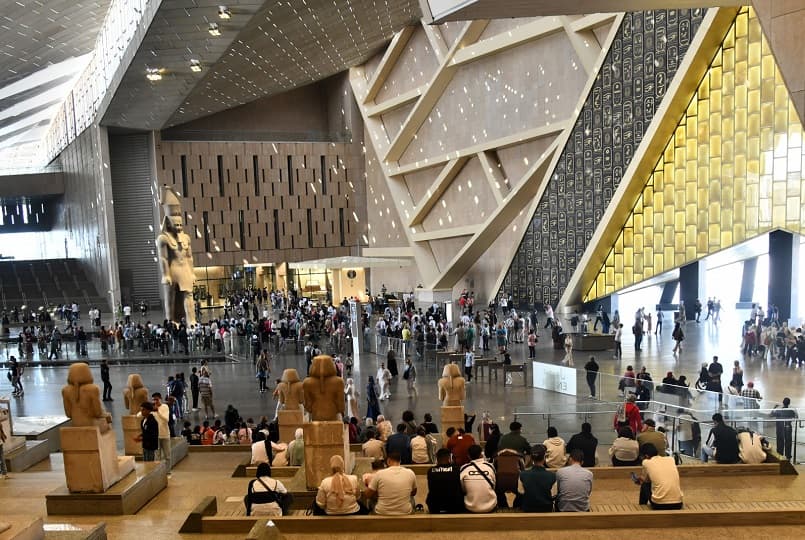
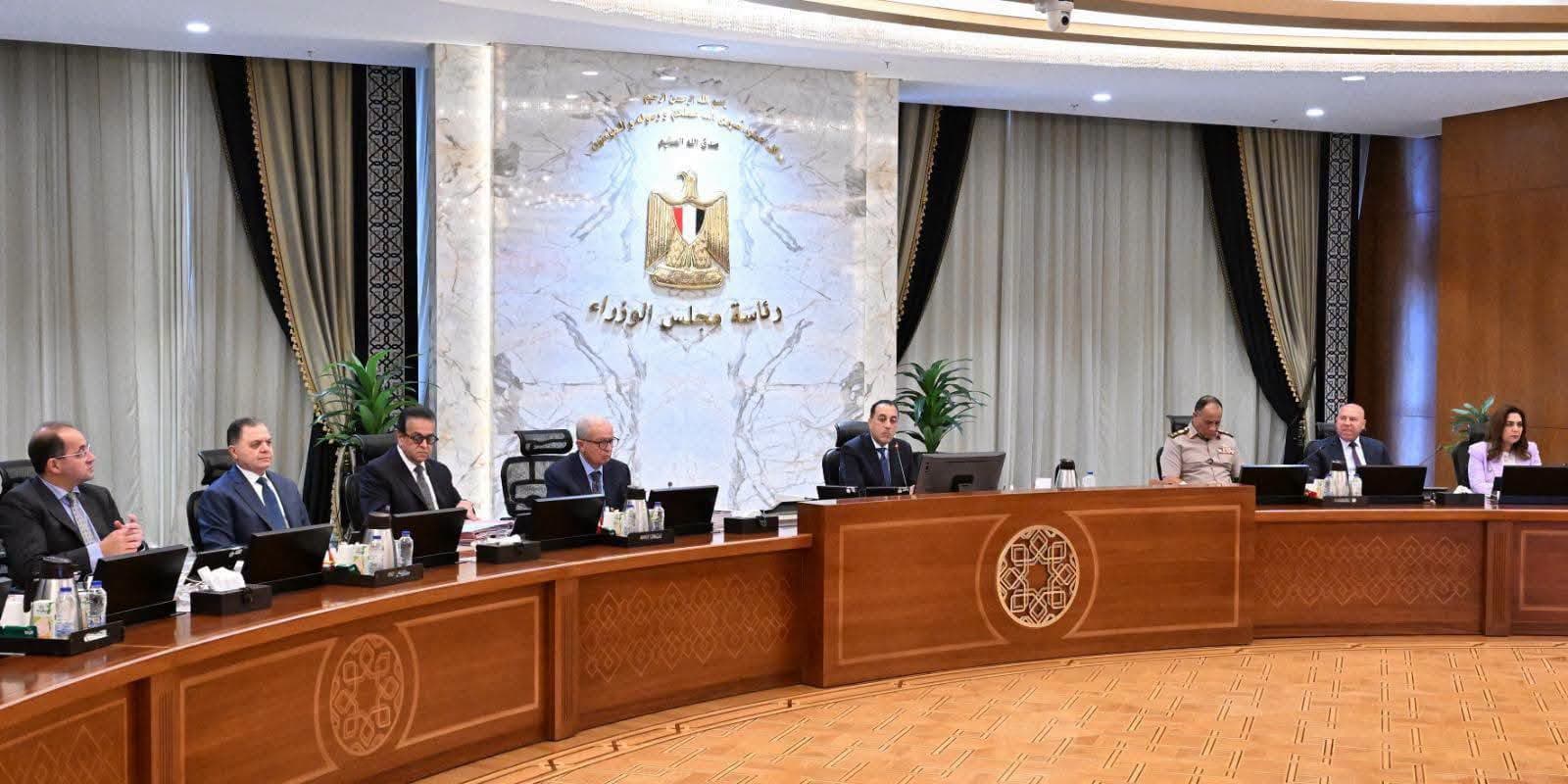
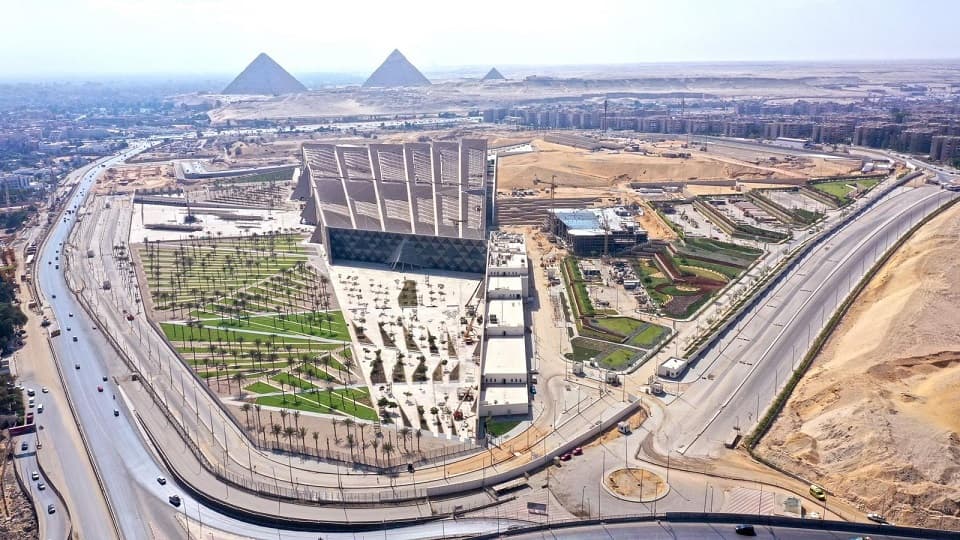
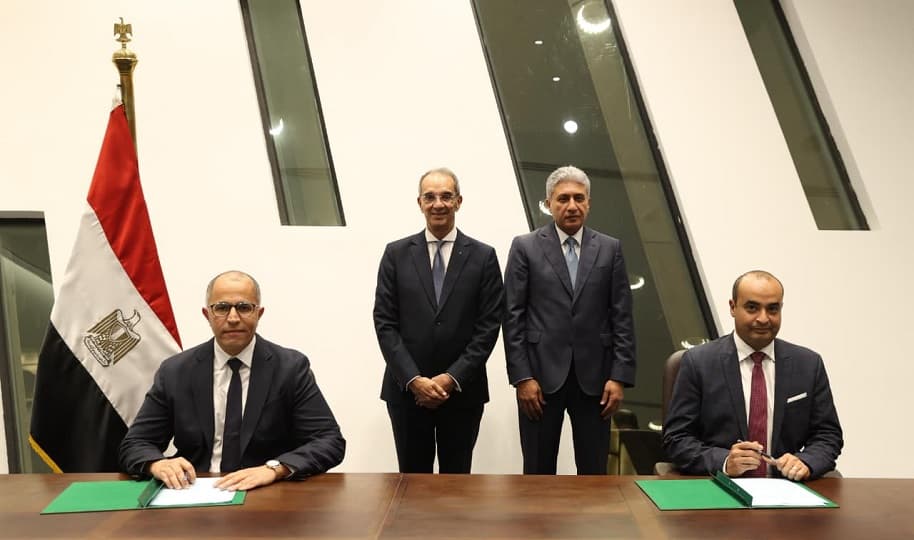
Sherif Fathy, Minister of Tourism and Antiquities, and Dr. Amr Talaat, Minister of Communications and Information Technology, witnessed the signing ceremony of two new cooperation protocols between the two ministries at the Grand Egyptian Museum, in a strategic step reflecting the Egyptian state's keenness to strengthen digital transformation efforts and develop smart infrastructure for archaeological sites and museums nationwide.
The signing of these two protocols affirms the Egyptian state's vision of supporting digital transformation efforts, safeguarding cultural heritage and developing the services provided to visitors, in a way that reflects Egypt's long-standing status and its tourism and cultural leadership at the regional and international levels.


The first protocol was signed by Dr. Mohamed Ismail Khaled, Secretary General of the Supreme Council of Antiquities, and Eng. Raafat Hindy, Deputy Minister of Communications and Information Technology for Technological Infrastructure Development and Digital Transformation.
This protocol aims to implement the "Egypt Digital Heritage Portal Project", which includes digitizing Egyptian archaeological content owned by the Supreme Council of Antiquities and making it available through an integrated digital platform serving researchers, students and those interested in archaeology.
The second protocol was signed by Dr. Mohamed Ismail Khaled and Eng. Ahmed Abdel Aziz, Executive Vice President for National Projects at the National Telecom Regulatory Authority, and aims at "providing and making available telecommunications services within Egyptian archaeological sites", to raise the efficiency of telecom services at archaeological sites and museums nationwide, while adhering to technical and environmental standards that ensure the preservation of the archaeological character and distinctive visual identity of those sites.
Sherif Fathy stressed that the signing of these two protocols comes within the framework of fruitful cooperation between the two ministries and reflects the Ministry of Tourism and Antiquities' keenness to keep pace with modern technological developments, enhance digital transformation in the sector and implement the ministry's digital transformation strategy, helping preserve paper and microfilm heritage documents and holdings for future generations and make them available to researchers and students, as well as raise the efficiency of services provided to tourists and improve their experience at archaeological sites.

Dr. Amr Talaat said the two protocols embody the close cooperation between the two ministries to upgrade the level of telecom services at archaeological sites, helping provide outstanding services to tourists, in addition to making the Supreme Council of Antiquities' digitized cultural content available on the "Egypt Digital Heritage" portal, to strengthen efforts to employ information technology in preserving Egypt's ancient civilizational heritage and making it digitally accessible.
For his part, Dr. Mohamed Ismail Khaled explained that the "Egypt Digital Heritage Portal" project protocol extends for 3 years, during which a specialized committee from the Supreme Council of Antiquities will be formed to inventory and select the archaeological content to be digitized, in coordination with the Ministry of Communications and Information Technology to make it available on the digital portal, while ensuring the protection of intellectual property rights.
Eng. Raafat Hindy stressed that the "Egypt Digital Heritage Portal" project is one of the most prominent projects being implemented by the ministry as part of achieving the targets of the Digital Egypt strategy, as it aims to strengthen efforts to activate the role of information and communications technology in supporting the cultural and knowledge economy, in a way that helps enrich Egyptian digital content and sustain Egypt's leadership.
Regarding the second protocol, Dr. Mohamed Shaaban, Assistant Minister of Tourism and Antiquities for Digital Services, explained that its aim is to improve the coverage and quality of telecom services within archaeological sites by developing the basic infrastructure of telecom networks in cooperation with companies licensed by the National Telecom Regulatory Authority, with a joint executive committee to be formed between the two sides to follow up on the implementation of the protocol and set work priorities.
The signing of the two protocols was attended by Dr. Ahmed Ghoneim, CEO of the Grand Egyptian Museum Authority; Rana Gohar, Advisor to the Minister of Tourism and Antiquities for Communication and External Relations and General Supervisor of the ministry's General Department of International Relations and Agreements; and Dr. Mohamed Shaaban, Assistant Minister of Tourism and Antiquities for Digital Services. From the Ministry of Communications and Information Technology, attendees included Dr. Hoda Baraka, Advisor to the Minister for Technology Skills Development, and Dr. Hisham El-Deeb, Head of the ministry's Digital Heritage Pillar.