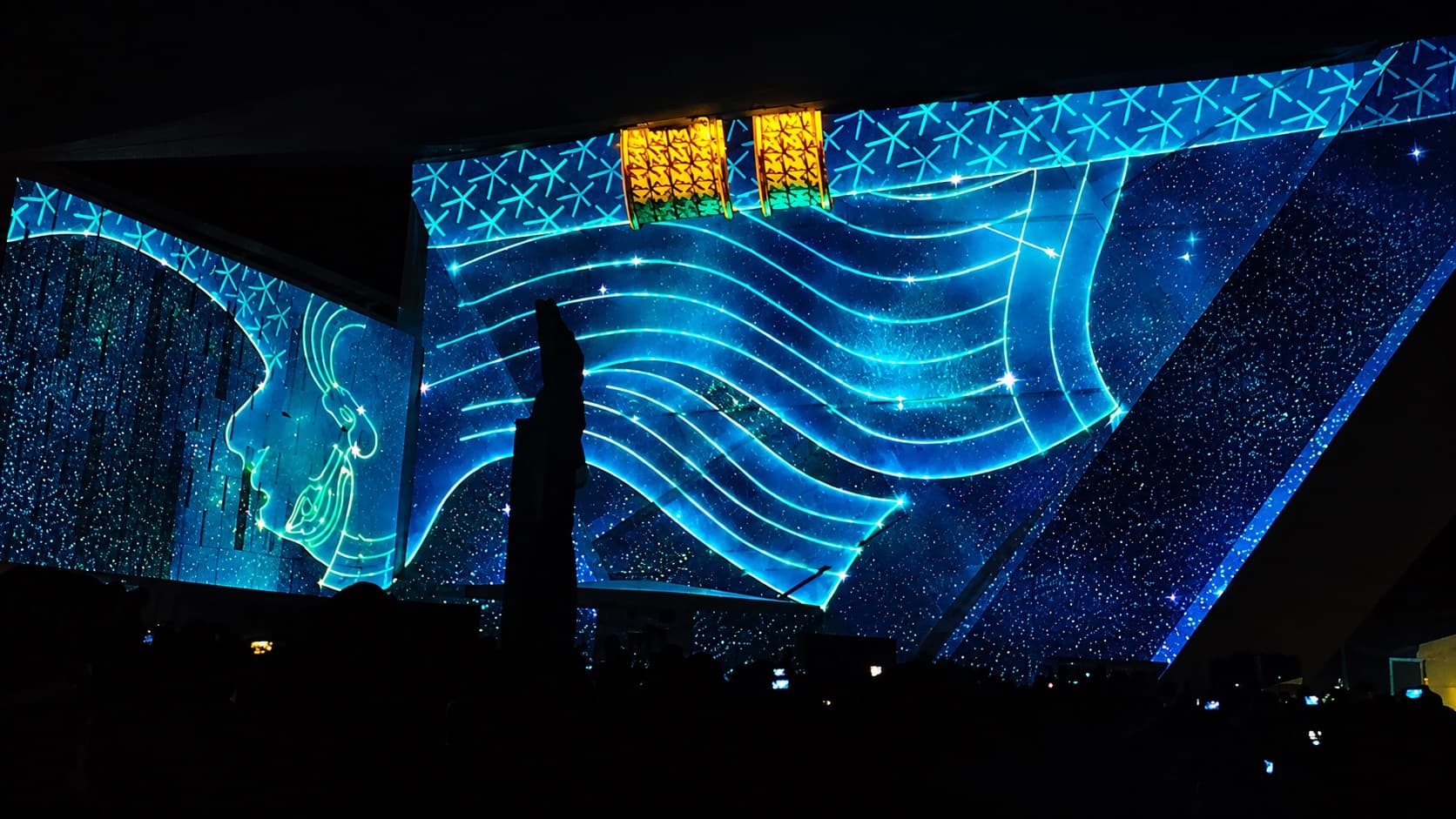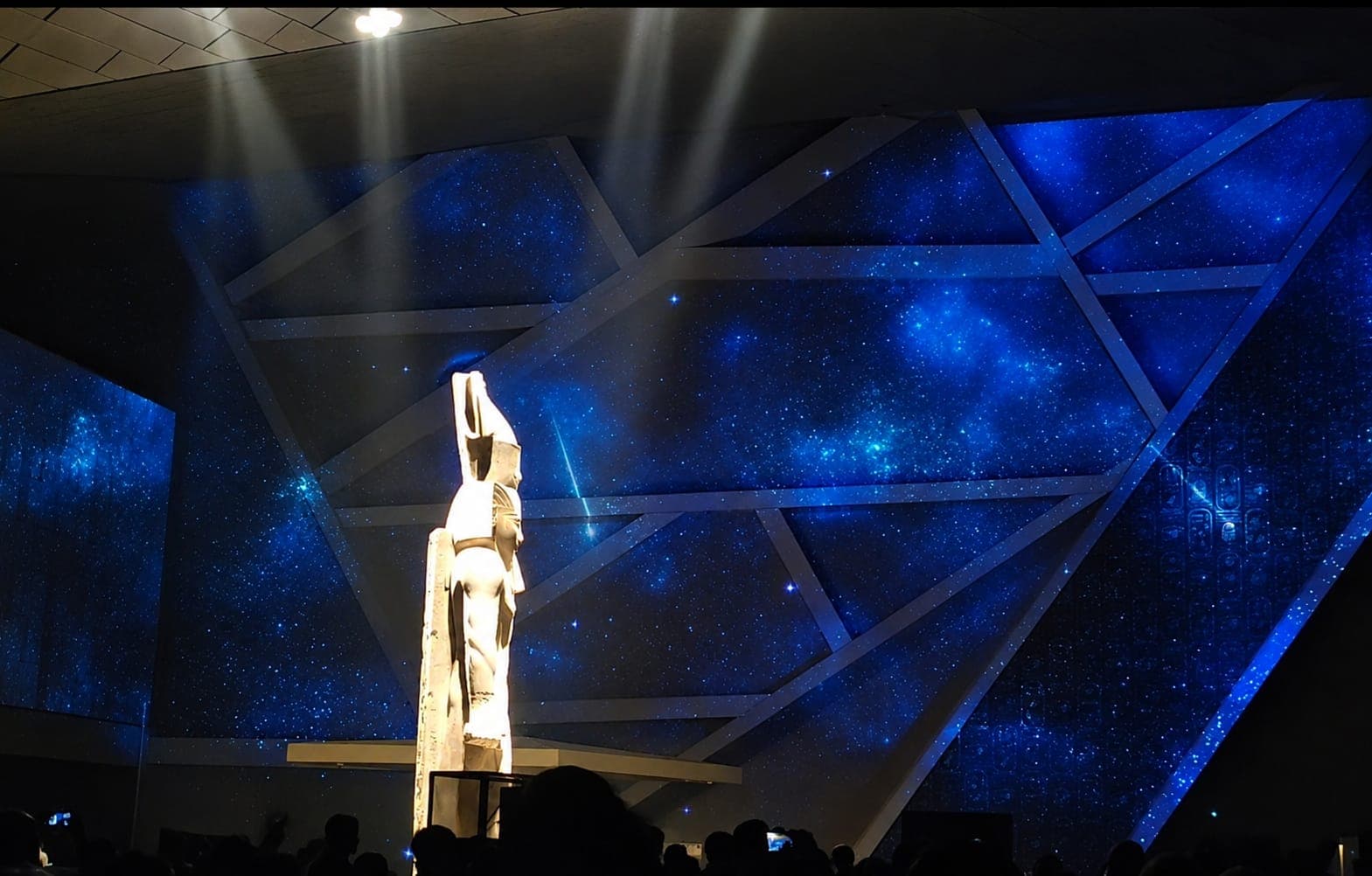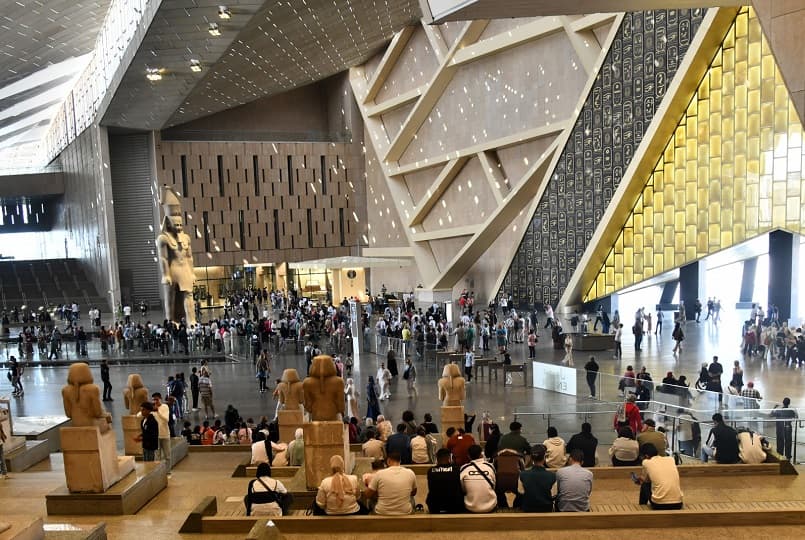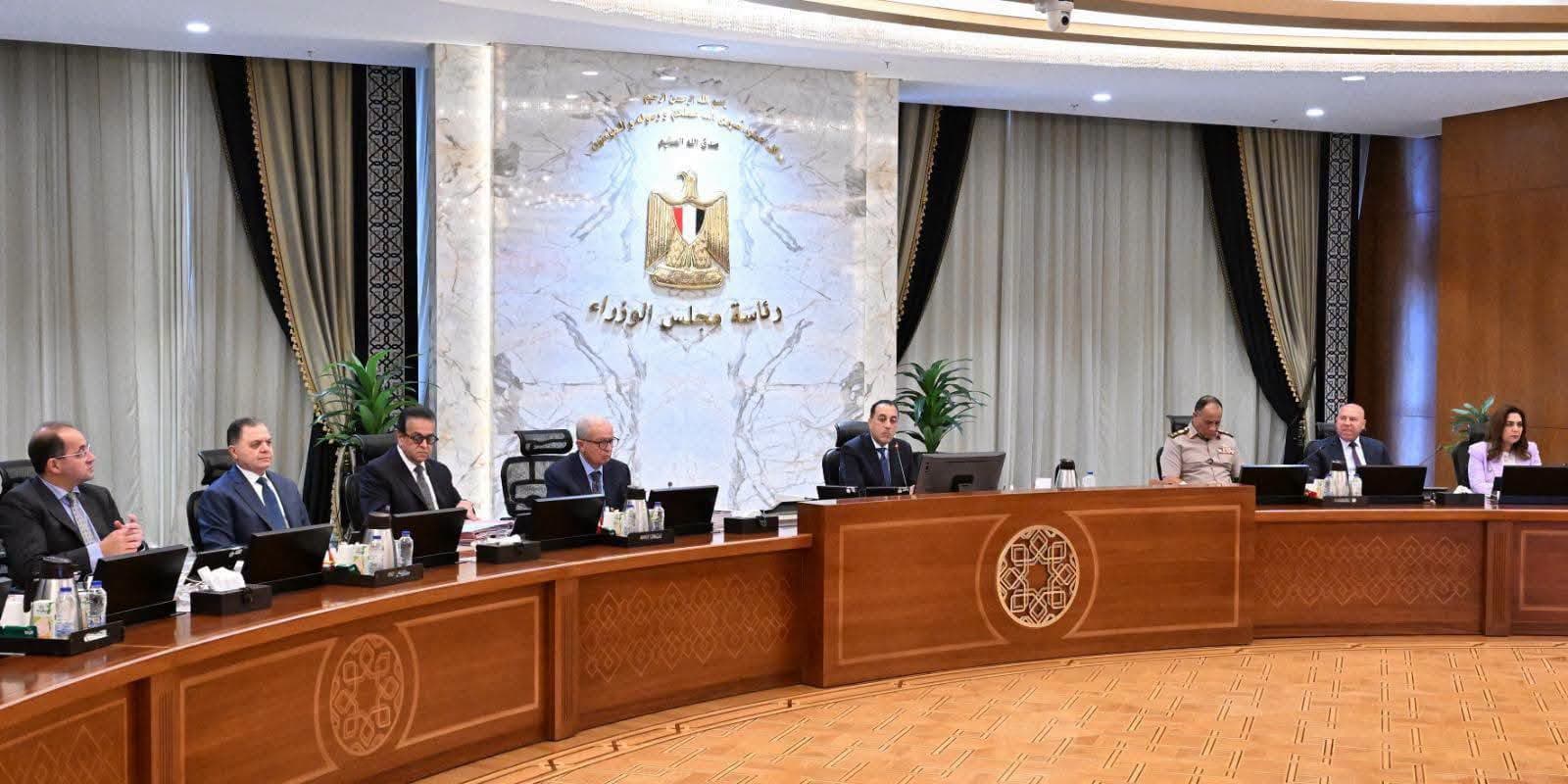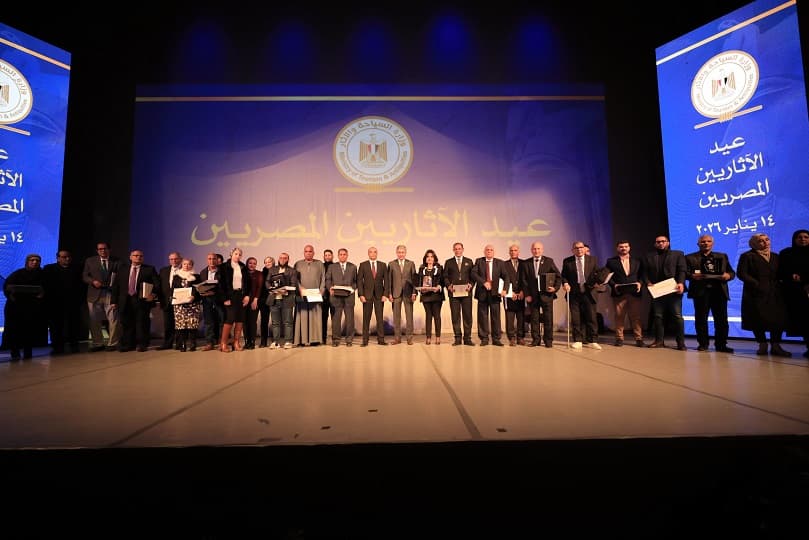
Minister of Tourism and Antiquities Sherif Fathy attended celebrations yesterday evening marking the 19th Egyptian Archaeologists’ Day, observed annually on January 14 in recognition of archaeologists’ contribution to protecting Egypt’s monuments and cultural heritage.
Participants included MP Sahar Talaat Mostafa, chair of the House of Representatives’ Tourism and Civil Aviation Committee; Supreme Council of Antiquities Secretary-General Dr Mohamed Ismail; Grand Egyptian Museum CEO Dr Ahmed Ghoneim; National Museum of Egyptian Civilization Authority CEO Dr El-Tayeb Abbas; and Dr Hisham El-Leithy, head of the council’s Antiquities Conservation and Registration Sector. Other council sector heads, ministerial assistants, ministry and council officials and directors of foreign archaeological institutes also attended.
Fathy welcomed attendees, particularly the archaeologists taking part, and expressed hope for further progress and achievements in the coming year. He thanked Dr Mohamed El-Kahlawi, president of the Arab Archaeologists Union, for supporting archaeological work and regional cooperation.
The minister said developing the ministry’s workforce and that of its affiliated bodies is a top priority. He emphasised skills beyond specialised archaeology, including languages, project management and institutional communication. He highlighted teamwork among relevant bodies and committees, and an upcoming archaeological conference organised through the Supreme Council of Antiquities. The event will bring together council specialists and university academics to exchange practical and scientific expertise and improve archaeological methods.

Fathy said the council has delivered numerous major archaeological projects in recent years, but supporting financial and administrative systems also need improvement. Initiatives include consolidating accounting units into a single unit to improve financial management and the wider tourism and antiquities system.
He explained that the ministry is completing and developing organisational structures and updating regulations at ministry headquarters and the council to provide greater institutional flexibility. Work will be completed as quickly as possible in coordination with relevant state bodies, particularly the Ministry of Finance, the Central Agency for Organization and Administration and joint committees. He stressed the need for a clear future vision and a fair, transparent system that promotes institutional equity and governance.
He also highlighted efforts to improve archaeological storage facilities nationwide and strengthen procedures for artefacts held in individual staff members’ custody, ensuring collections are protected to the highest professional standards.
In his address, Ismail described Archaeologists’ Day as a tribute to those who have devoted their lives to safeguarding 7,000 years of heritage. Their work, he said, extends beyond excavation and restoration to an ongoing journey of discovery that reshapes understanding of the present and future through the greatness of the past.

Reviewing 2025, he highlighted the discovery of King Thutmose II’s tomb in Luxor, selected by specialist publications as one of the year’s most important discoveries for its rare insights into the 18th Dynasty. Major finds in Saqqara and Giza included a chief physician’s mastaba, reflecting scientific advances, and remains of King Nyuserre’s sun temple, broadening understanding of Old Kingdom solar worship. In Sohag, a complete Byzantine monastic complex shed light on religious and spiritual life in medieval Egypt, underscoring the continuity of Egyptian civilisation.
Restoration achievements included completing the restoration and reassembly of two colossal statues of Amenhotep III in their original positions at his temple on Luxor’s West Bank. Work began on restoring, dismantling and reassembling the Ramesseum’s first pylon with the Korea National University of Cultural Heritage. Restoration of Karnak’s ninth pylon continued with the Franco-Egyptian centre. Structural improvements and updated displays were carried out at museums including the Egyptian Museum in Tahrir, the Elephantine Museum in Aswan, Ismailia, New Valley, Manial Palace and Cairo International Airport museums, and the Luxor Museum’s cachette hall. The Akhenaten Museum in Minya is also nearing completion.
Museums organised 38 staff training courses and temporary exhibitions at 31 museums across 18 governorates.
Ismail also reviewed record attendance at overseas exhibitions. “Treasures of the Pharaohs” in Rome attracted around 120,000 visitors since opening in October; “Ancient Egypt Unveiled: Treasures from Egyptian Museums” in Hong Kong welcomed approximately 90,000 since November; and “Ramses and the Gold of the Pharaohs” in Tokyo recorded around 450,000 since March. Further overseas exhibitions are planned in Europe, Asia and America in 2026.

On staff welfare, Ismail said more than 9,000 council employees had been promoted within available resources. An incentive allowance and a 5% bonus were approved for more than 5,000 workers from July 1, 2025. Incentive payments for staff responsible for archaeological collections and sealed holdings were increased according to their categories, along with daily wages for excavation workers, particularly in remote areas.
He thanked the minister for his support and the special bonus provided to council staff, reaffirming the commitment to keeping Egypt a beacon of learning and a destination for those seeking the origins of civilisation and creativity.
The ceremony honoured archaeologists and conservators who made notable contributions in 2025 and announced the winners of the Zahi Hawass Award for Antiquities and Heritage for best archaeologist and conservator.

An artistic programme followed, featuring the Arab Music Ensemble led by maestro Mohamed El-Mougy performing a selection of celebrated Egyptian songs.
The ministry celebrates Archaeologists’ Day on January 14, commemorating the appointment of Dr Mostafa Amer as the first Egyptian head of the Antiquities Service, a role previously reserved for foreigners. The milestone marked a new era of national leadership in archaeology.