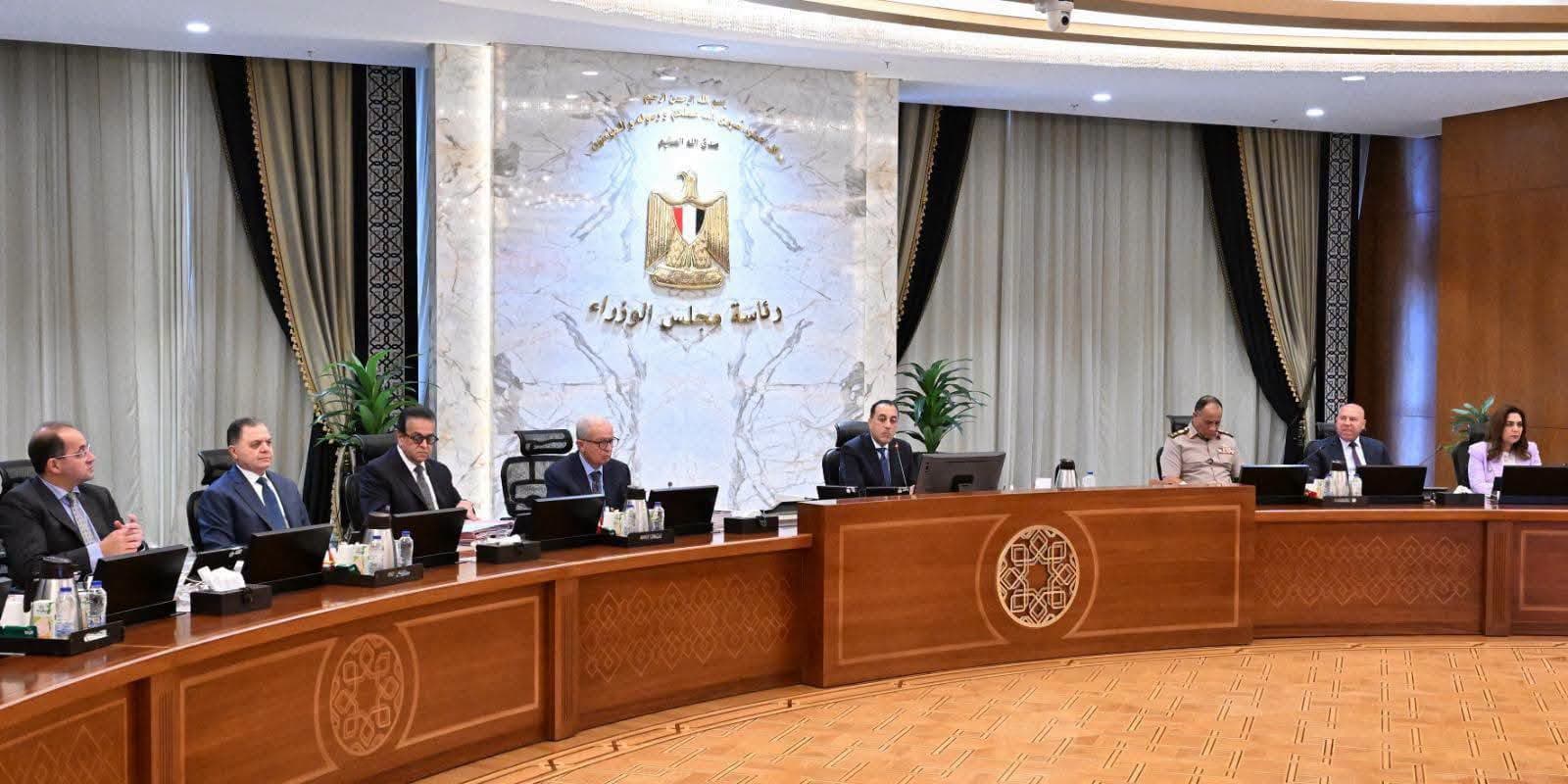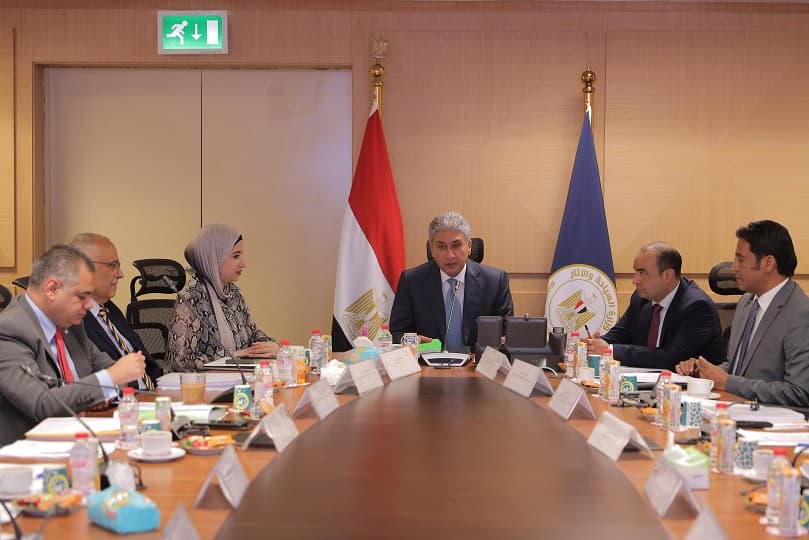
Sherif Fathy, Minister of Tourism and Antiquities, chaired a meeting of the Board of Directors of the Supreme Council of Antiquities, which reviewed the council's financial position for July 2025, the first month of the current 2025-2026 fiscal year.
Dr. Mohamed Ismail Khaled, Secretary General of the Supreme Council of Antiquities, reviewed the most notable achievements made in July across the council's various sectors, which included the announcement of a number of important archaeological discoveries and the completion of restoration work and the opening of a number of archaeological sites to visitors, including the domes of Yahya al-Shabihi in the Khalifa area and Safi al-Din Gawhar in the Imam al-Shafi'i area. Restoration work at the Monastery of Baramous in Wadi El Natrun has also reached about 90% completion, alongside notable progress in the restoration and the chemical and mechanical cleaning of the stone blocks in the Great Hypostyle Hall of the Temple of Hibis in the New Valley and in the longitudinal hall of tomb TT109 in Luxor, both of which have reached 90% completion.
He also shed light on temporary Egyptian exhibitions abroad, announcing that the run of the "Ramses and the Gold of the Pharaohs" exhibition in the Japanese capital, Tokyo, has been extended until January 2026, after it had been scheduled to end in September 2025.
The Secretary General pointed to progress in archaeological documentation projects, the digitization of the council's publications and the republication of the bulletins of the Committee for the Conservation of Arab Monuments, in addition to reviewing efforts to recover artifacts that left Egypt illegally, most recently the coffin and wooden beard recovered from Belgium.
During the meeting, the board approved a number of important items, most notably a draft joint statement between the Ministry of Tourism and Antiquities, represented by the Supreme Council of Antiquities, and the National Cultural Heritage Administration of the People's Republic of China on cooperation within the framework of the Asian Initiative for Cultural Heritage Conservation, with the aim of enhancing cooperation in the fields of antiquities restoration, underwater cultural heritage preservation, museums, scientific research and organizing temporary exhibitions, as well as efforts to combat illicit trafficking in cultural property and build a cooperation network for its recovery and preservation.
It also approved a joint cooperation agreement between the Egyptian and Chinese sides to strengthen the long-term strategic partnership in nominating and managing World Cultural Heritage sites, by supporting conservation projects, preparing management plans, digitizing heritage, the green transformation of museums, and exchanging expertise in conservation, restoration and management.
The board also approved the memorandum of understanding between the Supreme Council of Antiquities and the British Museum in the field of museums, covering the organization of temporary exhibitions, research projects, educational and training programs, workshops and the restoration of artifacts. It also gave initial approval to a draft contract with a technology company to offer visitors an interactive experience through a "drawing on papyrus" service using a smart robot at a number of archaeological sites, including the Luxor and Karnak temples and the Valley of the Kings in Luxor, following the approval of the Permanent Committee of Egyptian Antiquities, helping to connect visitors of all ages with museums and archaeological sites by offering them a number of cultural and entertainment activities.
A number of recommendations by the evaluation and negotiation committee on operating services at several archaeological sites and museums were also approved, ensuring compliance with the applicable legal and regulatory rules. A number of donations were also accepted, including 5 air purification devices inside the Pyramid of Khufu, as part of efforts to improve the visitor experience at museums and archaeological sites.
At the end of the meeting, a set of decisions by the Permanent Committees for Egyptian and Islamic Antiquities was approved concerning the registration of new artifacts resulting from excavation work, the regulation of the work of archaeological missions, and the completion of restoration work on the complex of Sultan al-Ashraf Qaitbay, including the mosque, the madrasa and the waterwheel located in the Mamluk Desert.