By Akram Medhat
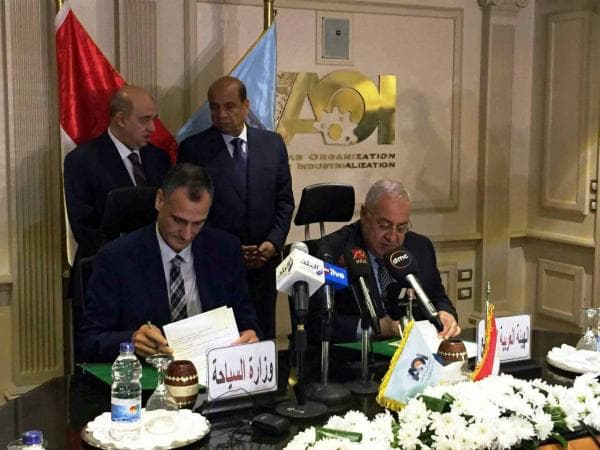
The Ministry of Tourism and the Arab Organization for Industrialization have signed a cooperation protocol to build a dome-shaped architectural icon to host visitors to the Holy Family trail in the monasteries area of Wadi El Natrun.
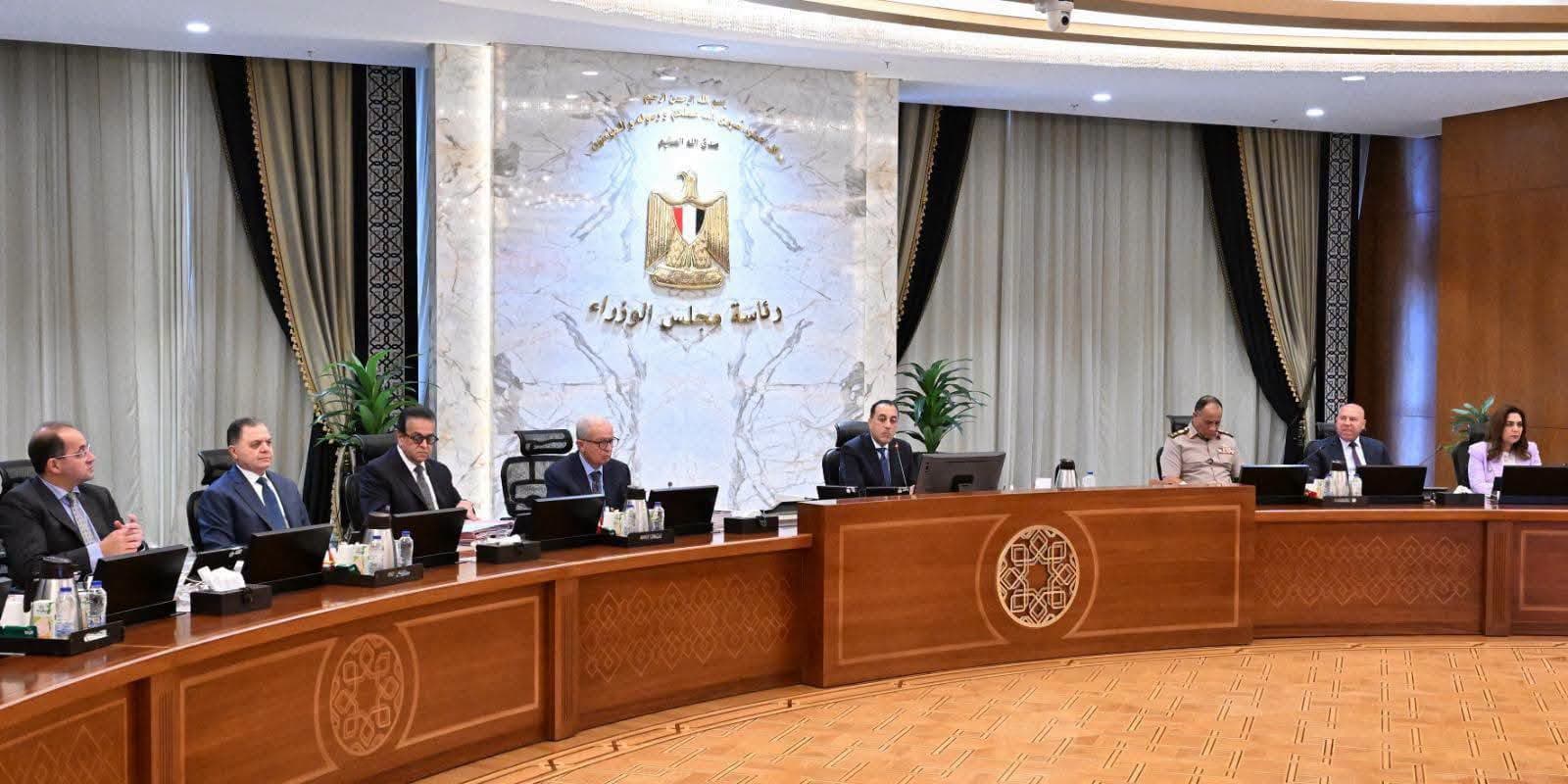
The signing was witnessed by Yehia Rashed, Minister of Tourism, and Lt. Gen. Abdel Aziz Seif El-Din, Chairman of the Arab Organization for Industrialization. Hamdy Sobhy, First Undersecretary of the ministry and Secretary General of the Tourism Fund, signed on behalf of the Ministry of Tourism, and Maj. Gen. Mahmoud Zaghloul, the general manager, signed on behalf of the organization.
Under the protocol, it was agreed that the Arab Organization for Industrialization will supply and erect the architectural icon to serve as a center for receiving pilgrims visiting the Holy Family trail in Wadi El Natrun, with this set for the first of next January.
In this context, Yehia Rashed affirmed that this protocol complements efforts to develop the Holy Family trail inside Egypt, pointing out that what was achieved with the Vatican Pope's approval of the Holy Family's journey to Egypt confirms that it is a holy land deserving of this important religious status, which will bring great benefit to Egyptian tourism, especially with the demand this product will see from all countries of the world. He noted that work is currently under way to develop and upgrade the infrastructure of the areas the trail passes through, which will help showcase Egypt's civilized image.
For his part, Lt. Gen. Abdel Aziz Seif El-Din, Chairman of the Arab Organization for Industrialization, affirmed that this protocol contributes to reviving the Holy Family trail, benefiting Egyptian tourism and national income, adding that the organization will make every effort to complete and implement this project on schedule.
It is worth noting that the Wadi El Natrun area includes the Monastery of St. Bishoy, the Monastery of the Syrians and the Monastery of Baramous, which are among the important places the Holy Family passed through on its journey to Egypt.