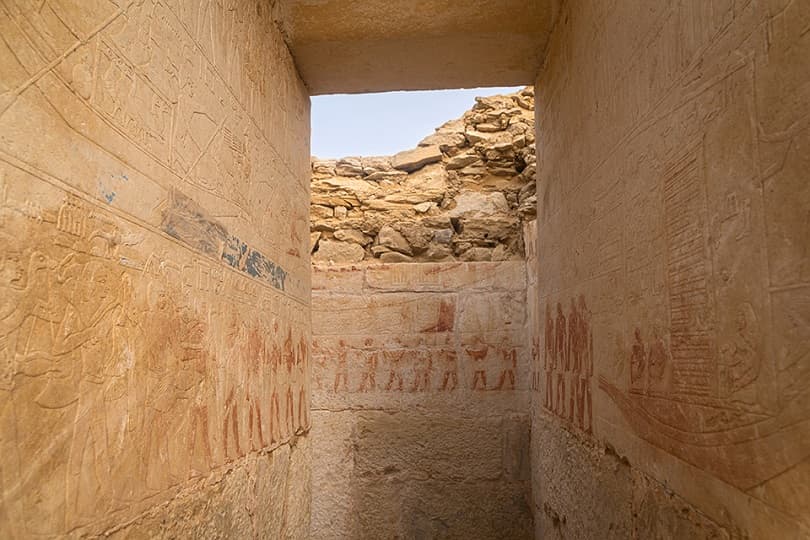
The joint Spanish-Egyptian archaeological mission working at the Saqqara archaeological site has uncovered a tomb dating to the late Fifth Dynasty, specifically the reign of King Djedkare Isesi, during its 2026 excavation season in the area known as the "Mariette Necropolis" in north Saqqara.
The discovered tomb is a medium-sized mastaba with two funerary chapels. One belongs to a man named Iunmin, who held a number of senior posts, including judge, director of the court and chief of the scribes responsible for reviewing petitions and complaints, while the second chapel belongs to his father, Iti, who held scribal posts linked to the administration of agricultural land and offerings.
The mission works within a joint scientific project between the Autonomous University of Barcelona in Spain and the Supreme Council of Antiquities, continuing excavation and archaeological research in the area north of Saqqara.
Dr. Hisham El-Leithy, Secretary-General of the Supreme Council of Antiquities, stressed the importance of the discovery, as it adds new archaeological information about the Saqqara necropolis in the late Fifth Dynasty and sheds more light on the nature of the tombs and their architectural and artistic styles, as well as the administrative posts held by senior state officials during this period of ancient Egyptian history.
He added that the location of the mastaba had been known since the excavations of French archaeologist Auguste Mariette in the nineteenth century, but it had never before been excavated and documented according to a comprehensive scientific method, which gives the mission's work and the new discovery particular importance.
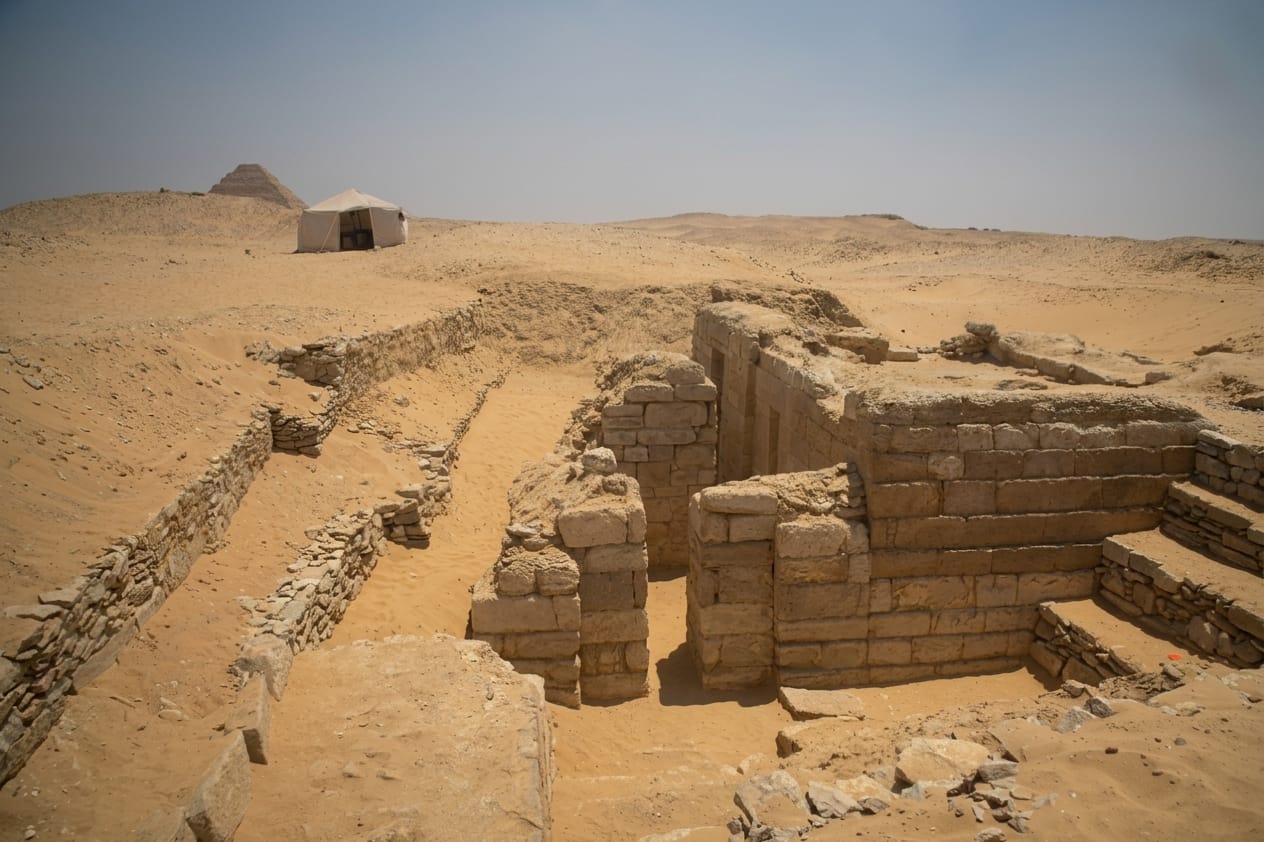
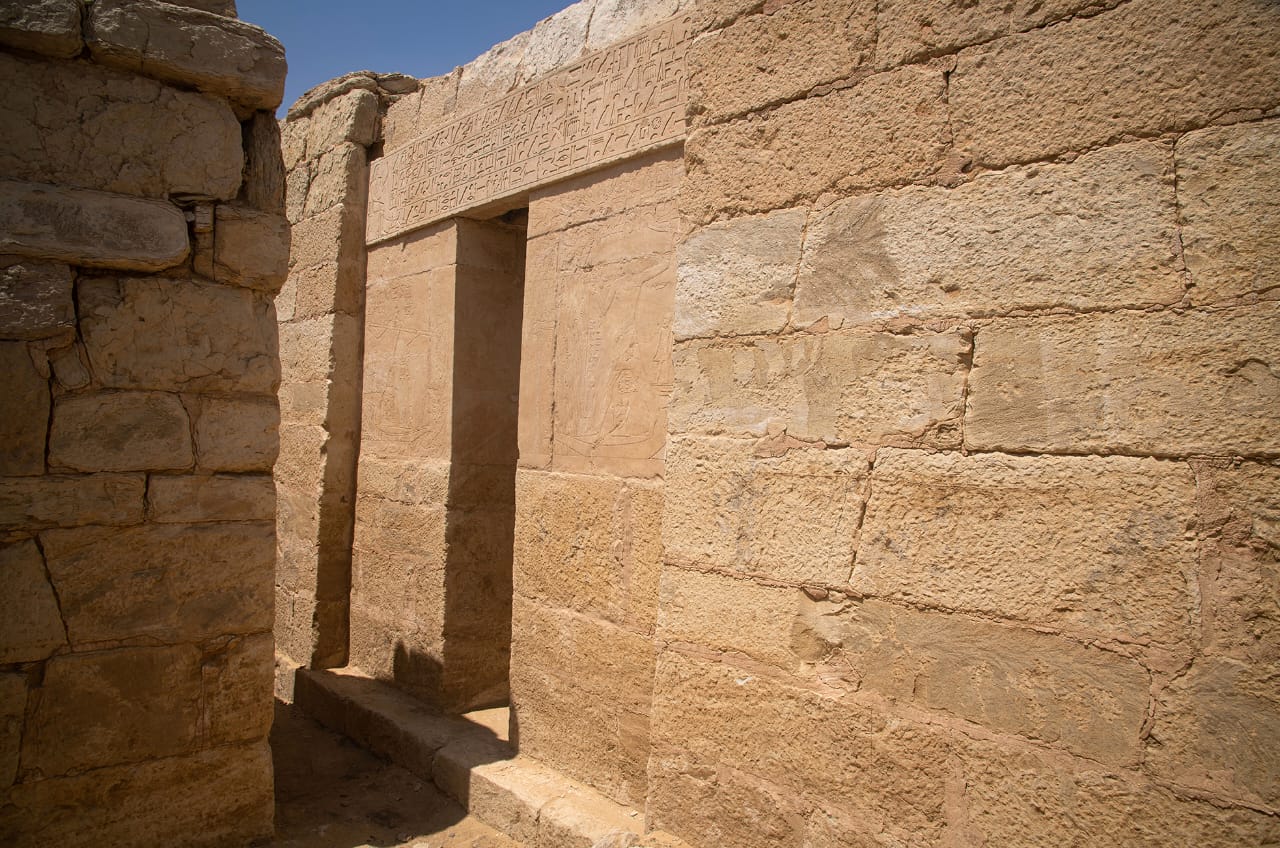
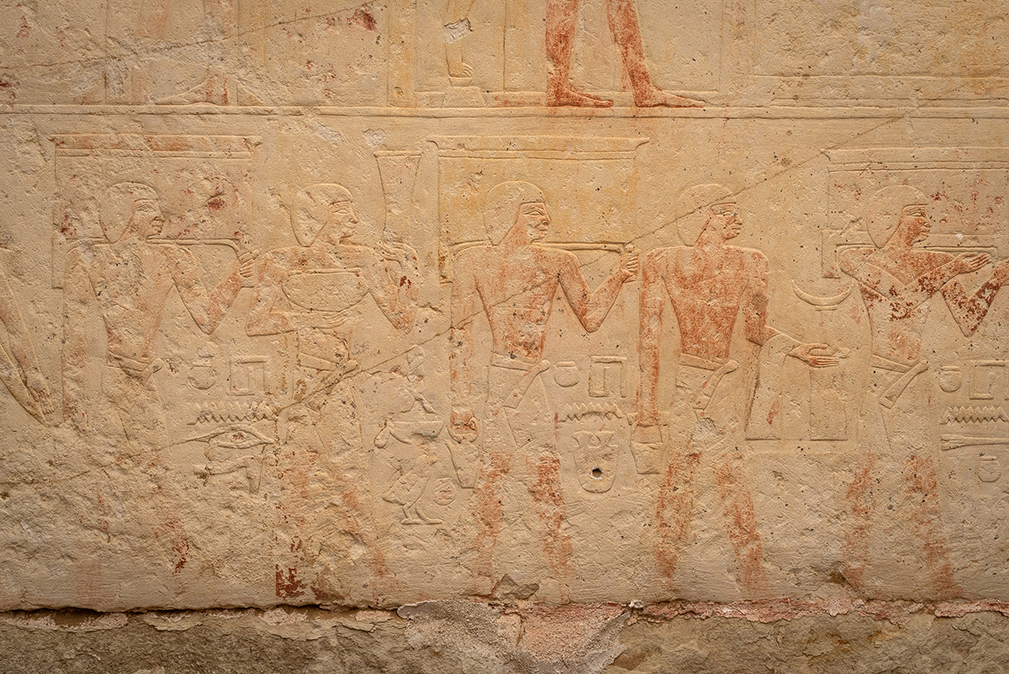
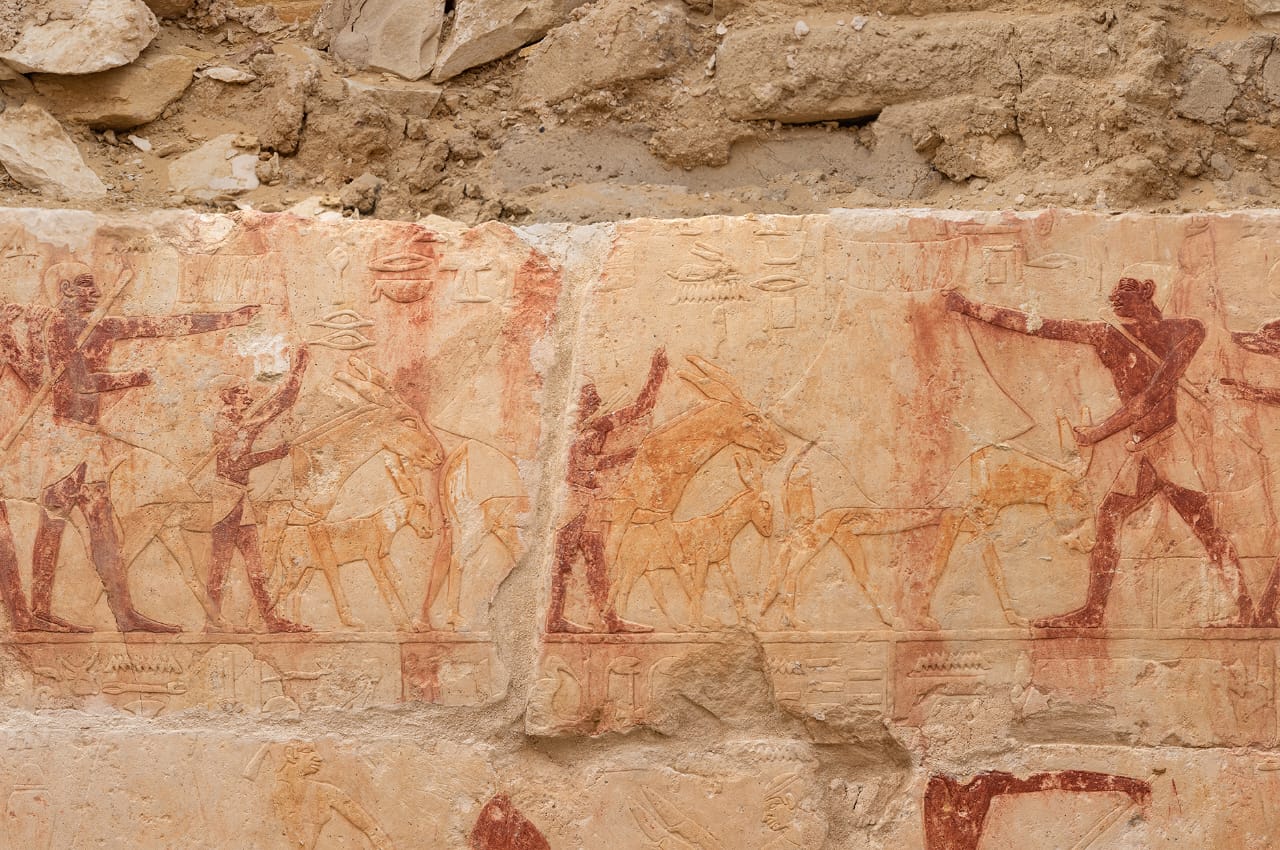
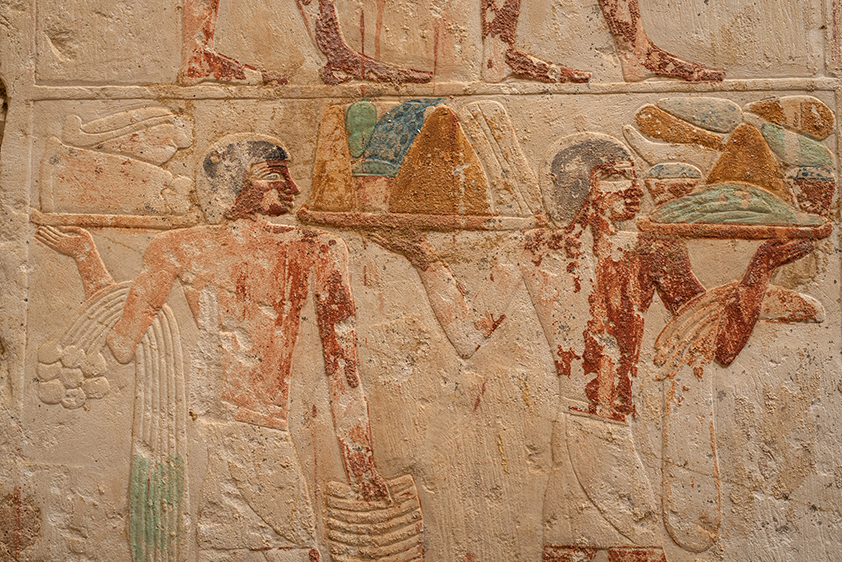
Dr. Josep Cervelló Autuori, head of the mission from the Autonomous University of Barcelona, explained that the tomb has two funerary chapels opening onto the eastern wall of the mastaba, with the main chapel, belonging to Iunmin, on the northern side.
Dr. Josep Cervelló Autuori, head of the mission from the University of Barcelona, said excavations inside revealed a distinctive architectural facade bearing funerary texts and an offering formula, along with a depiction of the tomb owner in formal pose. The chapel's walls are decorated with high-quality raised reliefs depicting a number of agricultural activities and processions carrying offerings to the tomb, many of which retain their original colors, reflecting the outstanding artistic level of the period's artists. The southern chapel belongs to Iti, Iunmin's father, and contains a false door and colored wall decorations depicting offering scenes, although much of this decoration has been lost.
Dr. Amr El-Tiebi, Director General of the Saqqara archaeological site, said the mission has completed the excavation and full scientific documentation of the two chapels, as well as a comprehensive program of maintenance, restoration and conservation of the architectural and decorative elements discovered, ensuring they are preserved for future generations.