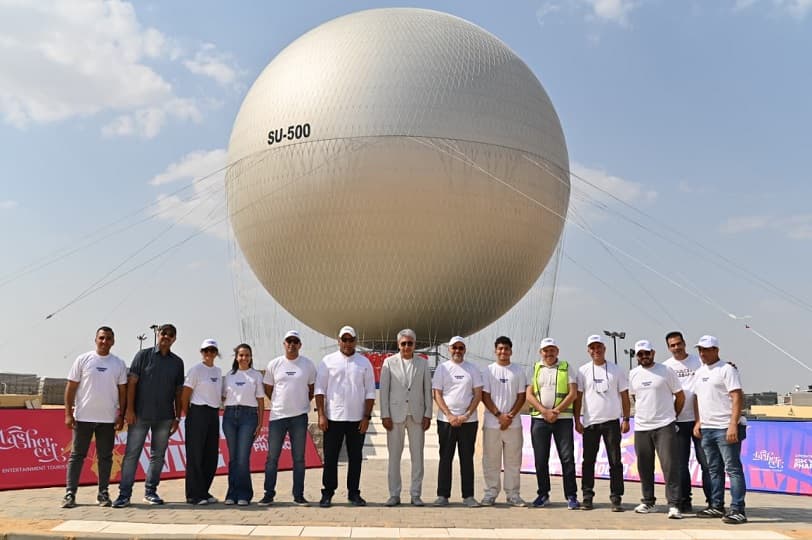
The project is a new addition enriching the tourism experience at the archaeological site
Safety, security and environmental sustainability standards are followed, preserving the site's archaeological character and unique visual identity
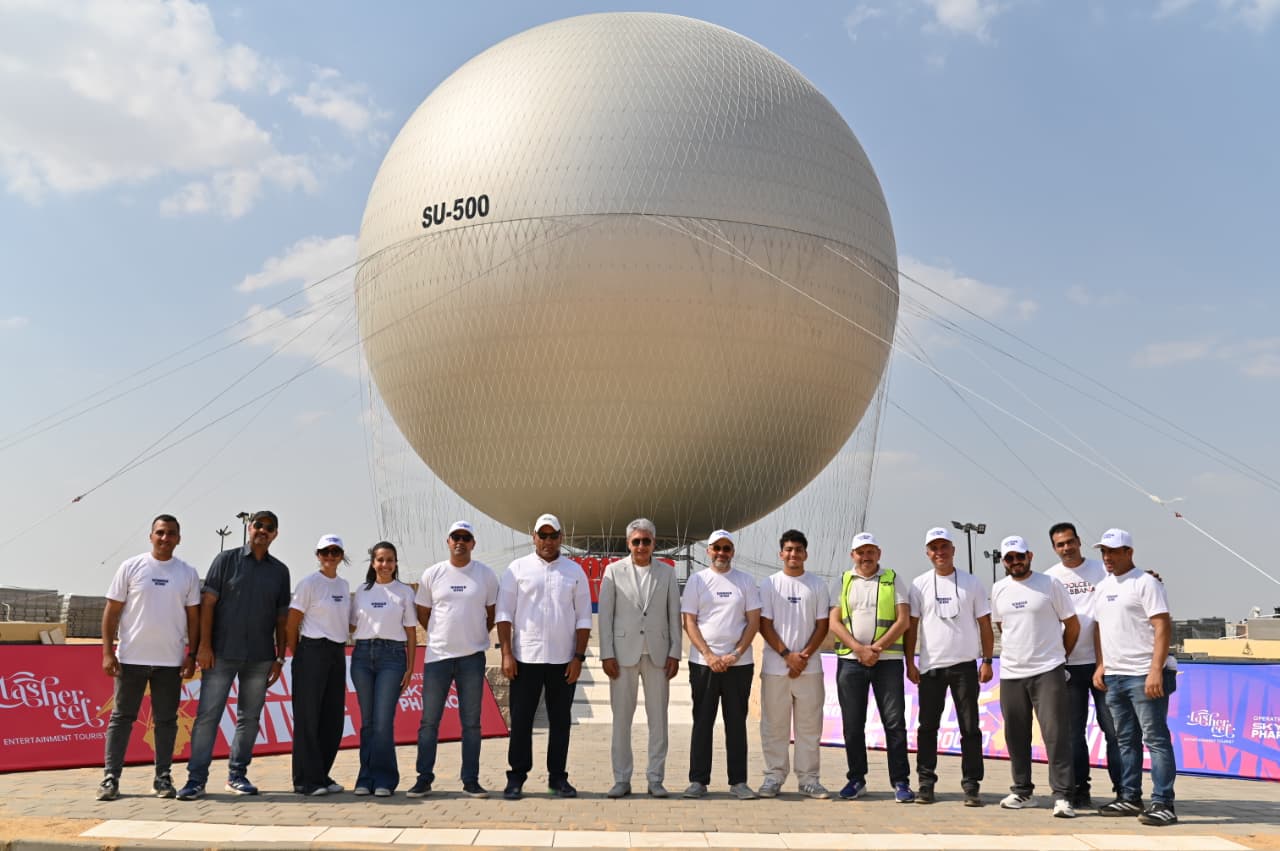
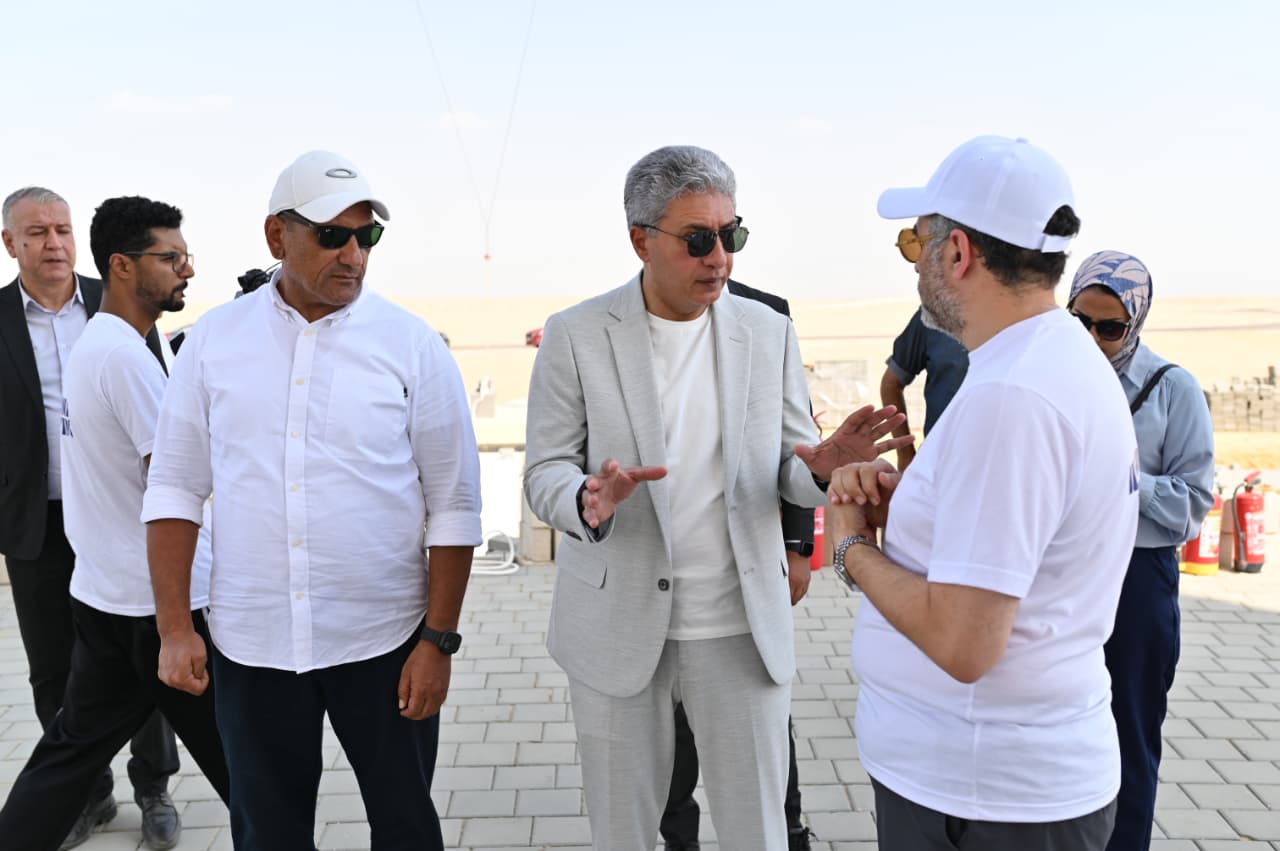
Egypt's Minister of Tourism and Antiquities Sherif Fathy today toured the Giza Pyramids area to follow up on the implementation and various work stages of the tethered balloon project being carried out there by Tashreef for Tourism Marketing in cooperation with the specialized French company Aerophile, which is executing the project, ahead of the start of its trial operation.
The project will be the first of its kind around the site and one of the new leisure activities offered to visitors and tourists. The minister was accompanied on the tour by Ashraf Mohie El Din, Director General of Giza Antiquities; Mohamed Kamel, Chairman and Managing Director of Tashreef for Tourism Marketing; and Eric Bachelier, Project Manager at Aerophile.
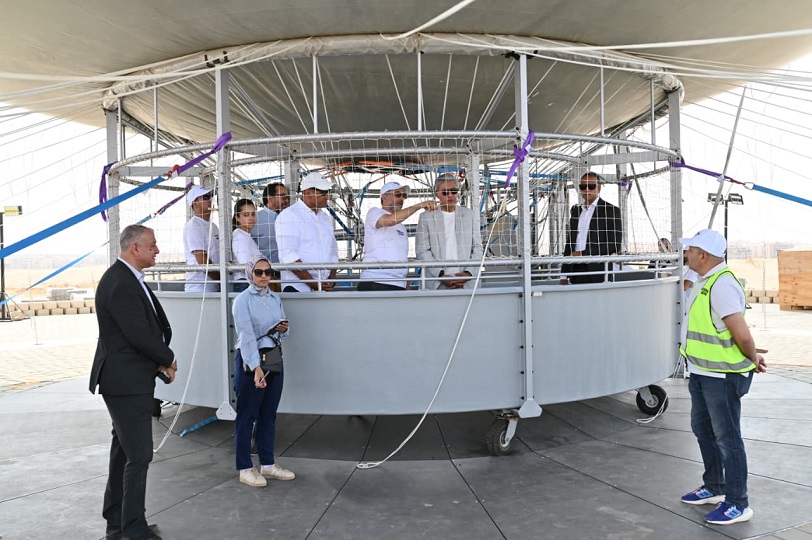
During the tour, the minister reviewed the project's components and latest progress, and was given a detailed explanation of the balloon's technical specifications and operating mechanisms, the controls in place to ensure the highest levels of safety, security and environmental sustainability, and the measures taken to preserve the exceptional value, archaeological character and unique visual identity of the Giza Pyramids area in line with approved international standards.
Fathy said the project is a new addition to the leisure activities offered to visitors and tourists in the area, helping to enrich their experience at one of the most important archaeological and tourist sites in the world. He noted that the project will offer visitors a unique experience, allowing them to see the Giza Pyramids area, its landmarks and surroundings from a different perspective.
He added that this is part of the ministry's commitment to developing the tourism experience offered to visitors in Egypt in general and at the Giza Pyramids in particular, by creating and adding new tourism experiences and products alongside the usual leisure activities for tourists.
The tourism minister stressed that ensuring the highest standards of safety, security and environmental sustainability, and preserving the archaeological character and unique visual identity of the area, are top priorities in implementing the project, and expressed his hope to try the balloon during the project's trial operation as soon as possible.
For his part, Eric Bachelier expressed his pride in the project, set in this enchanting location next to the Giza Pyramids, expressing his delight with the experience and the joint work with the Egyptian side, thanking the minister for his continued support and affirming continued joint work to complete the project.
He noted that all necessary scientific methods were followed throughout the project's stages from the outset, explaining that all project facilities were built using lightweight structures and prefabricated above-ground components that can be dismantled and reassembled, with no underground excavation or concrete construction touching the soil, ensuring no harm to the archaeological site or its surroundings.
Details of the Pyramids balloon project
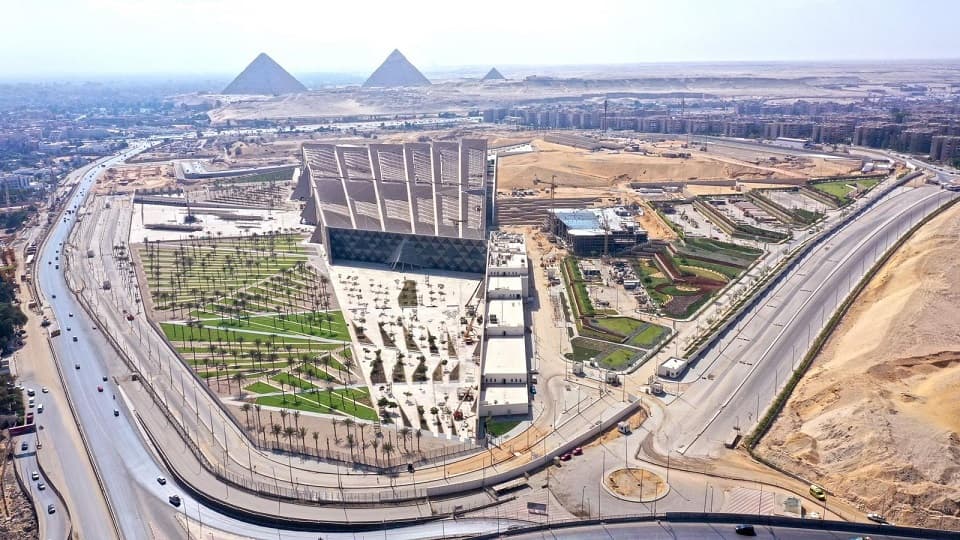
He stressed that the project was set up in the desert area outside the immediate archaeological boundaries, at a suitable distance to ensure it does not affect the exceptional visual landscape of the pyramids: around 2 km from the pyramids and 2.2 km from the Sphinx. The balloon is tethered to the ground and will move vertically up and down, and the technology used is based on the highest standards of safety, security and sustainability.
The balloon is set to rise to 150 meters above the ground in a new experience lasting around 15 minutes, giving visitors a distinctive panoramic view of the area. During the ride, visitors and tourists will receive commentary prepared under the supervision of the ministry, represented by the Supreme Council of Antiquities, about the area and its most prominent landmarks, delivered through dedicated glasses and headphones in 12 different languages, allowing each visitor to choose their preferred language.