Sherif Fathy says improving ministry employees’ working conditions is a top priority within available resources.
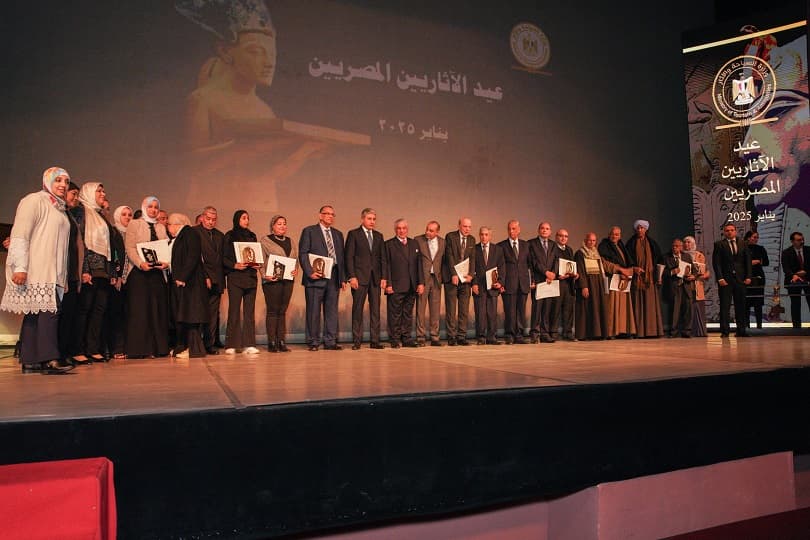
The Tourism and Antiquities Ministry celebrated Egyptian Archaeologists’ Day with an evening at Cairo Opera House’s Main Hall. Minister Sherif Fathy welcomed former ministers Khaled El-Enany, candidate for UNESCO Director-General; Zahi Hawass; and Mamdouh El-Damaty; committee chairman Mahmoud Mosallam; ministry leaders; Egyptian and foreign academics; directors of foreign archaeological institutes in Cairo; and archaeologists and other guests. Attending the celebration for the first time since becoming minister, he congratulated archaeologists and conservators and praised their dedication to preserving Egypt’s heritage and history.
Fathy said improving employees’ working conditions is a priority, with efforts made within available resources. Measures had already been taken during the year, with further improvements expected soon.
He discussed developments in tourism and its close relationship with antiquities, saying Egypt could not have welcomed 15.750 million tourists in 2024 without its exceptional heritage, a major component of cultural tourism.
He attributed the achievement to state support for tourism and antiquities and the political leadership’s role in maintaining stability, which encouraged visits.
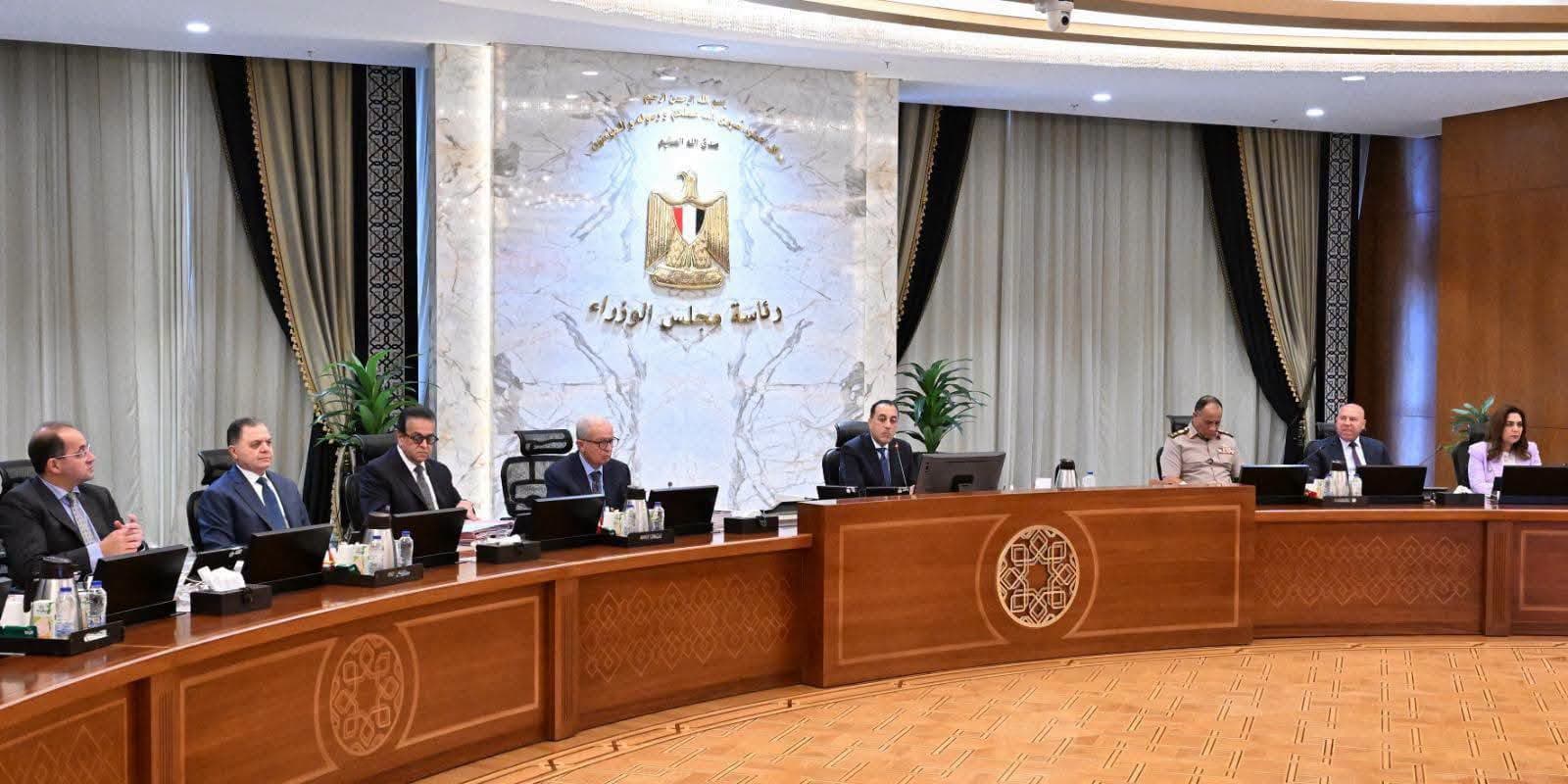
He praised the prime minister and ministerial committee’s support for tourism investment, reduced bureaucracy and better coordination among ministries.
He also credited ministry employees, the private tourism sector and former ministers for their sustained efforts.
Improving visitors’ experiences, especially at archaeological sites, remains a priority. Fathy highlighted upgraded services at the Giza Pyramids and announced that February would see completion of these improvements to provide a distinctive visitor experience.
He referred to technology services introduced under the ministry’s digital transformation strategy, including augmented reality for selected artifacts at the Egyptian Museum in Tahrir and National Museum of Egyptian Civilization. More services using modern technology will follow.
The minister welcomed discoveries across Egypt, including the recent findings by the Egyptian mission led by Zahi Hawass in Luxor. He expressed confidence in Egyptian archaeologists’ ability to uncover more from the country’s many historical periods.
On repatriation, Fathy stressed Egypt’s determination to recover antiquities removed illegally, noting successful returns in recent months.
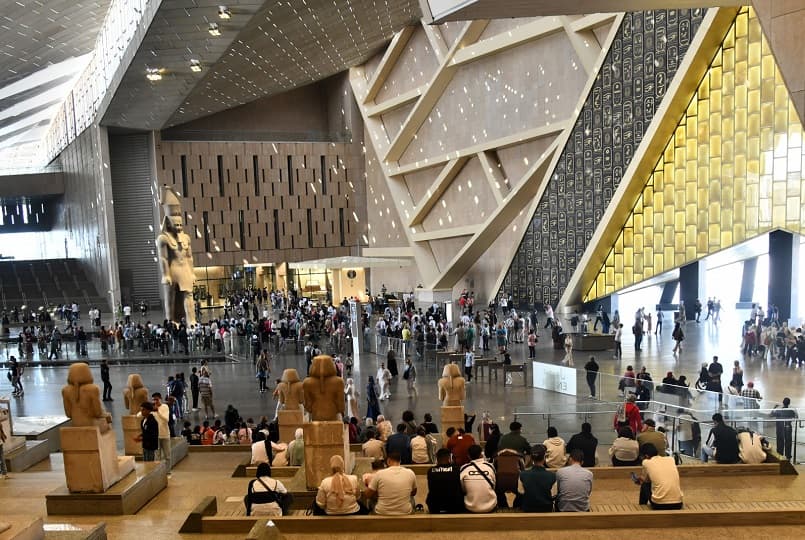
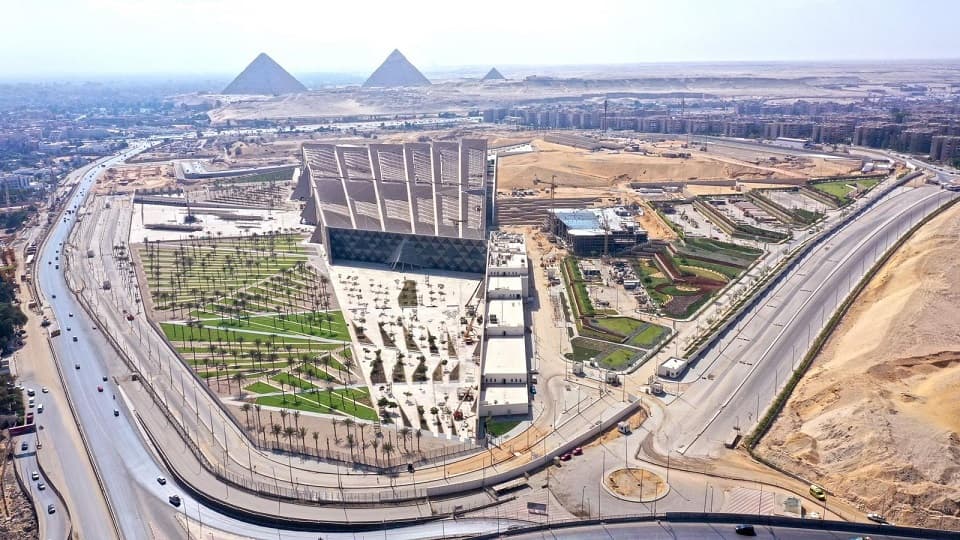
He described the Grand Egyptian Museum as a major source of pride and highlighted state support and ongoing preparations for its official opening.
Fathy honored Supreme Council of Antiquities professionals, including archaeologists, conservators, engineers, administrators, excavation workers and guards, as well as university archaeology professors.
He also gave special recognition to former minister Khaled El-Enany for his work leading the Antiquities Ministry and subsequently the Tourism and Antiquities Ministry.
Secretary-General Mohamed Ismail reviewed the council’s achievements over the past year: important discoveries, conservation work, museums and storage facilities, electronic registration of artifacts, improved visitor services, electronic ticket booking and digital gates at museums and archaeological sites nationwide.
He said the council is working within available funding to improve employees’ professional and financial conditions and resolve outstanding issues, describing staff as the cornerstone of its archaeological achievements.
He reviewed administrative reforms, including partial implementation of the organizational structure, work toward full implementation and leadership recruitment. More than 5,000 employees were promoted, over 3,000 received incentive increments and more than 2,000 were approved for a 5% incentive.
The council is also expanding staff members’ practical and international experience. Archaeologists and conservators have accompanied overseas exhibitions. Interviews were being conducted for more than 950 Islamic antiquities archaeologists, with Egyptian antiquities staff to follow in coming weeks. Results would be announced after completion.
Allowances for accompanying foreign missions were increased, and daily pay for workers employed on a work-for-pay basis was raised to match comparable staff on established salary grades.
Ismail added that the Central Agency for Organization and Administration had approved changing the contractual status of temporary council employees funded under Chapter Six and work-for-pay arrangements to Chapter One wages, as a step toward permanent budgeted posts.
He also noted the minister’s decision to establish a committee with Finance Ministry representatives to examine council employees’ financial entitlements.
Zahi Hawass spoke about workforce training efforts since becoming the council’s secretary-general in 2002 and his proposal to designate January 14 as Archaeologists’ Day. He encouraged archaeologists to celebrate their role in discoveries, restoration and preserving Egypt’s heritage.
He said the Zahi Hawass Award had increased in value this year and would rise again next year, expanding recognition to a guard, excavation worker or restoration worker alongside two archaeologists and a conservator. The Zahi Hawass Foundation for Antiquities and Heritage will support the award annually on Archaeologists’ Day.
Following the honors, an Arab Music Ensemble performed a selection of well-known Egyptian songs.


Attendees included Deputy Minister Yomna El-Bahar; Grand Egyptian Museum Chief Executive Officer Ahmed Ghoneim; National Museum of Egyptian Civilization Authority Chief Executive Officer El-Tayeb Abbas and Deputy Chief Executive Officer Nashwa Gaber; Assistant Minister and Permanent Undersecretary Ahmed Obeid; international relations adviser Ambassador Khaled Tharwat; department head Mohamed Amer; sector heads Gamal Mostafa, Hisham El-Leithy and Mohamed Abdel Badie; parliamentary affairs director Elham Fouda; and former council secretary-general Mostafa Waziri.
About Egyptian Archaeologists’ Day
The ministry marks the occasion every January 14, the date in 1953 when Mostafa Amer became the first Egyptian head of the Antiquities Service, previously led exclusively by foreigners.
Celebrations began in 2007 to recognize people whose contributions advanced archaeological work. Honorees include archaeologists, conservators, engineers, administrators, workers and guards.
Since 2018, the Zahi Hawass Center for Egyptology has awarded a cash prize bearing the former antiquities minister’s name to outstanding council archaeologists and a conservator, usually during the annual celebration.
This year’s honorees
Sabry Abdel Aziz, former head of the Egyptian Antiquities Sector.
Adel Abdel Sattar, former council secretary-general.
Farag Fadda, former head of the Islamic, Coptic and Jewish Antiquities Sector.
Mohamed Abbas, former Director General of the Museum of Islamic Art.
Yasser El-Azab, former supervisor of the Encroachments Department.
Alaa El-Din Abdel Mohsen Shaheen, former dean of Cairo University’s Faculty of Archaeology and professor of Egyptian and ancient Near Eastern civilization.
Nabil Amin Bassili, foreman in Luxor.
Abdel Rahim Mahmoud Hussein, antiquities guard in Qurna, Luxor.
Kamel Gomaa Mostafa, excavation foreman in the Pyramids area.
Posthumous recognition
Mohamed Hagras, former Director General of Saqqara Antiquities.
Ramadan Badry Hussein, professor of Egyptology at the University of Tübingen, Germany.
Mariam Daniel Boctor, museum curator in the council’s Museums Sector.
Ahmed Maher Mohamed, antiquities guard in the eastern Delta.
Zahi Hawass Award recipients
Shaimaa Magdy Eid Youssef, for excavation, cleaning and conservation of Paser’s tomb TT367 at Sheikh Abd El-Qurna.
Tamer Hassan Mohamed El-Iraqi, for archaeological surveying, documentation and scientific publication of rock inscriptions and drawings in South Sinai.
The team restoring the Uthman Quran manuscript and its case received the best conservation award.