Minister of Tourism and Antiquities: 6 antiquities museums in Egypt apply clean energy practices in their operations
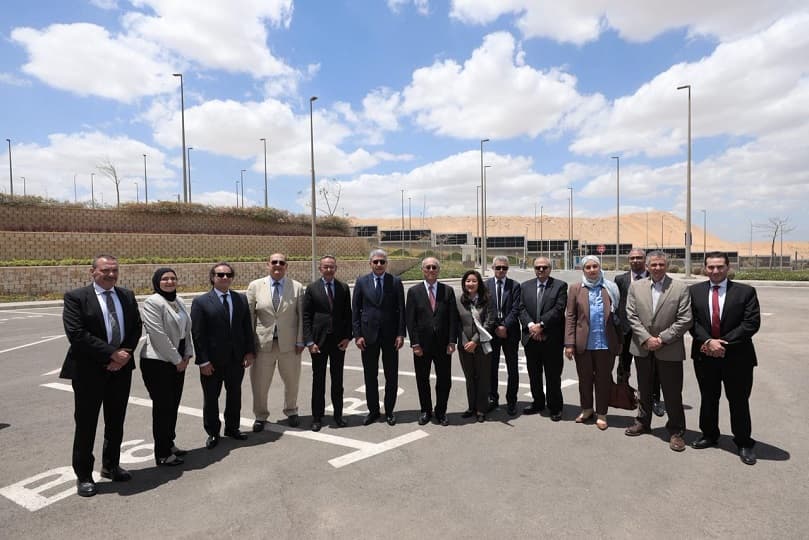
Minister of Tourism and Antiquities Sherif Fathy today inaugurated a solar power plant at the Grand Egyptian Museum. The opening was attended by Chitose Noguchi, Resident Representative of the United Nations Development Programme (UNDP); Dr. Ahmed Ghoneim, CEO of the Grand Egyptian Museum Authority; Ambassador Fumio Iwai, Ambassador of Japan in Cairo; Eng. Sherif Abdel Rahim, Head of the Egyptian Environmental Affairs Agency; Eng. Ehab Ismail, Head of the New and Renewable Energy Authority; Hazem Fahmy, Executive Director of the Industrial Modernization Center; and Ambassador Wael El-Naggar, Assistant Foreign Minister for Cultural Relations, along with a number of environment, development and private sector partners involved in implementing the project.
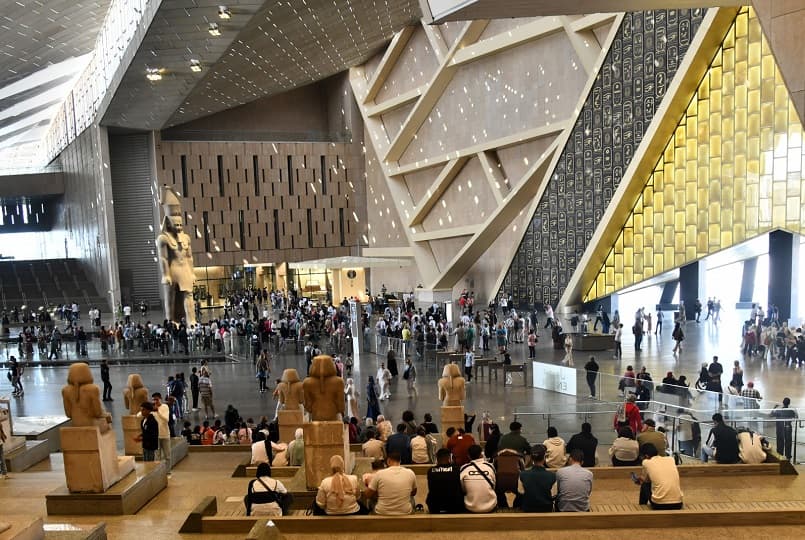
The project also comes as part of the Egyptian state's efforts to increase reliance on renewable energy sources, as the Grand Egyptian Museum is an integrated model combining the preservation of human heritage with the adoption of the latest sustainable environmental practices.
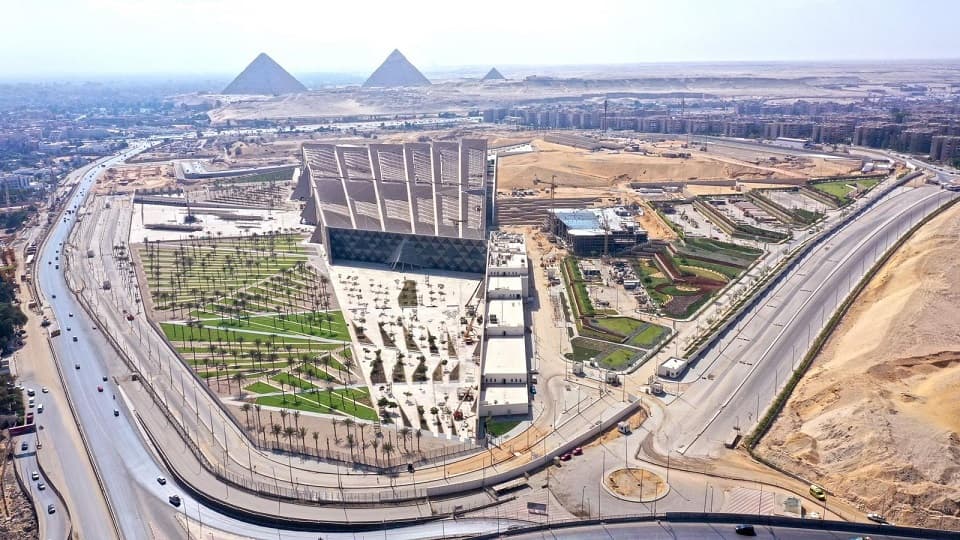
The project includes installing solar panels on the museum's side wall, as well as applying building-integrated photovoltaic technology at the Solar Boats Museum, with a production capacity of 200 kilowatts, with support from the Japanese government and UNDP, helping to cover around 12% of the museum's total electricity consumption. Work is also under way on an additional solar power plant to raise total production capacity to around 1 megawatt, a step that boosts operational efficiency and supports the transition to clean energy.

In his speech, Minister of Tourism and Antiquities Sherif Fathy stressed that the Grand Egyptian Museum is a pioneering model of modern cultural institutions whose mission is not limited to displaying human heritage but extends to adopting environmental sustainability practices, reflecting the Egyptian state's vision for a more sustainable future.
He added that the shift to clean energy in the tourism sector is no longer an option but a necessity to strengthen the competitiveness of the Egyptian destination and keep pace with global trends toward sustainable tourism, noting that 6 museums have applied solar energy systems, while 50% of hotel establishments and diving centers are working to integrate environmental requirements and conservation needs alongside the nature of their work.

The minister noted the ministry's keenness to implement the museum's solar power plant aesthetically, as the panels used in some places take a marble-like form in harmony with the overall look of the museum, noting that this is the first time a solar power plant has been implemented in this way in Egypt.
Concluding his speech, the Minister of Tourism and Antiquities praised the ministries involved in implementing the project, the Japanese government and UNDP, and everyone who contributed from the museum's team and the relevant bodies, commending the fruitful cooperation with development partners to apply the best global environmental practices in Egypt.
For his part, the Ambassador of Japan in Cairo stressed that installing the solar power system at the Grand Egyptian Museum, representing the renewable energy sector, one of the main pillars of economic cooperation between Japan and Egypt, carries very significant meaning.
He explained that the museum, which embodies the depth of friendship between the two countries, reflects through this project a new model of Egyptian-Japanese cooperation toward achieving sustainable development.

The UNDP Resident Representative also explained that this solar plant is a practical model of integrating heritage with innovation to achieve the Sustainable Development Goals, especially in clean energy and climate action, noting that the museum's increase of the solar plant's capacity reflects a commitment to strengthening sustainability and expanding the use of renewable energy sources.

In the same context, Dr. Ahmed Ghoneim stressed that the project is part of a broader vision aimed at turning the museum into a “green museum”, with sustainability concepts extending from design and construction to operation and daily management, through the adoption of sustainable practices that ensure the continued positive impact of this great landmark.
He noted that the museum is preparing an annual carbon footprint report, measuring and monitoring emissions from its various activities, ensuring continuous improvement of environmental performance and strengthening commitment to international sustainability standards.

This project reflects the Grand Egyptian Museum's commitment to its role as a global cultural institution that does not merely display history but also helps shape a more sustainable future, by integrating environmental innovation into its operating system and offering a model for cultural institutions regionally and internationally.
He added that the project's importance goes beyond the museum, sending a clear message that cultural institutions can play a pivotal role in supporting the Sustainable Development Goals, as museums are no longer just places to display heritage but have become platforms for education, awareness and innovation and centers for spreading the values the world needs today, foremost among them sustainability.
In a related context, Eng. Sherif Abdel Rahim, CEO of the Egyptian Environmental Affairs Agency, said the event embodies the Egyptian state's drive toward a future based on sustainability and innovation, noting that the museum is not only a civilizational landmark reflecting the greatness of Egyptian history but also an integrated model combining heritage preservation and environmental protection, reflecting an ambitious vision based on integrating development with the environmental dimension.
He added that the project is not just a renewable energy plant but a pioneering model of culture, environment and development converging on a single path, stressing that the Grand Egyptian Museum has become a platform for applying the best environmental practices, qualifying it to be the first eco-friendly “green” museum in Africa and the Middle East.
He noted that the project is in line with Egypt Vision 2030, which places the environmental dimension at the heart of development and strengthens the shift toward a green economy and resilience to the effects of climate change, and also strengthens Egypt's commitment to its international pledges under the UN Framework Convention on Climate Change and its continuous pursuit of climate action nationally and regionally. He added that the Ministry of Local Development and Environment, in cooperation with various national and international entities, continues to support the expansion of renewable energy use and encourage environmental innovation, while integrating the environmental dimension into development plans, helping to achieve comprehensive and sustainable development that benefits current and future generations, as well as raising environmental awareness across society, in the belief that sustainability is a shared responsibility of government, the private sector, civil society and academic institutions.
In his speech, Eng. Ehab Ismail, Head of the New and Renewable Energy Authority, speaking on behalf of Minister of Electricity Dr. Mahmoud Esmat, said today's inauguration of the solar power plant at the Grand Egyptian Museum is a new step toward strengthening its sustainability and the system of green museums.
Eng. Hazem Fahmy, Executive Director of the Industrial Modernization Center, said the project represents the Egyptian state's commitment to the transition to clean energy and strengthening environmental sustainability, noting that implementing it at the Grand Egyptian Museum links authenticity with modernity. He also reviewed the initiatives and projects the ministry is adopting in this regard.
He added that the plant generates around 168,000 kilowatt-hours of clean energy a year and helps cut carbon dioxide emissions by around 79 tonnes a year, reflecting a direct environmental and economic return, stressing that these results reflect the Egyptian state's commitment to more efficient and sustainable paths, within Egypt Vision 2030 and the international climate agenda.
Fahmy noted that the integration between the Industrial Modernization Center and UNDP through the “Egypt PV” solar systems project has created a replicable model for expanding the use of solar energy across sectors, as well as establishing a permanent unit for solar energy and its applications, in cooperation with UNDP, to serve as a sustainable platform for transferring knowledge, expanding usage and supporting the transition to clean energy across sectors.
After the project's launch was announced, Minister of Tourism and Antiquities Sherif Fathy and the attendees toured the solar power plant at the Grand Egyptian Museum.