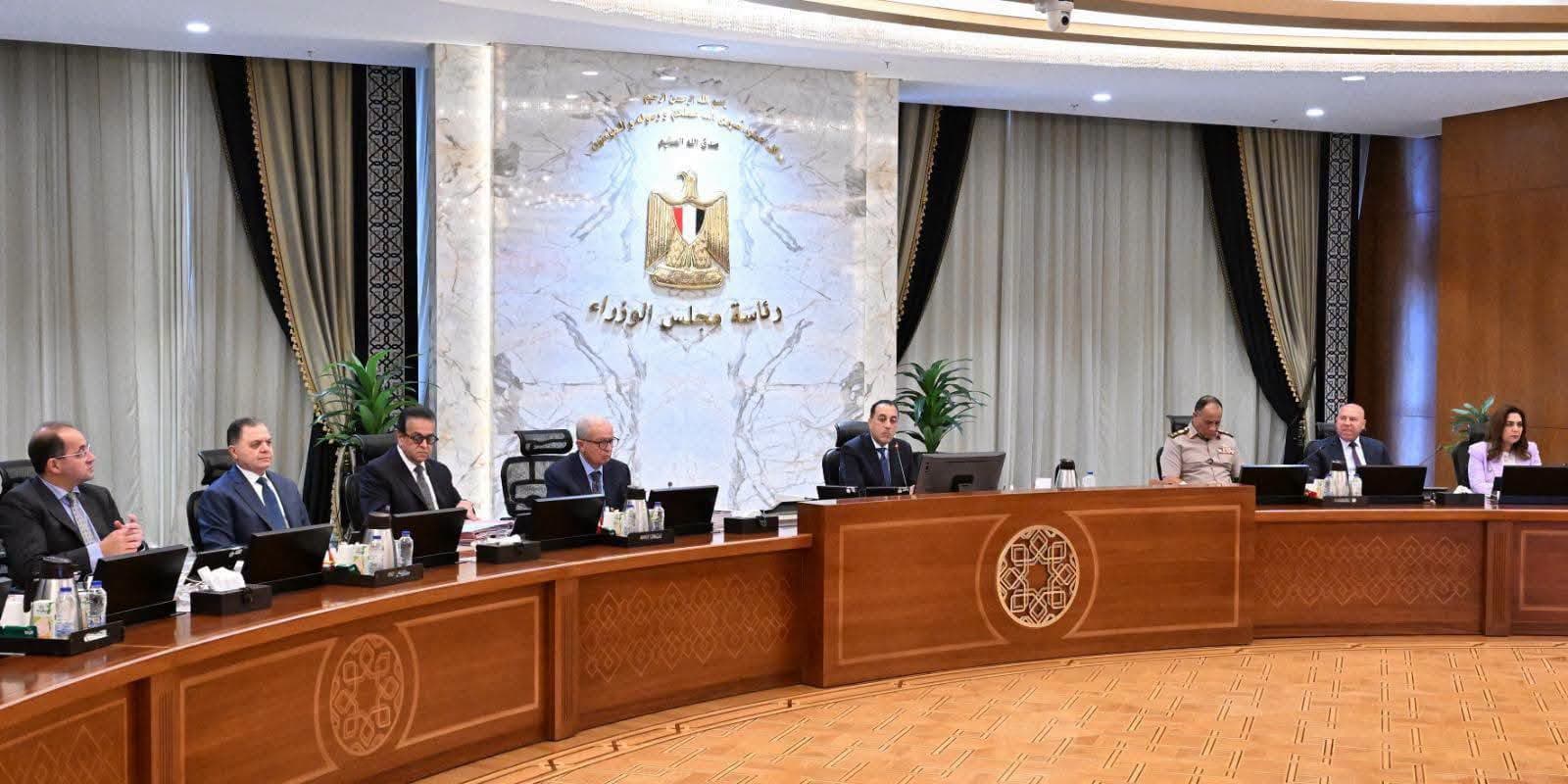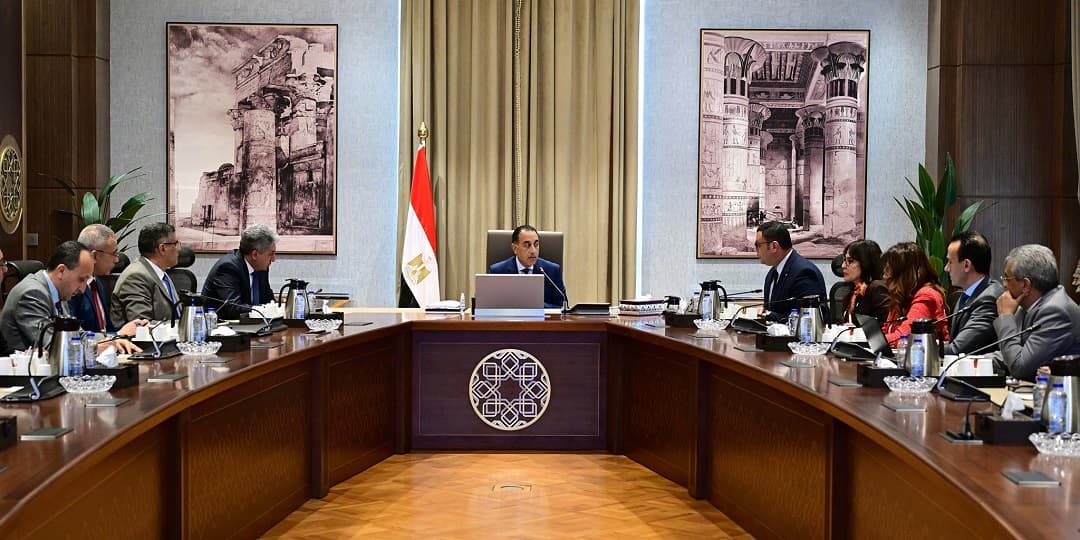
Prime Minister Dr. Mostafa Madbouly held a meeting in the New Capital to follow up on the implementation status of the development of the areas surrounding the Pyramids Plateau, attended by Sherif Fathy, Minister of Tourism and Antiquities; Eng. Sherif El-Sherbiny, Minister of Housing, Utilities and Urban Communities; Eng. Adel El-Naggar, Governor of Giza; Dr. Hend Abdel Halim, Deputy Governor of Giza; Dr. Abdel Khalek Ibrahim, Assistant Minister of Housing, Utilities and Urban Communities for Technical Affairs; Dr. Moamen Othman, Head of the Restoration and Antiquities and Museums Projects Sector at the Supreme Council of Antiquities; and Dr. Ashraf Mohie, Director of the Pyramids Area.
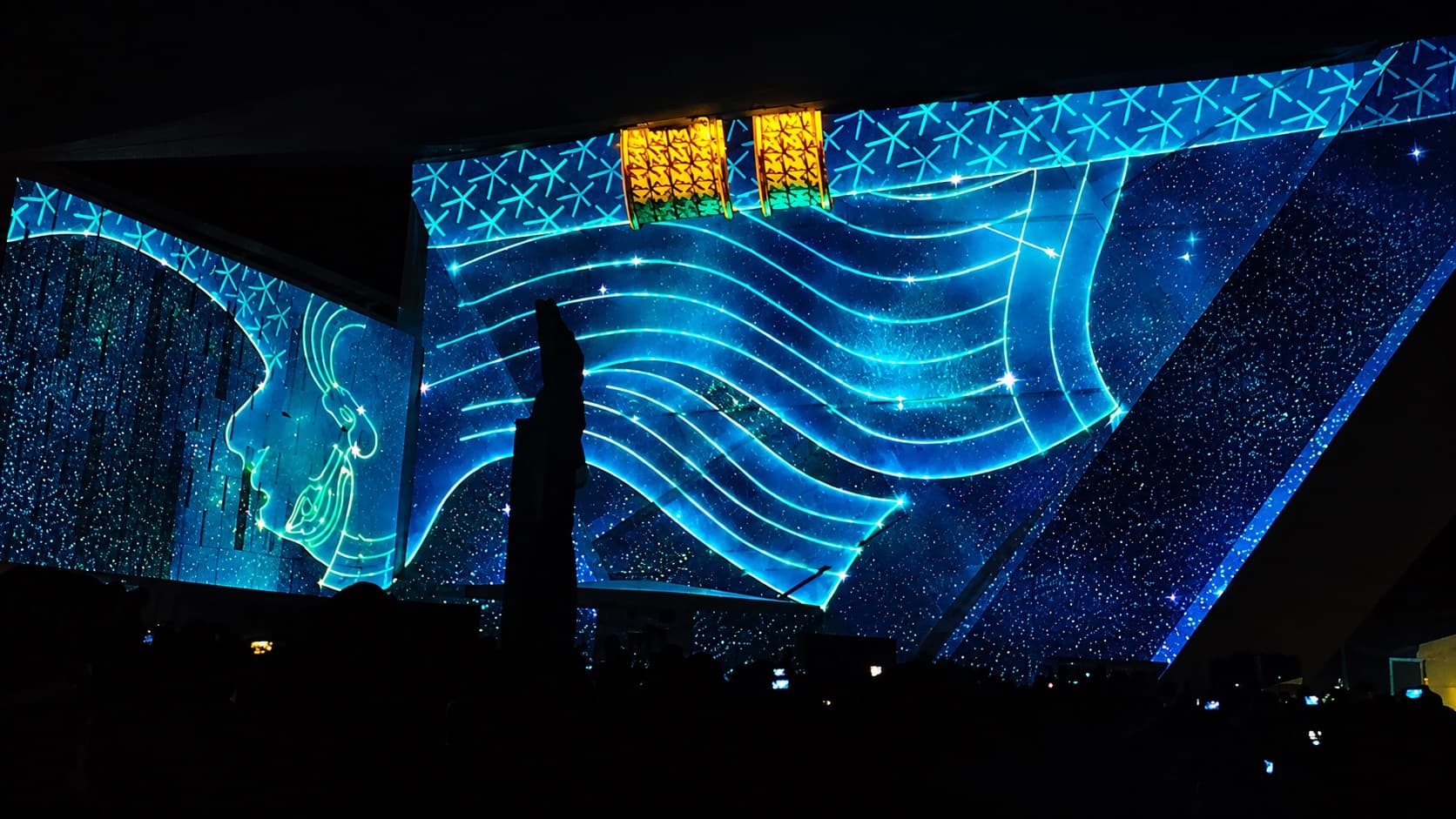
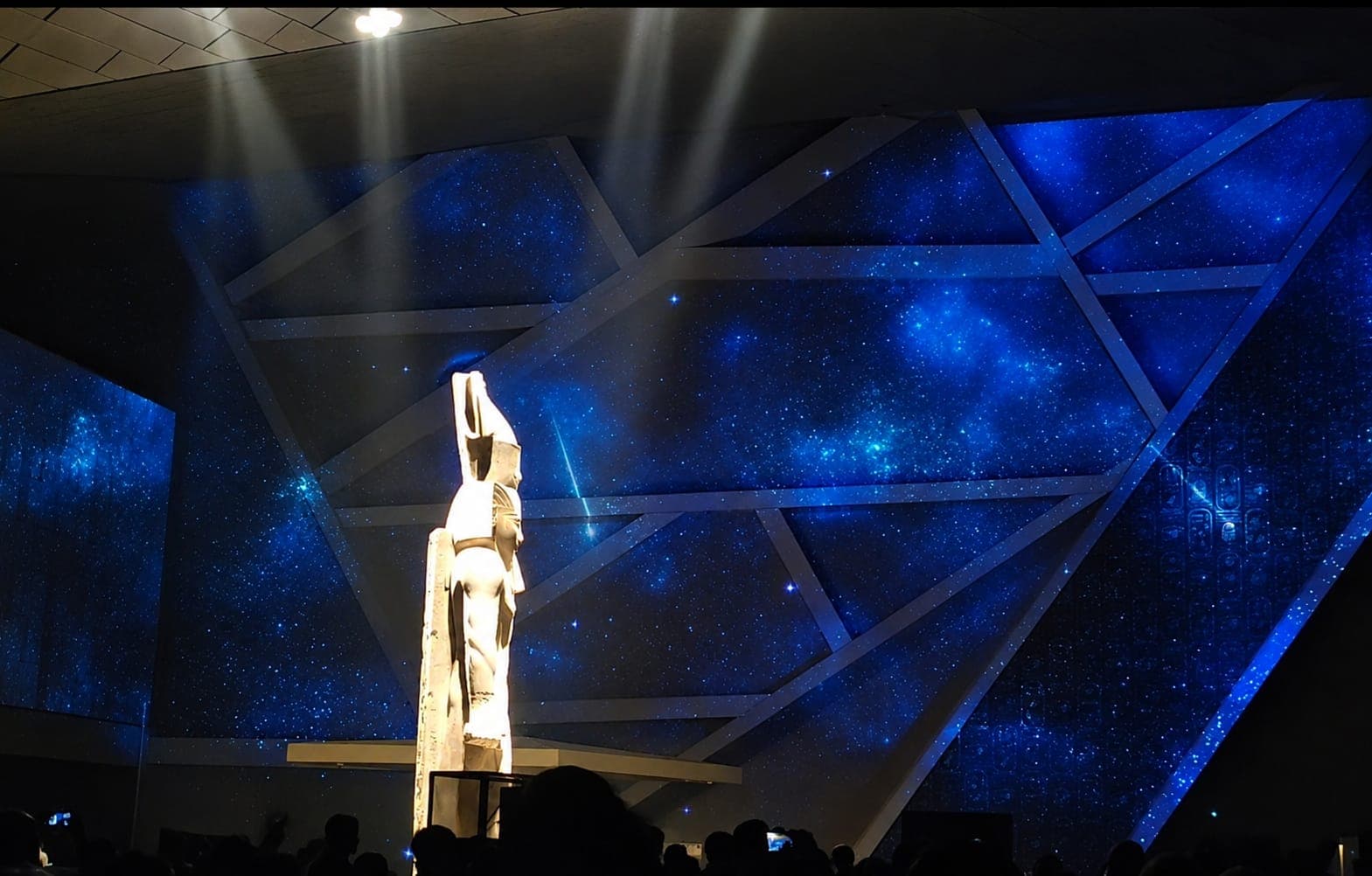
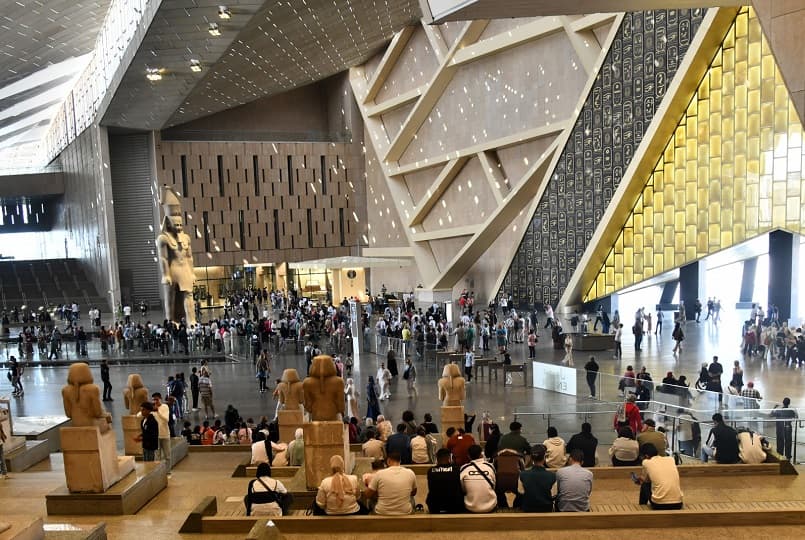
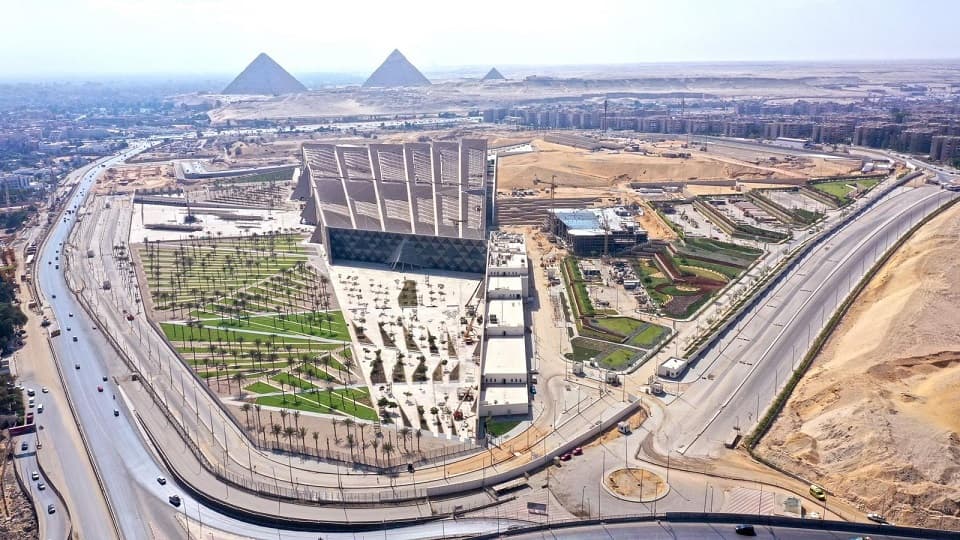
At the start of the meeting, the Prime Minister stressed the great attention being given to the Pyramids Plateau and its surrounding areas, especially with the opening of the Grand Egyptian Museum, and the continuous drive to carry out numerous development works as well as efficiency-upgrading works, helping to provide more advanced services to visitors to these archaeological and historical areas and improve the experience of tourists visiting them.
The Prime Minister noted that today's meeting aims to follow up on the implementation status and the steps taken under the tourism framework plan for the area surrounding the World Heritage Site at the Pyramids Plateau, including its proposals to expand the provision of hotel rooms, in addition to numerous entertainment and commercial activities, to meet the needs and requirements of visitors to this promising area.
During the meeting, Eng. Sherif El-Sherbiny reviewed the main pillars of the tourism framework plan for the area surrounding the Pyramids Plateau and the structure of the proposed economic activities, based on studies of the expected tourism market for the area, especially after the opening of the Grand Egyptian Museum. He pointed to forecasts of an annual increase in the number of hotel rooms in the Pyramids area and its surroundings from today until 2040, in line with the growing volume of tourist traffic visiting these archaeological and historical destinations.
The Minister of Housing noted that the tourism framework plan for the area surrounding the Pyramids Plateau aims to strike a balance between heritage and modernity through an integrated project with a development vision that includes numerous tourism and entertainment activities offering tourists a distinctive and rich experience. He added that the plan aims to develop this promising area, which is one of the areas connected to a World Heritage Site, with the goal of making it an integrated, iconic destination that celebrates the uniqueness of Egypt's ancient heritage while expressing the attractive, forward-looking civilised face that Egypt presents to its visitors and investors, and affirming Egypt's leadership in sustainable and inclusive tourism.
During the meeting, Dr. Abdel Khalek Ibrahim noted that the tourism framework plan for the area surrounding the Pyramids Plateau includes preparing distinctive tourism programmes for visitors, featuring various events, visits and diverse activities to improve the tourist experience, pointing out that the plan is to offer numerous hospitality opportunities and types at various levels from the biggest international hotel brands.
Ibrahim added that the tourism framework plan for the area surrounding the Pyramids Plateau also covers a strategy for preserving the visual view, in addition to preserving heritage and making use of the site to create a unique identity for the area, and adding numerous diverse investment centres, each of which represents a nucleus for tourism development and investment.
During the meeting, the Governor of Giza reviewed the procedures and field follow-ups being carried out to ensure continued maintenance of the various development works implemented in the area surrounding the Grand Egyptian Museum, stressing that this comes as part of the attention paid to the Pyramids area in general and to preserving the civilised face of Egyptian archaeological and historical sites and their surrounding areas, according to the official Facebook page of the Egyptian Cabinet.