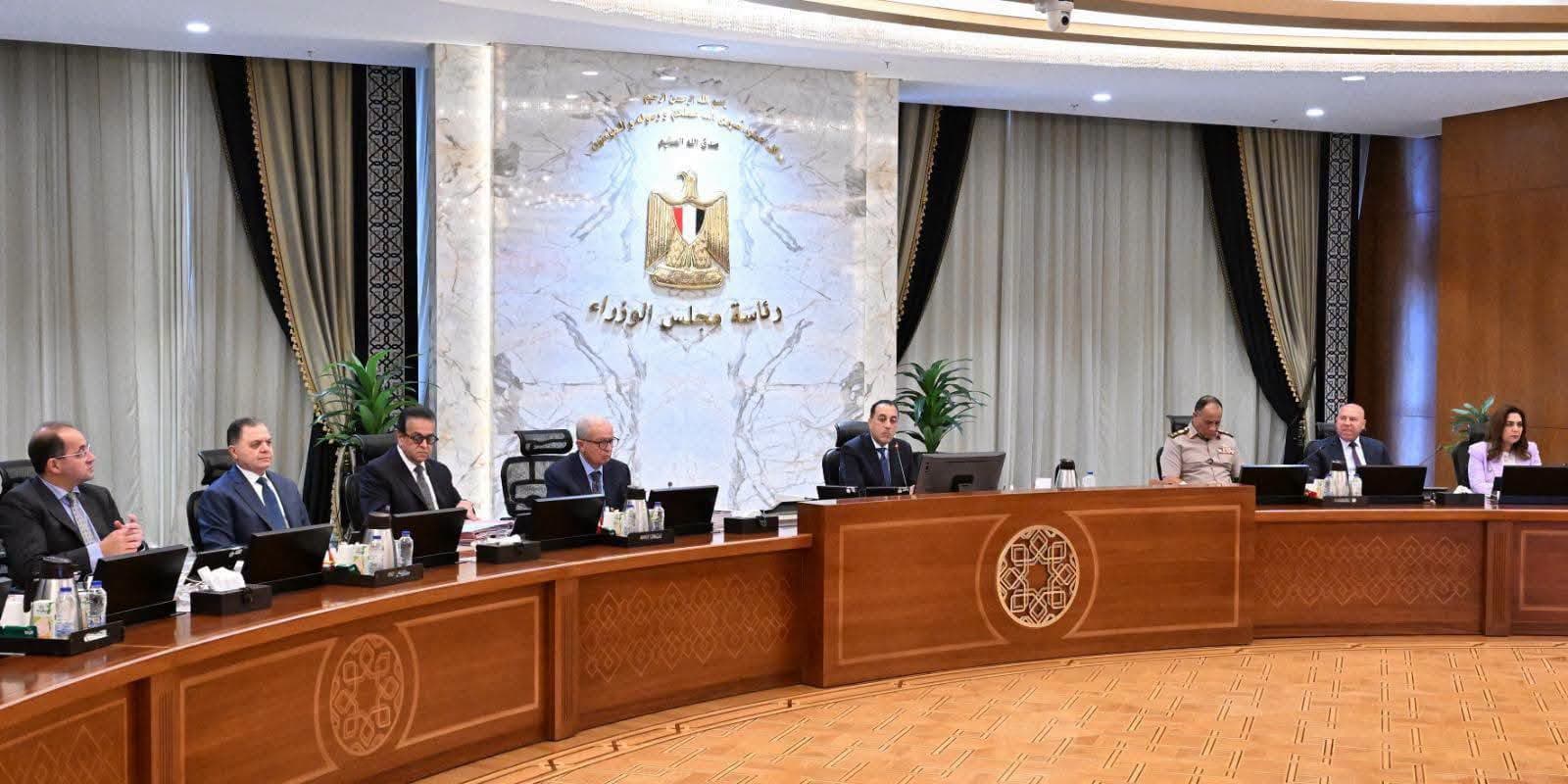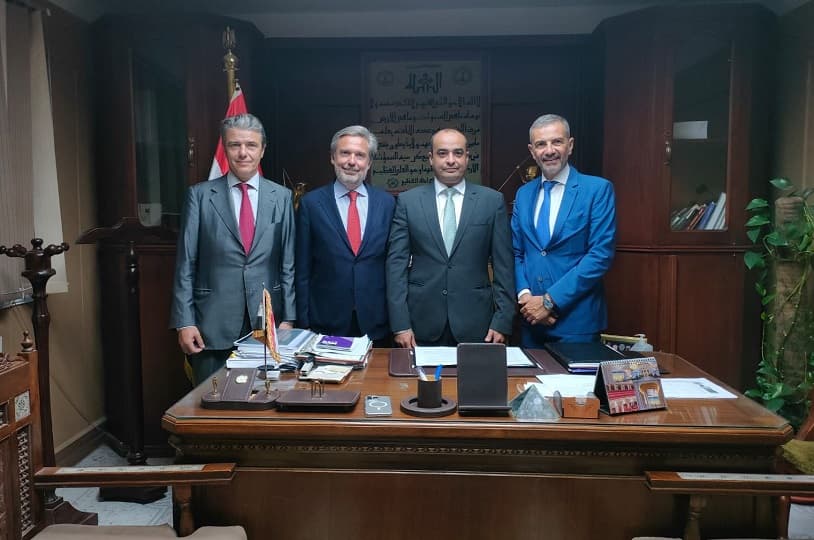
Dr. Mohamed Ismail Khaled, Secretary General of the Supreme Council of Antiquities, and Fabio Tagliaferri, Chairman of the Board of ALES, a company of the Italian Ministry of Culture, signed a joint cooperation agreement to organize the temporary archaeological exhibition "Treasures of the Pharaohs", scheduled to open on October 24, 2025, at the Scuderie del Quirinale in the Italian capital, Rome. The agreement comes as part of strengthening the bonds of joint cooperation between Egypt and Italy in the field of archaeology.
The signing ceremony was attended by Ambassador Michele Quaroni, Italy's Ambassador in Cairo; Dr. Moamen Othman, Head of the Museums Sector at the Supreme Council of Antiquities; Simone Todorow di San Giorgio, CEO of MondoMostre; and Matteo Lafranconi, Director of the Scuderie del Quirinale.

The Secretary General of the Supreme Council of Antiquities stressed the importance of this cooperation, noting that the exhibition is a cultural window that highlights the ancient roots of Egyptian civilization, helps build bridges of cultural dialogue between peoples and enhances global appreciation of human heritage.
"Treasures of the Pharaohs" is the second-largest archaeological exhibition to be held in Italy. It features 130 artifacts selected from the Egyptian Museum in Tahrir and the Luxor Museum of Art, telling the story of the ancient Egyptian civilization across multiple eras through themes including kingship, the royal court, religious beliefs, daily life, funerary rituals and the afterlife. The exhibition is scheduled to run until May 2026, giving Italian and international audiences an extended opportunity to discover the splendor of Egyptian history.
The Artifacts in the Italy Exhibition
Notably, the exhibition includes pieces being displayed in Italy for the first time, among them the golden coffin of Queen Ahhotep, an example of New Kingdom funerary art that is entirely covered in gold, reflecting the queen's high status and divine connection at a time of major political change, as well as the golden funerary mask of King Amenemope, which embodies the concept of royal immortality through the use of gold, the sacred metal associated with the sun god Ra.
The exhibition also features the Triad of King Menkaure, a monumental Old Kingdom sculpture depicting the king standing between the goddess Hathor and the local deity of the Theban region, in a powerful embodiment of sacred authority, as well as the golden coffin of Thuya, grandmother of King Akhenaten, with its decorations and hieroglyphic inscriptions recounting her journey to the afterlife. Among the distinctive pieces is also the legendary golden flies necklace of Queen Ahmose-Nefertari, a military decoration awarded only to Egypt's greatest warriors, which testifies to her vital role in protecting the kingdom's stability at a pivotal period in its history.
The exhibition also showcases ancient Egyptian society, the divine authority of the pharaohs, daily life, religious beliefs, funerary rituals and the latest archaeological discoveries. From the majestic statues of King Ramesses VI and King Thutmose III to delicate royal jewelry, and from skillfully crafted everyday tools to coffins decorated with sacred symbols, the exhibition reveals the artistic sophistication and deep spirituality that distinguished ancient Egyptian civilization and made it one of the most fascinating and influential civilizations in history.
The exhibition dedicates a special section to the "Golden City", one of the most important archaeological discoveries of recent years, where excavations uncovered a large residential complex dating back to the reigns of King Amenhotep III and King Akhenaten, offering unprecedented insights into the daily lives of craftsmen and their families.