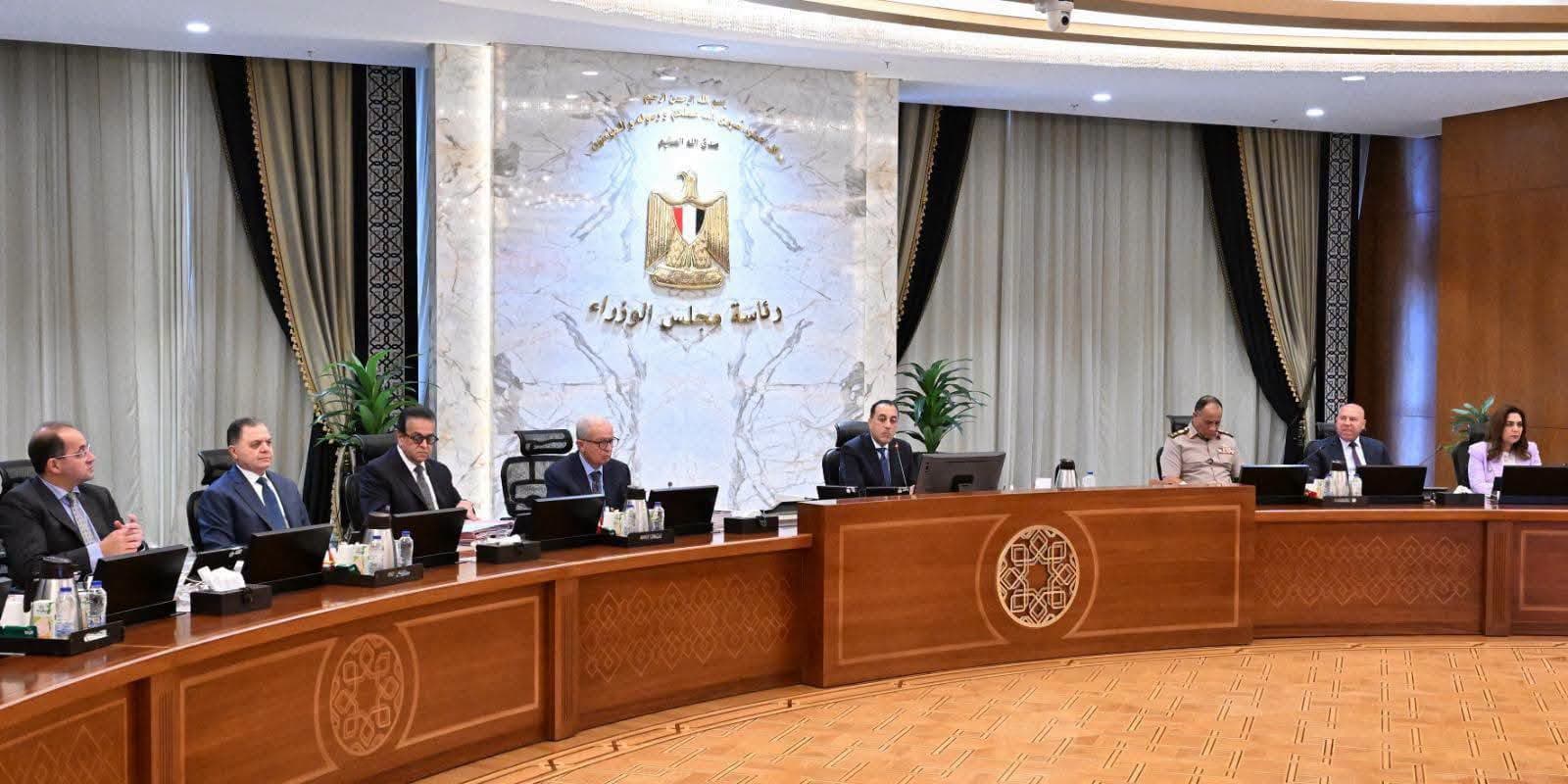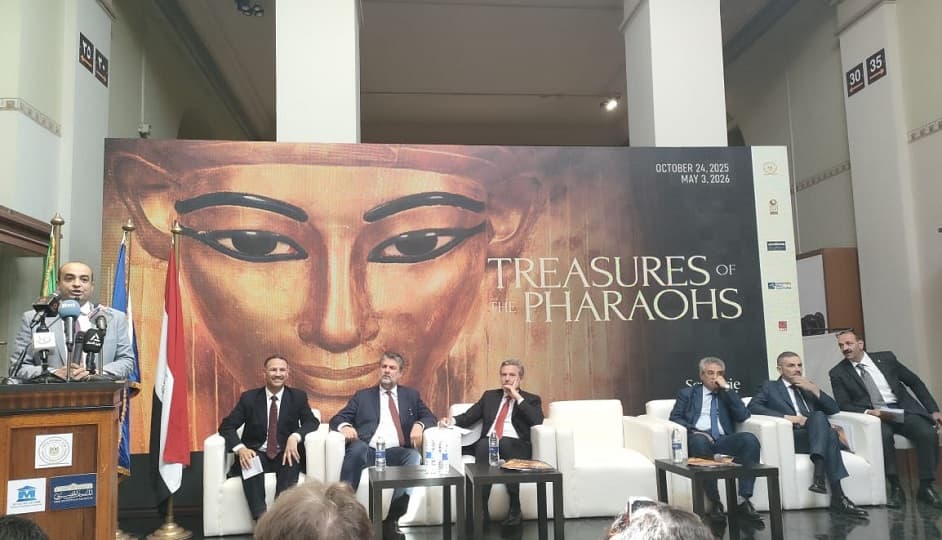
The Cabinet, at its meeting yesterday, Wednesday, chaired by Prime Minister Dr. Mostafa Madbouly, approved holding an exhibition titled “Treasures of the Pharaohs” in the Italian capital, Rome, from October 24, 2025, to May 3, 2026, according to the official Facebook page of the Egyptian Cabinet.
The Supreme Council of Antiquities announced that the “Treasures of the Pharaohs” exhibition will be held at one of Italy's most prominent and important exhibition venues, the Scuderie del Quirinale palace in Rome, which will offer its visitors an extraordinary journey into the heart of ancient Egyptian civilization through a distinguished collection of artifacts selected from Egypt's most prestigious archaeological museums.
The exhibition is the second-largest archaeological exhibition held in Italy, after the one held at Palazzo Grassi in Venice between 2002 and 2003, which highlighted the role of kings in the New Kingdom era. The Treasures of the Pharaohs exhibition, meanwhile, reviews the history of ancient Egyptian civilization from its beginnings to the Late Period, including the latest archaeological discoveries.
Dr. Mohamed Ismail Khaled, Secretary General of the Supreme Council of Antiquities, stated that the exhibition features 130 artifacts carefully selected from the Egyptian Museum in Tahrir and the Luxor Museum, telling the story of Egypt's ancient civilization across multiple eras through themes including kingship and the royal court, religious beliefs, daily life, funerary rituals and the afterlife. The exhibition will remain open to the public until May 2026, providing an extended opportunity to connect with our ancient past.
The exhibition is the result of the strong diplomatic relations between Egypt and Italy, particularly in the cultural and archaeological fields, and is organized by the Supreme Council of Antiquities with the support of the Italian Embassy in Cairo. This unprecedented cooperation made it possible to borrow a collection of some of the most beautiful artifacts from a number of Egypt's most important museums, including the Egyptian Museum in Tahrir and the Luxor Museum. The Egyptian Museum in Turin (Museo Egizio) is also taking part in the exhibition by lending an exceptional piece from its collection to be displayed as part of the exhibition.
Among the most prominent artifacts in the exhibition, some of which are arriving in Italy for the first time, is the golden coffin of Queen Ahmose-Nefertari, an example of New Kingdom funerary art, entirely covered in gold, reflecting the queen's lofty status and divine connection at a time of major political change, as well as the golden funerary mask of King Amenemope, which embodies the concept of royal immortality through the use of gold, the sacred metal associated with the sun god Ra.
The exhibition also includes the Triad of King Menkaure, a monumental Old Kingdom sculpture depicting the king standing between the goddess Hathor and the local deity of the Theban region, a powerful embodiment of sacred authority; the golden coffin of Tuya, grandmother of King Akhenaten, with its decorations and hieroglyphic inscriptions recounting her journey to the afterlife; and, among the distinctive pieces, the legendary golden flies necklace of Queen Ahmose-Nefertari, a military decoration awarded only to Egypt's greatest warriors, which testifies to her vital role in protecting the kingdom's stability at a pivotal period in its history.
The exhibition also showcases ancient Egyptian society, the divine authority of the pharaohs, daily life, religious beliefs, funerary rituals and the latest archaeological discoveries. From the majestic statues of Ramesses VI and Thutmose III to delicate royal jewelry, and from skillfully crafted everyday tools to coffins adorned with sacred symbols, the exhibition reveals the artistic sophistication and deep spirituality that distinguished ancient Egyptian civilization and made it one of the most fascinating and influential civilizations in history.
The exhibition dedicates a special section to the “Golden City,” one of the most important archaeological discoveries of recent years, where excavations uncovered a large residential complex dating back to the reigns of King Amenhotep III and King Akhenaten, offering unprecedented insights into the daily lives of artisans and their families. The discovery provides a new and more human perspective on ancient Egyptian society, highlighting the ingenuity and skill of those who helped build the greatest monuments in history.
The exhibition will also include a rich program of accompanying events, including lectures, guided tours and educational workshops for adults and children, aimed at deepening visitors' knowledge of Egyptian civilization and providing an interactive and enriching experience.
For his part, Ambassador Michele Quaroni, Italy's Ambassador in Cairo, explained that cultural diplomacy is an effective tool that allows us to express ourselves in a shared human language that transcends geographical borders and brings peoples closer together, and that this exhibition is a living embodiment of this concept, bringing together institutions, experts and citizens from Egypt and Italy under its umbrella, confirming that culture is not only a mirror of the past but a gateway to the future. “The deep-rooted cultural ties between our two countries, which arose from long centuries of civilizational exchange across the two shores of the Mediterranean, continue to pulse with vitality through similar initiatives, deepening mutual understanding and strengthening paths of constructive cooperation.”
Dr. Mohamed Ismail Khaled, Secretary General of the Supreme Council of Antiquities, described temporary archaeological exhibitions abroad as a vital cultural bridge, as they allow audiences around the world to explore the richness of ancient Egyptian civilization and highlight the genius of the ancient Egyptians in fields such as science, engineering and the arts. These exhibitions also play a pivotal role in promoting dialogue between cultures and bringing peoples closer together through a shared appreciation of human heritage.
Khaled stressed the importance of this exhibition, as it represents the second-largest exhibition of ancient Egyptian antiquities in Italy since 2002, when the Pharaohs exhibition was held in Venice, which at the time focused on the role of Egyptian kings in the New Kingdom era. “Today, we proudly return to Italy with a collection that reflects our history and the timeless appeal of our heritage through the ages.”

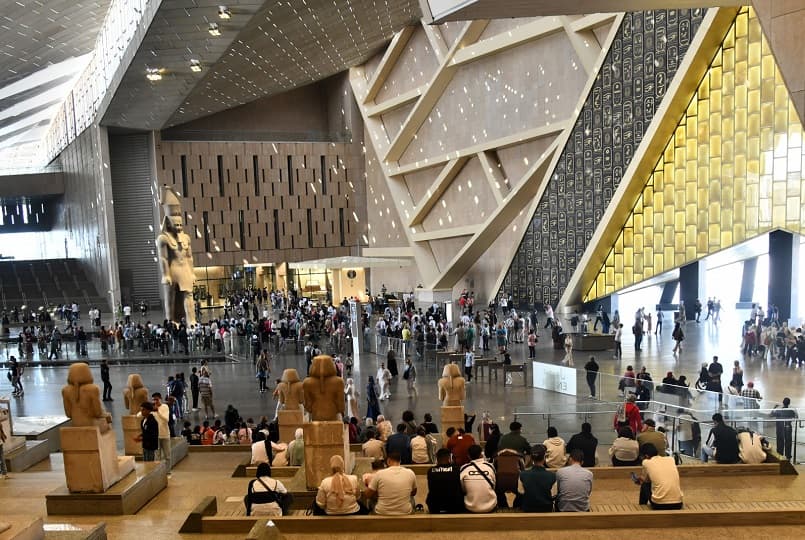
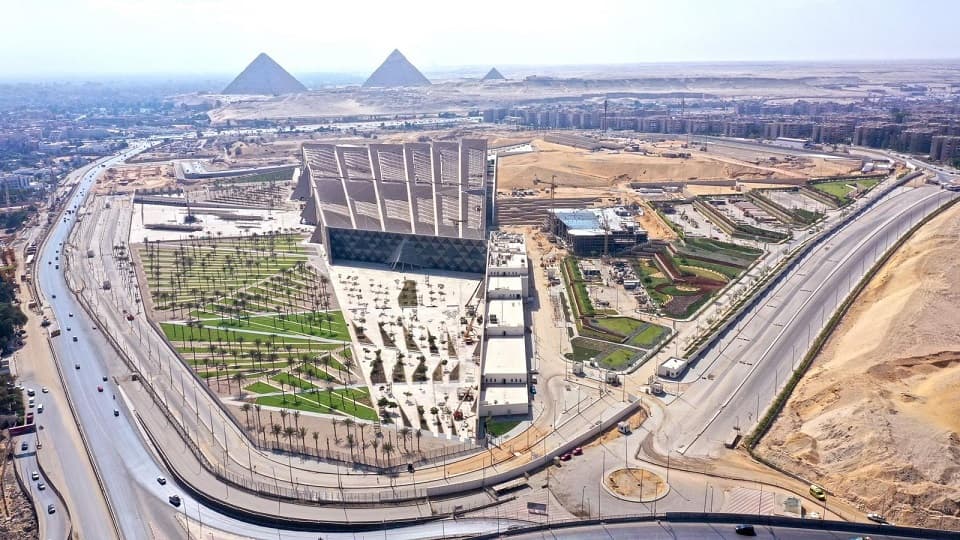
Regarding the continuing role of the Tahrir Museum, the Secretary General of the Supreme Council of Antiquities stressed that selecting these artifacts from the Egyptian Museum in Tahrir carries a clear message that the museum remains a cornerstone of Egypt's cultural and educational heritage. Contrary to the perception that the opening of the Grand Egyptian Museum on the coming July 3 will marginalize it, the Tahrir Museum is currently undergoing comprehensive development of its halls and display scenario to ensure the continuation of its vital role in Egypt's cultural scene.
He added that the aim is to preserve the Tahrir Museum's distinguished historical character while developing display methods and improving the visitor experience, pointing to the development work carried out in cooperation with the European Union and five of Europe's leading museums, including the Egyptian Museum in Turin.
He affirmed that the Egyptian Museum in Tahrir remains one of the most important cultural institutions in the world. Since its opening in 1902, the museum has been a major destination for local and international visitors alike, and its unique collection remains a key reference for Egyptologists and lovers of ancient Egyptian civilization around the world.
In a related context, Moamen Othman, Head of the Museums Sector at the Supreme Council of Antiquities, said the exhibition is the fruit of more than a year of joint and tireless work with our partners in Italy. This achievement was made possible through close cooperation with ALES – Arte Lavoro e Servizi S.p.A., the in-house cultural arm of the Italian Ministry of Culture, as well as Mondo Mostre, known for its extensive expertise in organizing international exhibitions.
He added that the Scuderie del Quirinale halls that will host the exhibition are among the finest and most important cultural sites in Italy. The halls are located next to the Colonna Gardens, above the ruins of the massive Temple of Serapis, and close to the Quirinal Palace, the official residence of the President of the Italian Republic, as well as the Constitutional Court. This location carries deep political and historical significance, and choosing this venue to host the exhibition clearly expresses the great respect and appreciation the Italian people hold for ancient Egyptian civilization.
Othman continued that among the most prominent pieces on display are the coffin of Queen Ahhotep and one of the coffins of Yuya, both of which reflect the spiritual beliefs and religious practices of the ancient Egyptians, in addition to the golden mask of King Amenemope, a magnificent example of the artistic skill of ancient Egyptian craftsmen and of their reverence for kingship. He concluded by saying that the exhibition will be an exceptional cultural event and has attracted wide interest among the Italian public since it was announced.
Dr. Fabio Tagliaferri, Chairman of ALES, the cultural arm of the Italian Ministry of Culture, said that through its partnership with the Italian Ministry of Culture in managing the Scuderie del Quirinale, ALES SpA has achieved an important strategic goal by organizing this major exhibition, Treasures of the Pharaohs. The exhibition was made possible with exceptional support from the Egyptian government and its national museums, affirming the pivotal role of culture in strengthening international relations and reflecting ALES's commitment to organizing exhibitions of great historical and geographical significance.

Dr. Matteo Lafranconi, Director of the Scuderie del Quirinale in Rome, also stated that the exhibition is a source of great pride for the Scuderie del Quirinale, the cultural space belonging to the Presidency of the Italian Republic and managed by the Ministry of Culture through ALES. He said the exhibition, made possible thanks to the generous and exceptional loan from the Arab Republic of Egypt, has given them a unique opportunity to present an ambitious cultural project to the Italian public, fully in line with the vision of the venue's scientific committee, and embodies through its refined content the system of values that expresses the identity of the Quirinale, an identity with roots deep in history, built through the interaction and continuous exchange of the great civilizations on the shores of the Mediterranean.
Dr. Christian Greco, Director of the Egyptian Museum (Museo Egizio) in Turin, said that in honor of this landmark event, the Egyptian Museum will lend a unique piece representing the first acquisition of its collection, the famous Isiac Table (Mensa Isiaca), a stunning masterpiece made of bronze inlaid with gold, silver, copper and zinc using the niello technique, produced in Rome in the 1st century AD in imitation of ancient Egyptian art. It arrived in Turin about 400 years ago. The piece embodies the strong historical relationship between Egypt and Rome and is a symbol of the dialogue and communication between our two countries over thousands of years.