By Akram Medhat
Archaeologist and former Minister of Antiquities Dr. Zahi Hawass said that developing the Pyramids area and turning it into an open-air museum was his first mission, after the unique archaeological site, which contains one of the Seven Wonders of the World, had suffered from neglect and a poor public image due to the way horse and camel handlers dealt with tourists and visitors to the area, which had turned into a zoo in 1988 when he returned from the United States.
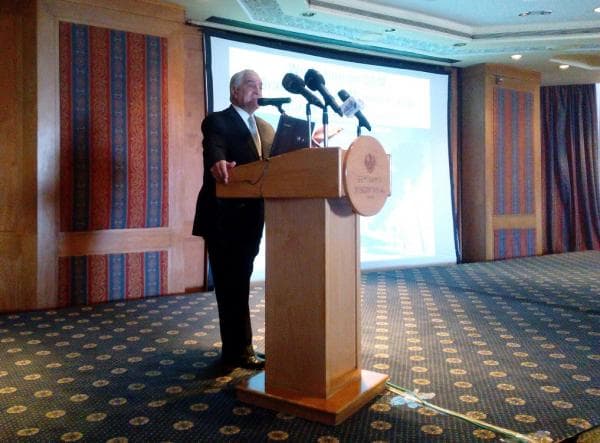
He added in his speech at a workshop held today titled "Ways to Develop the Grand Museum and Tourist Areas" that the first successful step in the project was building a wall around the Pyramids area, aimed at tightly controlling the entry and exit of visitors and preventing any encroachments, especially after the January 2011 revolution and the emergence of informal settlements that came close to the archaeological site, saying: "People could have built on the pyramid itself."
He noted that the cost of the first phase of the development project reached EGP 200 million before 2011, until it was halted and then revived on the instructions of President Sisi to the Minister of Antiquities, with a directive to complete it quickly.
Hawass stressed that antiquities exhibitions abroad are the strongest and most influential tool with tourists around the world, compared with promotional campaigns through foreign companies or television advertisements, the most important being the Tutankhamun exhibition, which was held in 10 countries and generated revenues of $140 million for Egypt.
He explained that the celebration of the 100th anniversary of the discovery of Tutankhamun's tomb in 2022 must be held at a world-class level and prepared for early, noting that a Tutankhamun opera is being prepared.
He continued that the Pyramids, Tutankhamun and Cleopatra are words that reveal Japanese tourists' love of Egypt, criticizing some people's rejection of holding antiquities exhibitions outside Egypt, even though they serve as strong publicity for Egypt in addition to the financial return, and do not stop tourists from coming to Egypt but rather whet their appetite, reviving tourism.
Hawass proposed activating and increasing the tourism caravans that tour the world, given their effectiveness, credibility and stronger impact than television or street advertising campaigns in attracting tourists to Egypt.
Hawass pointed out that a Japanese production company will shoot a two-hour film about Queen Cleopatra in Egypt, a good step reflecting Japanese confidence in the safety of Egypt as a tourist destination, noting that the Ministry of Antiquities has granted them all the necessary permits and facilitated procedures, and expecting this artistic work to have a great impact on reviving Japanese tourism.