UAE-based low-cost carrier Air Arabia has announced a net profit of AED 278 million for the first quarter ended 31 March 2026, down 22% from AED 355 million in the same period last year, affected by the repercussions of the ongoing conflict in the region and the resulting airspace closures and temporary operating restrictions.
The company recorded revenue of AED 1.8 billion in the first quarter of 2026, up 1% compared with the same quarter of 2025, while carrying 4.7 million passengers across all its operating hubs, down 5% year on year, according to a post on the Air Arabia website.
The seat load factor reached 86%, up 2% compared with the same period last year, reflecting continued demand for Air Arabia's services despite the impact on operations and reduced capacity during March.
Sheikh Abdullah bin Mohammed Al Thani, Chairman of Air Arabia, explained that the first quarter saw major challenges in the form of airspace restrictions and operational disruptions resulting from the ongoing conflict in the region, adding that the company showed great flexibility in managing operating capacity and maintaining continuity of operations.
He noted that the company achieved strong operational and financial performance in the first quarter, supported by continued travel demand across its network and the various markets it serves, as well as the strength of its multi-hub business model, sound cost management and continued focus on operational efficiency.
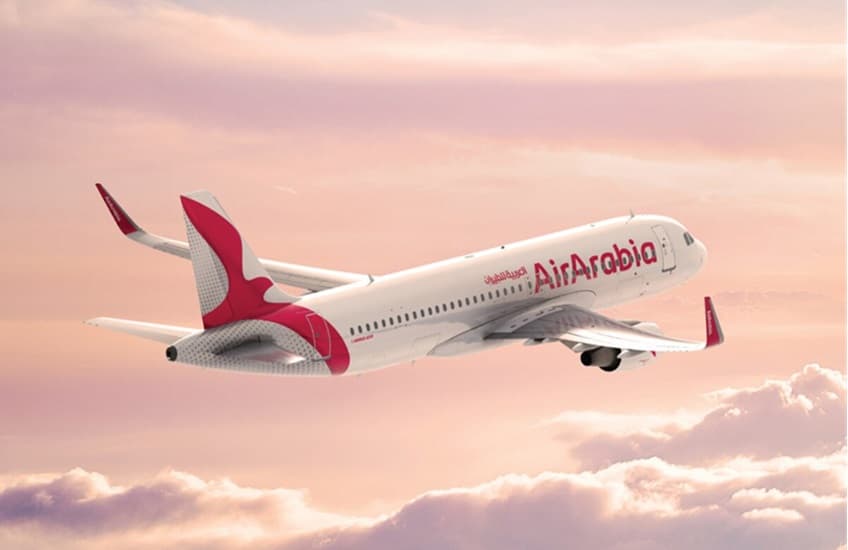
During the first quarter of 2026, Air Arabia operated a fleet of 90 owned and leased Airbus A320 and A321 aircraft across its operating hubs in the UAE, Morocco, Egypt and Pakistan, with plans to receive additional aircraft this year as part of its current Airbus order.
In February, the company was included in Forbes' list of the Top 100 Listed Companies in the Middle East for 2026, reflecting the continued strength of its financial and operational performance.
Air Arabia also received a limited assurance report on its 2025 sustainability report, prepared according to the international assurance standard ISAE 3000, as part of its commitment to strengthening environmental, social and corporate governance standards.
The Chairman of Air Arabia stressed that uncertainty continues to affect airline operations in the region and worldwide, along with fuel price volatility, rising operating costs and pressures on supply chains, trade and logistics, noting the company's confidence in the strength of the local and regional economies it serves and its ability to continue dealing with changes with discipline and flexibility.
To view the post on the Air Arabia website, click here.