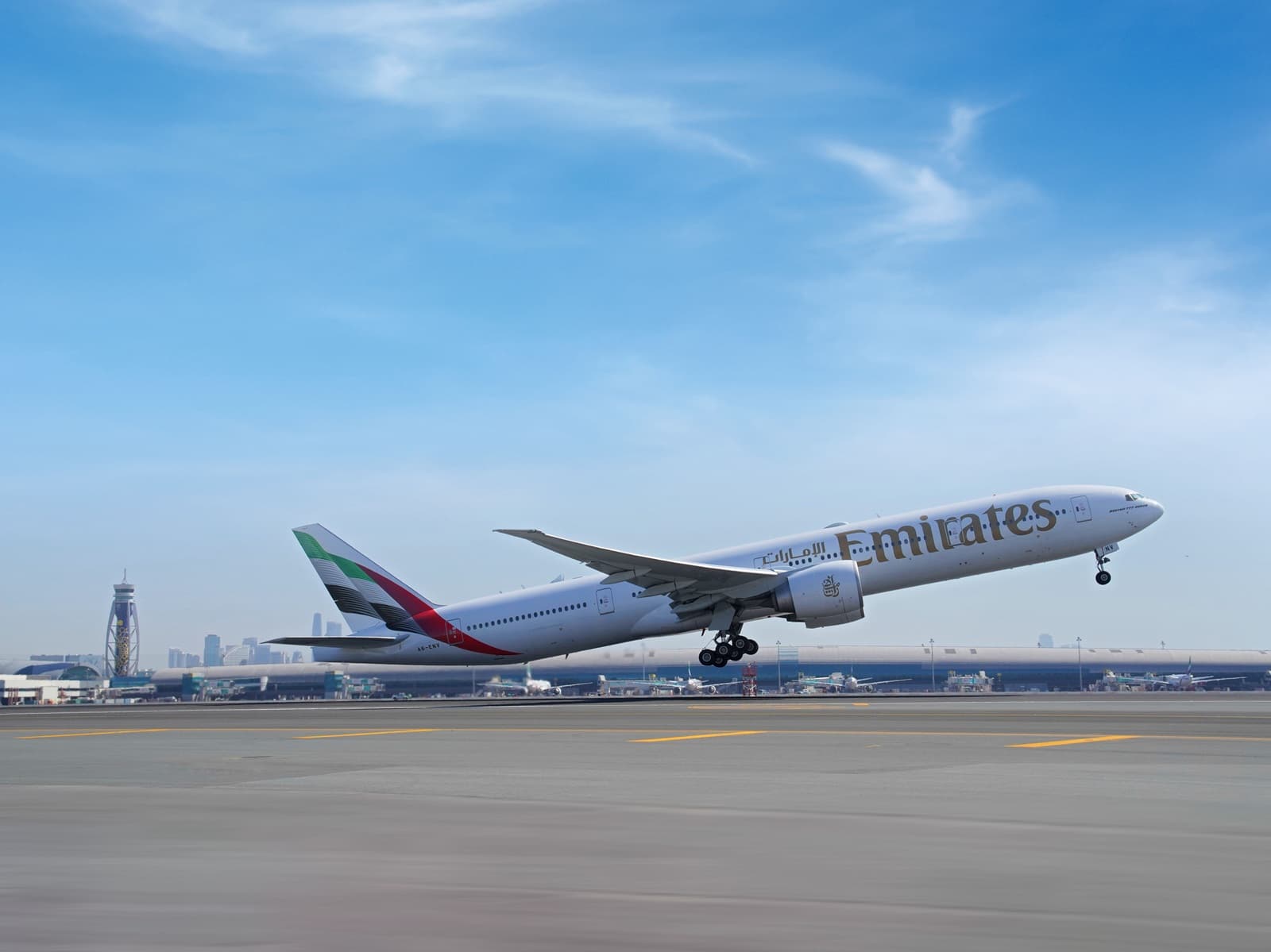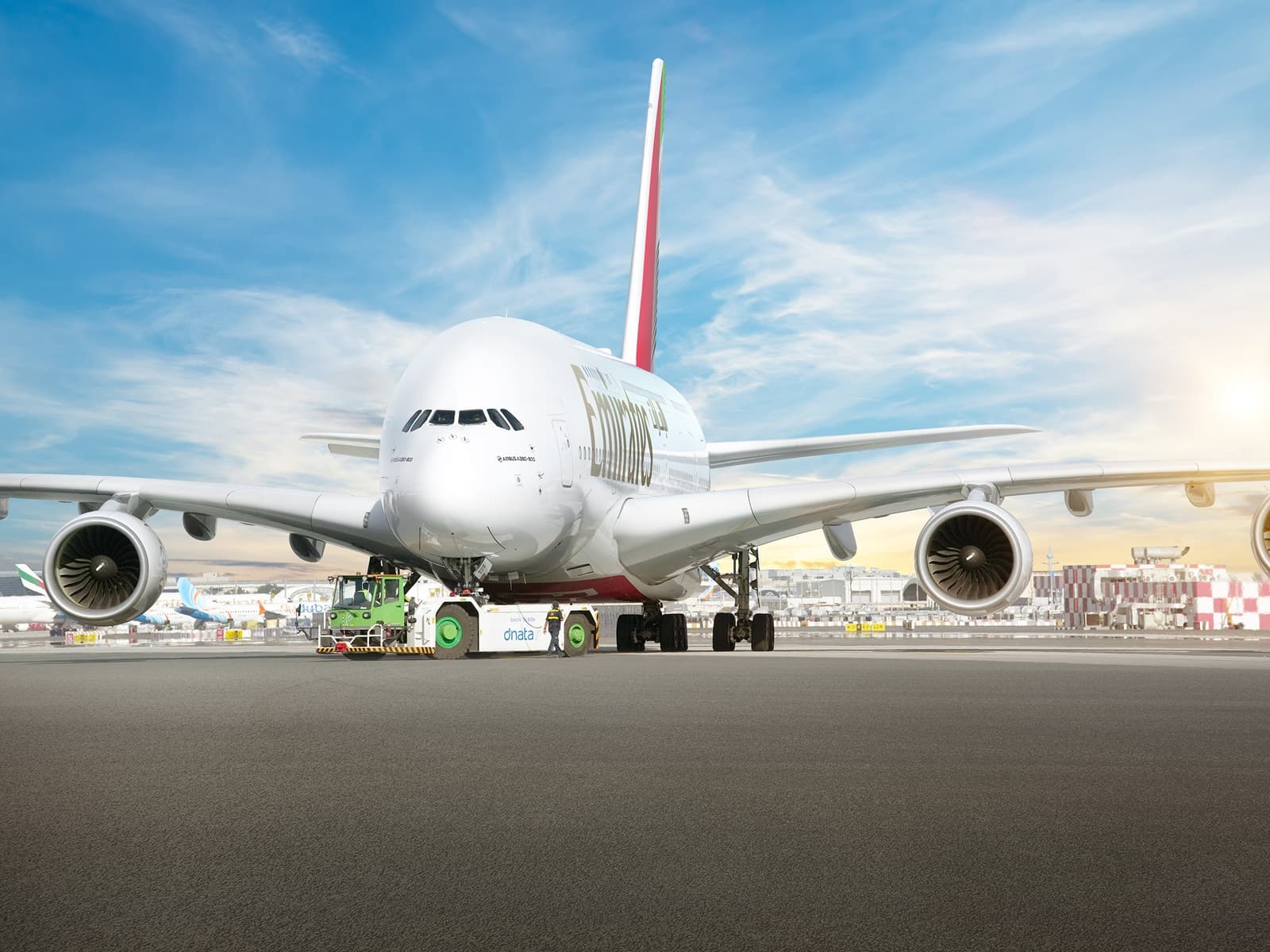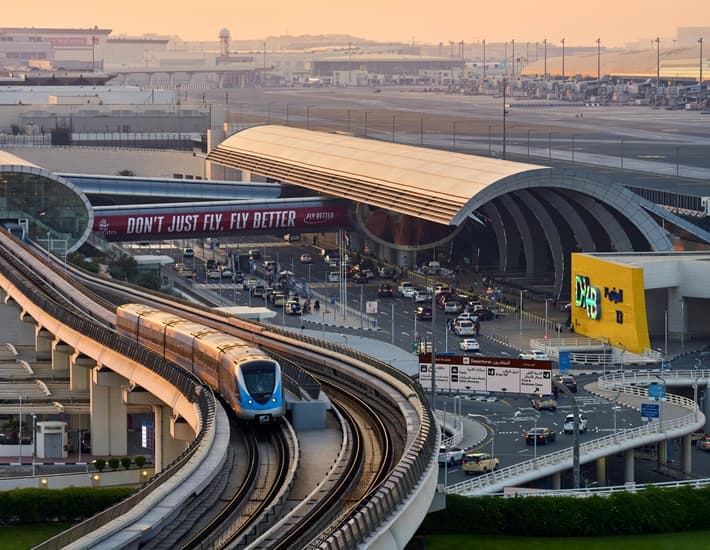
Dubai International Airport is preparing to regain strong travel demand momentum in the coming period, with precautionary airspace restrictions lifted in the UAE and Dubai Airports beginning to expand operations and increase air traffic in line with the available capacity of regional air routes.
Dubai Airports explained that the airport continued to maintain the smooth flow of global connectivity during the period of regional disruption, which imposed major restrictions on airspace capacity and flight schedules through one of the world's most important aviation corridors, according to a post on the Dubai Airports website.
Since these developments began on 28 February and escalated during March, Dubai Airports maintained the continuity of its operations despite the restrictions, helping to secure the movement of more than 6 million passengers and more than 32,000 aircraft movements, as well as handling more than 213,000 tonnes of vital cargo.
Dubai Airports explained that Dubai International continued to operate under changing and rapidly evolving conditions, by aligning operating schedules, passenger flows and ground handling services with the available airspace capacity, while joint coordination within the airport community helped maintain the continuity of service and operations safely and consistently.
Following the lifting of precautionary restrictions on UAE airspace, Dubai Airports began the next phase of recovery, increasing the number of daily flights and enabling airlines to gradually restore their schedules, with continued coordination to improve the efficiency of air traffic flows through neighboring airspace.
Paul Griffiths, CEO of Dubai Airports, explained that the exceptional developments of recent weeks posed an unprecedented challenge for any major global aviation hub the size of Dubai International, adding that maintaining smooth operations at the airport is a pivotal element for the continuity of global travel.
Griffiths noted that Dubai Airports' focus during this period was on ensuring safe and consistent operations for passengers, through close coordination and rapid decision-making across the airport community, while ensuring the system was ready to respond quickly whenever conditions improved.
He stressed that the collective response to these challenges strengthened Dubai Airports' ability to adapt rapidly, enabling it to meet renewed demand as capacity is restored and consolidating Dubai International's role as a global hub, even as some restrictions on regional routes continue.
Dubai's status as a global aviation hub is tied to the international transit market, as Dubai Airports notes that the Middle East accounts for around 70% of the 99.3 million transit passengers who could pass through the region, with Dubai International handling 32% of this traffic.
In terms of performance in the first quarter of 2026, Dubai International received 18.6 million passengers, down 20.6% compared with the same period last year, while passenger traffic in March reached 2.5 million, down 65.7% year on year, reflecting the impact of the regional airspace disruption that escalated during the month.
India remained Dubai International's largest destination market in the first quarter with 2.5 million guests, followed by Saudi Arabia with 1.3 million, then the United Kingdom with 1.2 million and Pakistan with 918,000 passengers. At city level, London remained the busiest destination with 752,000 passengers, followed by Mumbai with 520,000 and Jeddah with 505,000.
Cargo handled in the first quarter reached 399,600 tonnes, down 22.7%, with 66,000 tonnes handled in March. Total aircraft movements reached 88,000, down 20.8% compared with the same period last year.
Dubai International handled 17.6 million bags in the first quarter, including 2.6 million in March, with a baggage mishandling rate of 3.5 bags per 1,000 passengers, compared with a global average of around 6.3 bags per 1,000 passengers.
Dubai Airports stressed that its outlook for this year remains supported by strong underlying travel demand in the coming period, as airspace capacity continues to improve, noting that Dubai International is increasing flight traffic in cooperation with airlines and air navigation bodies to make additional capacity available across the network.
It also stressed that Dubai International is well positioned to absorb air traffic growth in the coming months as airspace capacity is restored, alongside continuing long-term expansion plans at Dubai World Central – Al Maktoum International, in support of Dubai's future vision as a global aviation hub.
To view the post on the Dubai Airports website, click here.