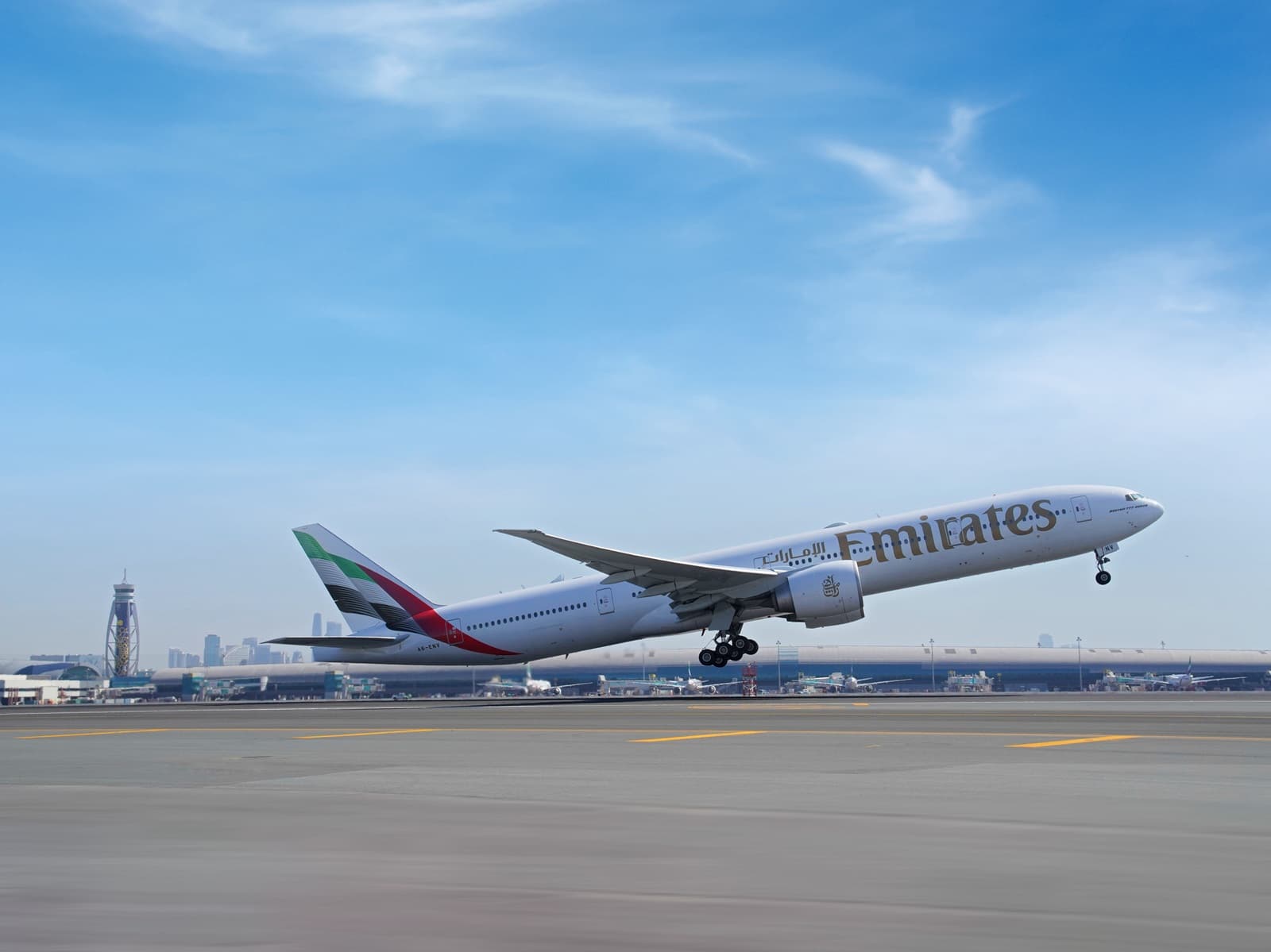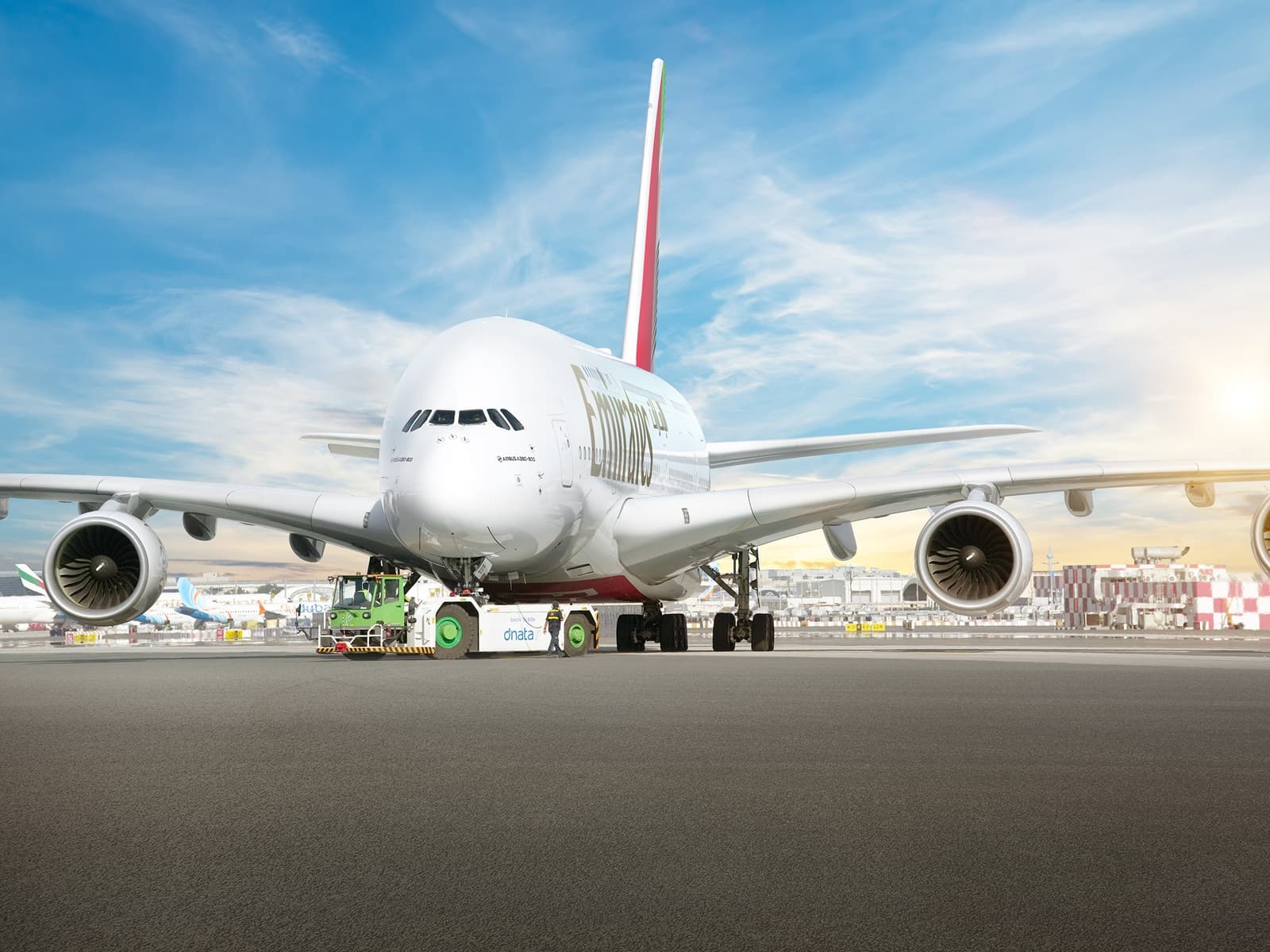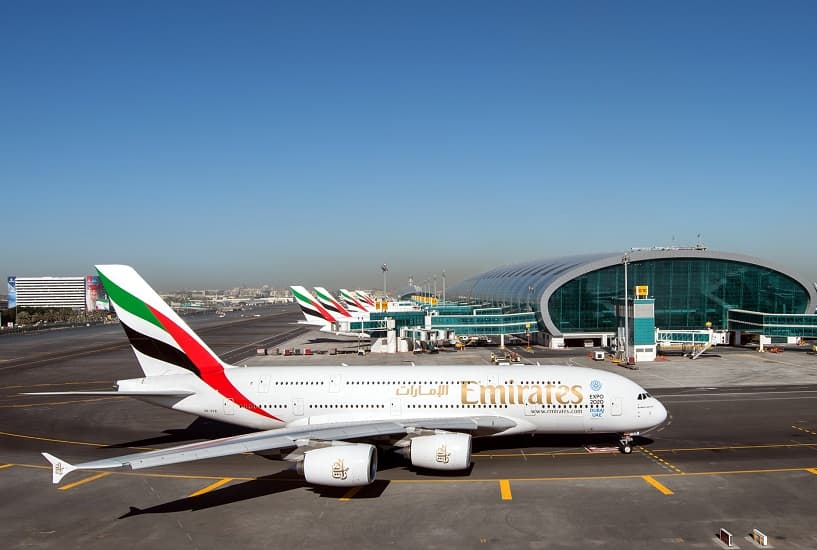
Emirates achieved a record pre-tax profit for the first half of 2025-2026 of AED 11.4 billion (about $3.1 billion), compared with AED 9.7 billion (about $2.6 billion) for the same period last year. Emirates' profit after tax reached AED 9.9 billion (about $2.7 billion).
Emirates carried 27.8 million passengers between April 1 and September 30, 2025, up 4% from the same period of the previous year, according to a press release published on the Emirates website.
Emirates' revenue, including other operating income, reached AED 65.6 billion (about $17.9 billion), up 6% from AED 62.2 billion (about $16.9 billion) for the same period last year.
This record revenue growth is attributed to continued strong demand for travel across various markets and customers' preference for Emirates' products and services, particularly in its premium cabins.
Emirates continued to strengthen its network of destinations and connectivity options through its Dubai hub. During the first half of the 2025-2026 financial year, the airline launched new services to Da Nang in Vietnam, Siem Reap in Cambodia, and Shenzhen and Hangzhou in China.
By September 30, 2025, Emirates' passenger and cargo network extended to 153 airports in 81 countries and territories. The network was strengthened with the addition of 28 extra weekly flights to Antananarivo, Johannesburg, Muscat, Rome, Riyadh and Taipei.
To provide customers with more connectivity options, during the first six months of 2025-2026 Emirates entered into codeshare and interline partnership agreements with Air Seychelles, Condor and Aurigny.
Between April 1 and September 30, Emirates took delivery of five new Airbus A350 aircraft, adding more Business Class and Premium Economy seats to its fleet. During the same period, 23 aircraft, including six Airbus A380s and 17 Boeing 777s, were fully retrofitted as part of its $5 billion fleet retrofit program.
This enabled the airline to offer its latest cabin products in more markets, including Premium Economy, and by September 30, Premium Economy was available to customers traveling between Dubai and 61 cities around the world.
Emirates also opened a check-in lounge for First Class customers at Dubai International Airport, providing First Class customers and Emirates Skywards Platinum members with an exclusive, luxurious area.
During the first half of the 2025-2026 financial year, Emirates accelerated the implementation of its retail store strategy, opening travel stores in Accra, Bangkok, Geneva, Jakarta, Mauritius, Osaka, Seoul and Singapore.
Emirates continued to make progress on its environmental initiatives by increasing the use of sustainable aviation fuel where available and feasible, at 37 airports. In April, Emirates joined the Aviation Circularity Consortium, a network of organizations committed to building a circular economy for aviation and creating new pathways to accelerate decarbonization through a high-value circular economy in the global supply chain.
Overall capacity during the first six months of the financial year rose by 5% to 31.3 billion Available Tonne Kilometers, attributed to expanded flight operations. Passenger capacity, measured as available seats multiplied by kilometers flown, also rose by 5%.
Meanwhile, passenger traffic, measured in Revenue Passenger Kilometers, rose by 4%, with a seat load factor of 79.5%, compared with 80.0% during the same period last year.
Emirates' direct operating costs, including fuel, rose by 4% in line with expanded operations, and fuel remained the largest component of the airline's operating costs at 30%.
Thanks to customer demand and expanded operations over the six months, earnings before interest, taxes, depreciation and amortization (EBITDA) remained very strong at AED 19.7 billion (about $5.4 billion), up 3% from AED 19.1 billion (about $5.2 billion) for the same period last year.
Emirates Leisure Retail also acquired the remaining 25% stake in Air Ventures LLC in the United States, securing full ownership of the entity that operates airport retail and food and beverage outlets.
dnata
dnata recorded strong growth during the first half of the 2025-2026 financial year, driven by stronger operations in cargo, ground handling, catering, retail and travel services.
In the first half of the 2025-2026 financial year, dnata catering and airport services won many important new contracts and grew its base of existing customers across its international operations. This underscores dnata's ability to meet the diverse requirements of its airline customers with high safety standards and high-quality products and services.
dnata also continued its strategic investments in its business in response to customer needs and to capitalize on market prospects. It announced plans to deploy 800 new units of ground support equipment across its global network in 2025, with an investment of $110 million, to enhance operational performance and provide lower-emission equipment in support of dnata's growth and sustainability goals.
Among dnata's highlights during the first half of the 2025-2026 financial year were the launch of its airport hospitality brand "marhaba" in the United Kingdom, a minority investment of 3 million euros in the advanced booking platform WonderMiles to strengthen dnata's corporate travel offerings, and the divestment of its 75% stake in Super Bus, which operates tourist trips in the UAE.
dnata also entered into its first major sports sponsorship partnership, signing a three-year agreement with Dubai Basketball to become the corporate partner of the first Emirati professional basketball team based in Dubai.
dnata recorded a new revenue record during the first half of the financial year, surpassing the $3 billion mark for the first time during this period. dnata's revenue, including income from other operations, rose by 13% to AED 11.7 billion (about $3.2 billion), compared with AED 10.4 billion (about $2.8 billion) during the same period of the last financial year.
dnata's total pre-tax profit reached AED 843 million (about $230 million), up 17% from the same period of the last financial year, and dnata's profit after tax reached AED 697 million (about $190 million).
dnata demonstrated its operational profitability, with EBITDA of AED 1.4 billion (about $372 million), up 5% from AED 1.3 billion (about $354 million) in the first six months of the last financial year.
dnata's airport operations maintained their position as the largest contributor to dnata's revenue, with this contribution reaching AED 5.5 billion (about $1.5 billion), up 15% from the revenue of the first six months of the last financial year, thanks to continued growth in customer demand, particularly in Italy, Australia, the United Kingdom and the UAE.
The number of aircraft turns handled by dnata across all its locations also rose by 15% to 450,903, driven by the launch of its operations at Rome airport, while the cargo it handled reached 1.59 million tonnes, up 3% from the same period last year, thanks to strong demand for cargo services and its operations in the UAE.
dnata's flight catering and retail operations contributed AED 4.1 billion (about $1.1 billion) to total revenue, up 11%, supported by increased production in both Australia and the United Kingdom to meet customer demand, along with growth in its retail products as part of its strategy, in addition to the positive impact of contract adjustments to cover rising supply costs. The total number of meals served fell slightly by 1% to 60.0 million meals compared with the same period of the last financial year.
dnata's travel division contributed AED 2.0 billion (about $538 million) to revenue, up 11% from AED 1.8 billion (about $483 million) in the same period of the last financial year.
The division recorded underlying total transaction value (TTV) sales of AED 5.0 billion (about $1.4 billion), up 9% from AED 4.5 billion (about $1.2 billion) in the same period of the last financial year.
To view the post on the Emirates website, click here.