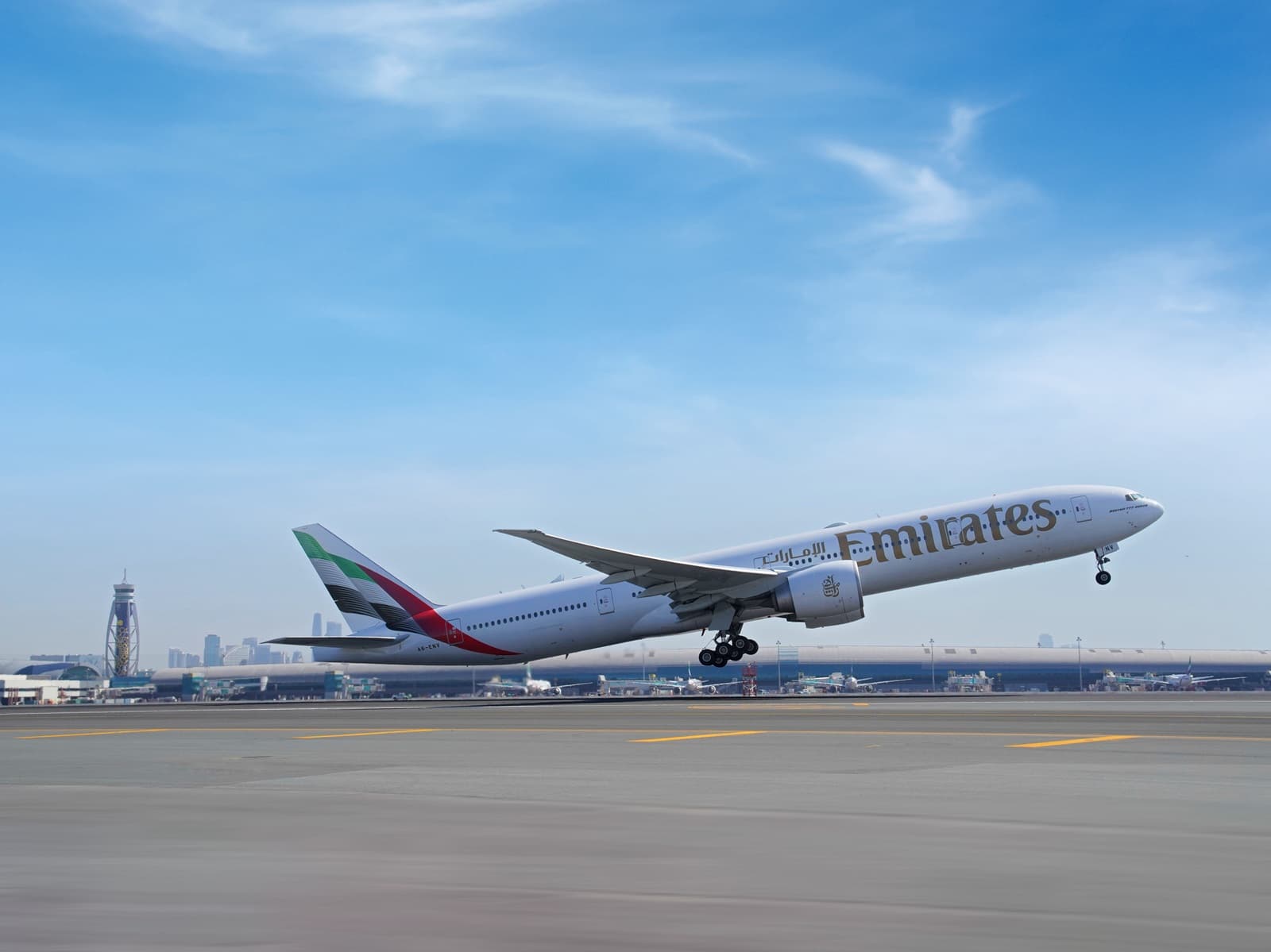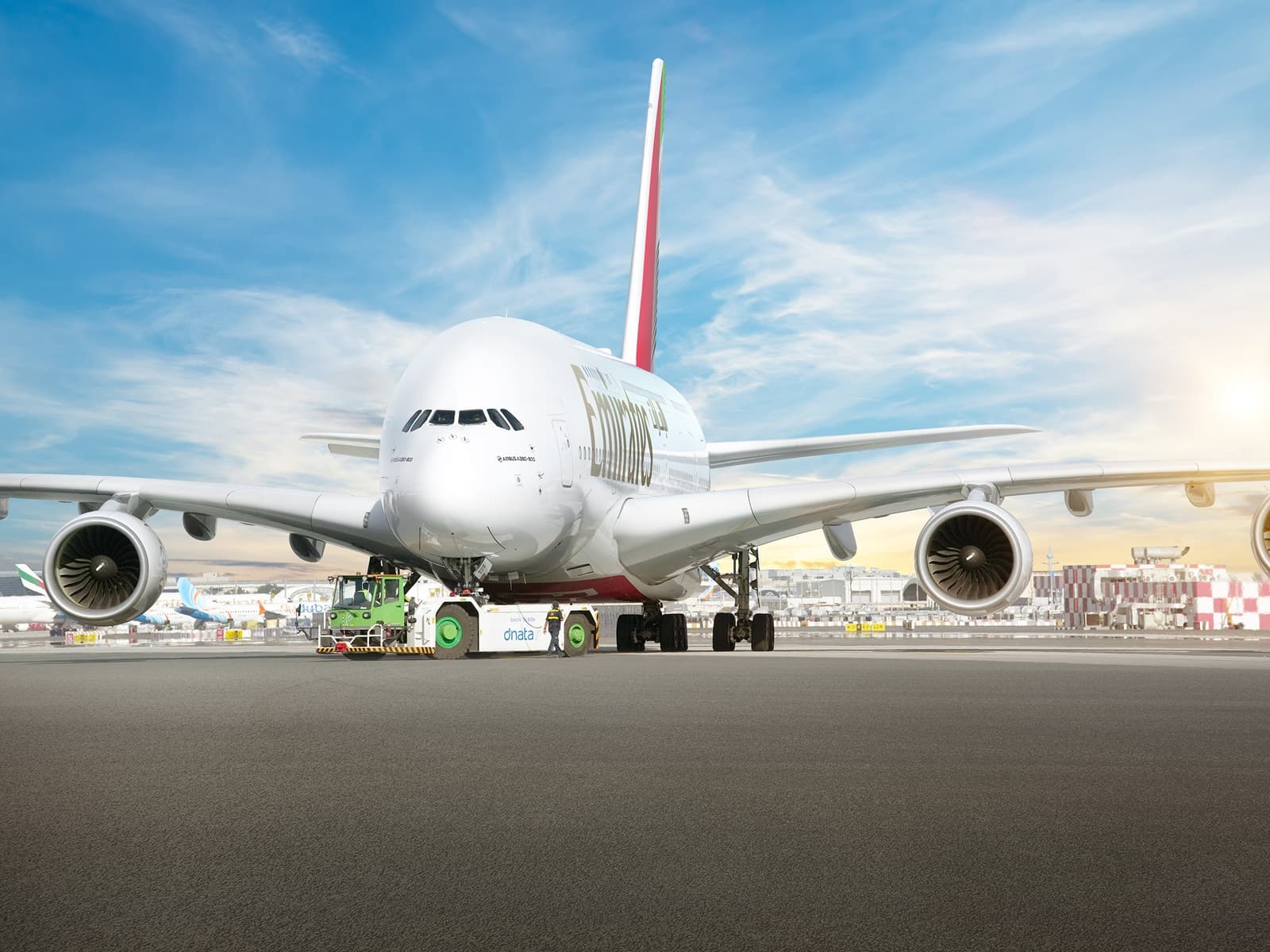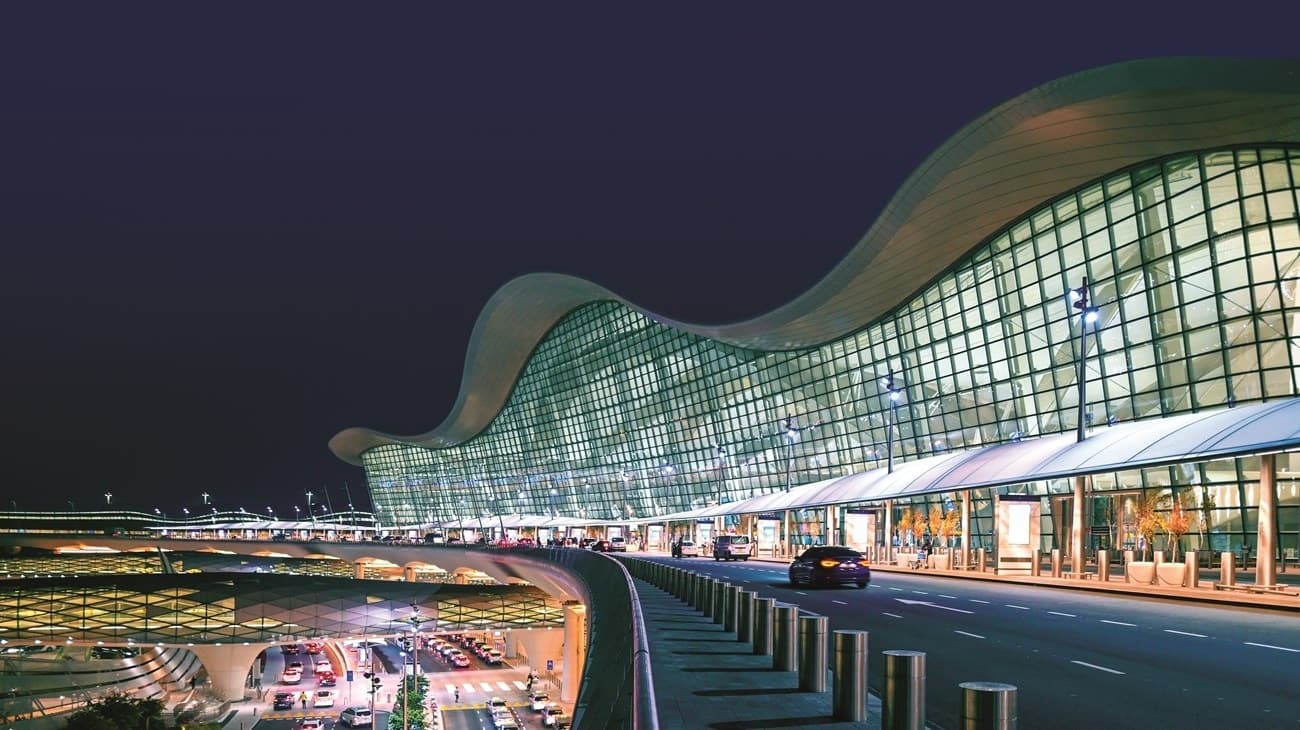
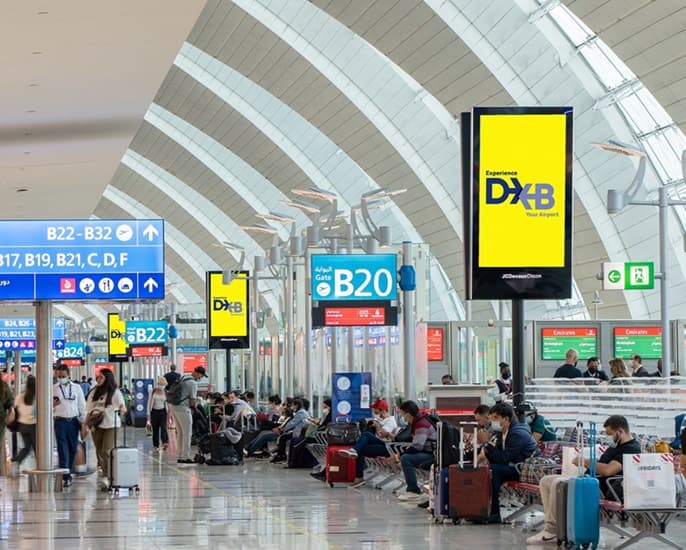
Dubai Airports has announced that Dubai International Airport received 95.2 million passengers in 2025, growth of 3.1% compared with the previous year, making it the busiest year in the airport's history and the highest among the world's airports for international passenger traffic.
December closed 2025 as the busiest month in the airport's history, with Dubai International receiving 8.7 million passengers, growth of 6.1% compared with last year, while the final quarter was also the busiest ever, with 25.1 million passengers, an increase of 5.9% compared with the same period in 2024, according to a press release published on the Dubai Airports website.
Total flights in the final quarter reached 118,000, quarterly growth of 5%, bringing the total number of flights in 2025 to 454,800, an annual increase of 3.3%.
Despite continued growth in the number of flights, the average number of passengers per flight remained high at 214 passengers, reflecting the expanded operation of larger-capacity aircraft and high load factor efficiency, while the annual seat load factor reached 77.6%, a slight decline of 0.5%.
Dubai International handled 86.75 million bags in 2025, an annual increase of 4.95%, recording the highest baggage handling volume in a single year in its history, confirming Dubai International's commitment to the highest standards of operational excellence.
89% of inbound baggage for passengers ending their journey at the airport was delivered within 45 minutes of the aircraft's arrival, while the airport continued to achieve world-class baggage handling accuracy of 99.75%, equivalent to 2.47 mishandled bags per thousand passengers.
The average time taken to complete travel procedures also remained stable despite passenger traffic growing to new record levels, as 99.35% of departing passengers waited less than 10 minutes at passport control, 98.8% of passengers waited less than 15 minutes to complete arrival procedures, and security screening for 98.9% of passengers remained under 5 minutes.
India maintained its position as Dubai International's largest market with 11.9 million passengers, followed by Saudi Arabia with 7.5 million passengers, the United Kingdom with 6.3 million passengers and Pakistan with 4.3 million passengers, in addition to the United States, whose passengers through Dubai International reached 3.3 million.
2025 also saw notable growth in several markets: travel from China rose by 16.6% to 2.5 million passengers, Russia recorded growth of 6% to 2.8 million passengers, travel from Turkey rose by 6.7% to 2.2 million passengers, from Egypt by 14.3% to 1.8 million passengers, and from Italy by 12.5% to 1.6 million passengers.
At city level, London continued to top the list of the most popular destinations through Dubai International with 3.9 million passengers, followed by Riyadh with 3 million passengers, then Mumbai and Jeddah with 2.4 million passengers each, along with New Delhi with 2.2 million passengers.
By the end of 2025, Dubai International was connected to 291 destinations in 110 countries through 108 international airlines, strengthening its position as one of the most connected aviation hubs in the world.
For his part, Paul Griffiths, CEO of Dubai Airports, explained that while airport performance around the world is often associated with peak moments, long-term performance is determined by the ability to sustain those moments, and in 2025 Dubai International proved that record levels are no longer the exception but have become part of its normal operations.
He added that the consistency of our operations reflects the strength of the system under which the oneDXB airport community operates and its ability to coordinate even during the busiest and most demanding periods.
He noted that thanks to this coordination between the various components of the sector and the oneDXB airport community, we expect passenger traffic to reach about 99.5 million passengers in 2026.
To view the post on the Dubai Airports website, click here.