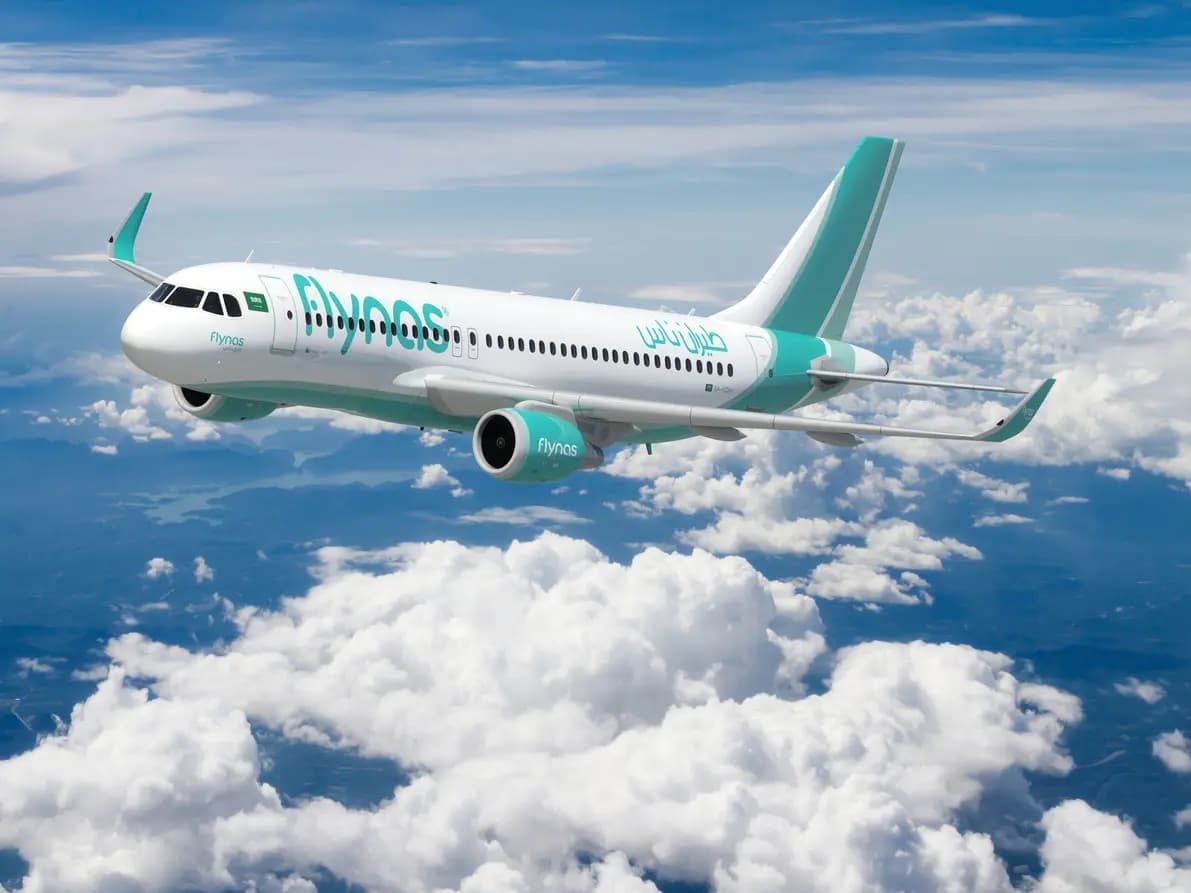
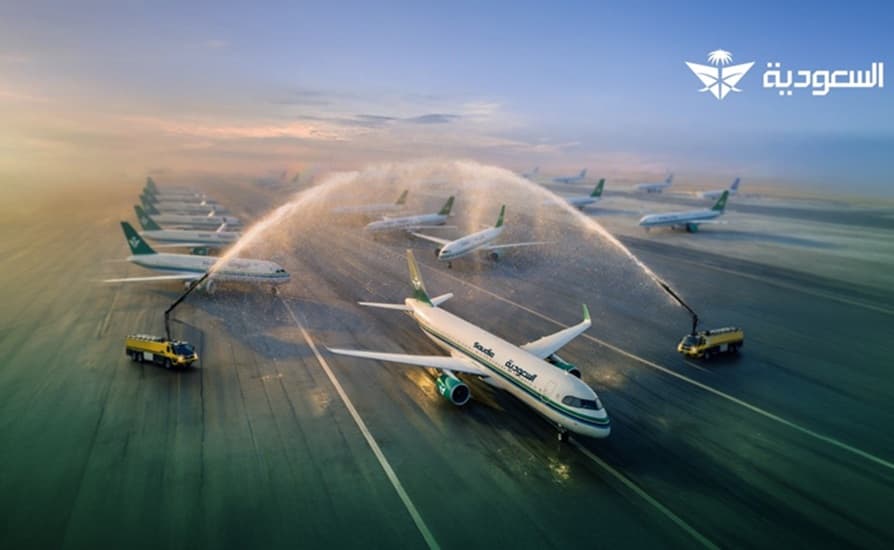
Saudia is preparing to receive 12 new aircraft during 2026 under aircraft purchase deals previously concluded with Airbus, as part of its ongoing program to grow and modernize its fleet, raising its total fleet to 161 aircraft by the end of the year.
The move is part of Saudia's strategy to boost the efficiency of its operations on its current destinations, enable expansion to new international destinations and support plans to connect the Kingdom with the world, in line with the Saudi Vision 2030 targets in the aviation, tourism, entertainment, sports and Guests of God service sectors, according to a post on its LinkedIn account.
The arrival of the Airbus A321neo is a continuation of the 2026 new aircraft delivery plan, which began with the first Airbus A321XLR aircraft joining the Saudia fleet, with more modern aircraft to be received throughout the year.
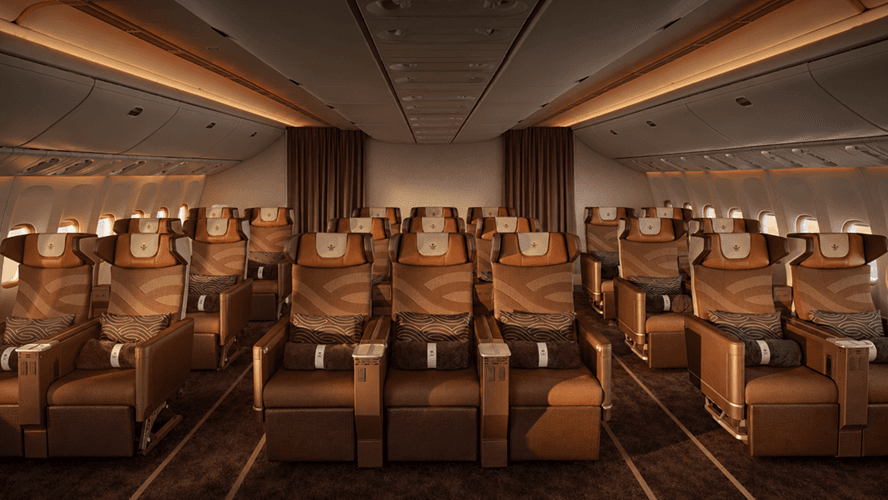
The A321neo cabin has 20 Business Class seats and 168 Guest Class seats, along with modern features aimed at improving the passenger experience and raising operational efficiency.
The new aircraft feature modern seats and high-speed inflight internet, as well as operational efficiency that supports sustainability targets and helps develop the travel experience across Saudia's network.
Eng. Ibrahim bin Abdulrahman Al-Omar, Director General of Saudia Group, explained that Saudia is continuing to implement its fleet growth strategy as a key element of competing in the aviation sector, adding that the plan is based on a study covering operational and marketing needs and the nature of target markets, as well as its alignment with the national strategies stemming from Saudi Vision 2030.
Al-Omar noted that operating the new aircraft requires a number of measures, including raising operational and maintenance capabilities, and confirmed that batches of aviation students and inflight service and maintenance trainees have completed their preparatory programs in line with international air transport industry standards, supporting operational commitments as aircraft continue to arrive.
He explained that Saudia continues to train more national talent in line with the large number of aircraft due to arrive in the coming years, as part of supporting local content and developing national skills in the aviation sector.
The continued expansion of Saudia's fleet supports increased air connectivity between the Kingdom and the world, enables tourism growth and strengthens Saudi Arabia's position as a global aviation hub.
To view the post on Saudia's LinkedIn account, click here.