Hussein Sherif: We aim to expand our fleet to 80 aircraft by 2029
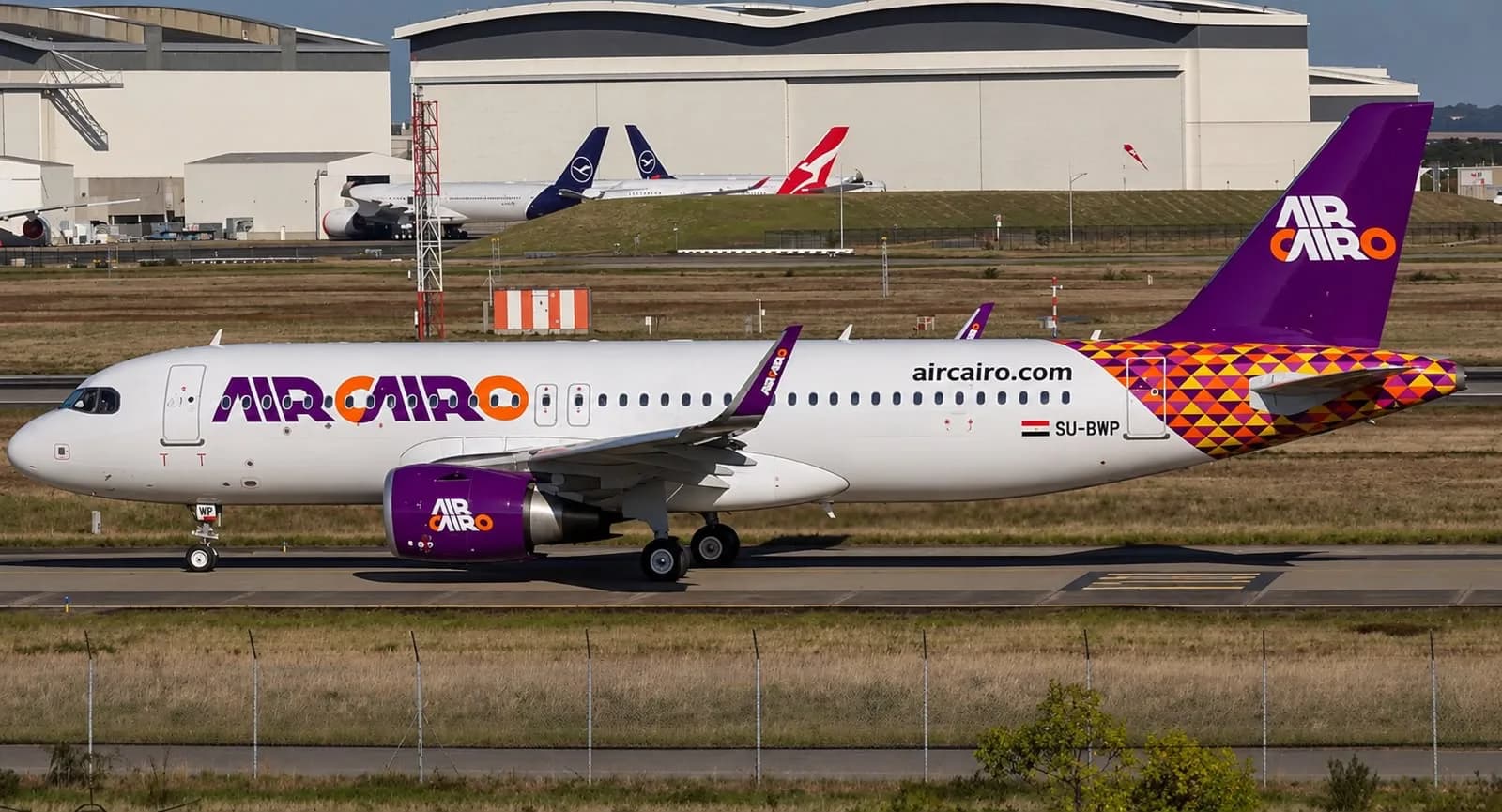
Air Cairo today took delivery of a new Airbus A320neo aircraft, which has joined its fleet as the airline’s 44th aircraft and the 22nd of this model, strengthening its operational capabilities and supporting its expansion plans for the coming period.
The addition of the new aircraft marks another milestone in Air Cairo’s journey towards a more ambitious phase of growth, during which it aims to strengthen its presence in regional and international markets and consolidate its position as a national Egyptian airline with an increasingly prominent role in the air transport industry, as well as a key contributor to supporting tourism and travel and enhancing air connectivity between Egypt and countries around the world.
In this context, Hussein Sherif, Chairman of Air Cairo, said the company is pursuing an ambitious strategy aimed at bringing about a qualitative leap in the scale of its business and operational capabilities. He noted that the plan targets increasing the airline’s fleet to 80 aircraft by 2029, reaching 134 aircraft by 2034.
He explained that these targets reflect confidence in the company’s future and its ability to sustain growth, while embodying Air Cairo’s vision of moving into a new phase of expansion and influence in the regional and international aviation industry.
He added that the company’s strategy is not limited to increasing the number of aircraft, but is based on the comprehensive development of its business model. This includes carefully planned expansion of its route network, improving operational efficiency, upgrading its technological infrastructure, enhancing customer services and investing in human resources, thereby strengthening the company’s competitiveness and enabling it to offer an integrated travel experience that meets international standards and the expectations of different passenger segments.
He pointed out that fleet renewal is one of the main pillars of this strategy, as it provides greater operational efficiency and flexibility in flight planning and air network management. It also supports the company’s ability to meet growing demand for travel and tourism, expand existing destinations and open up new markets.
He affirmed that Air Cairo makes an active contribution to increasing inbound tourism to Egypt and enhancing the position of Egyptian tourist destinations on the global travel map.
For his part, Ahmed Marei, Head of Planning at Air Cairo, explained that the company is working to make optimal use of its operational capabilities and maximize fleet management efficiency by examining promising opportunities in regional and international markets and developing balanced expansion plans that ensure sustainable growth rates and support the implementation of its strategic targets over the coming years.
Meanwhile, Ahmed Aziz, Air Cairo’s Chief Commercial Officer, said the rapid growth of the company’s fleet is a key pillar in implementing its commercial expansion plans, strengthening its presence in regional and international markets, increasing frequencies on existing routes and launching new services that meet the needs of travel and tourism. He added that the company is also seeking to strengthen partnerships with tourism companies, tour operators and aviation industry partners, diversify its sales and distribution channels, and develop the products and services offered to customers.
In a related development, Captain Sherif Riad, Head of Operations at Air Cairo, noted that fleet expansion is being accompanied by the continuous development and improvement of the company’s operational system, ensuring its readiness to accommodate the targeted increase in operational volume, flight numbers and destinations, while adhering to the highest standards of safety, quality and operational regularity.
He added that the company is working to improve flight planning and operations mechanisms, enhance aircraft utilization, and strengthen integration among its various operational and technical departments. This also includes investing in the training and development of its human resources to maintain high performance standards and keep pace with international air transport industry standards.