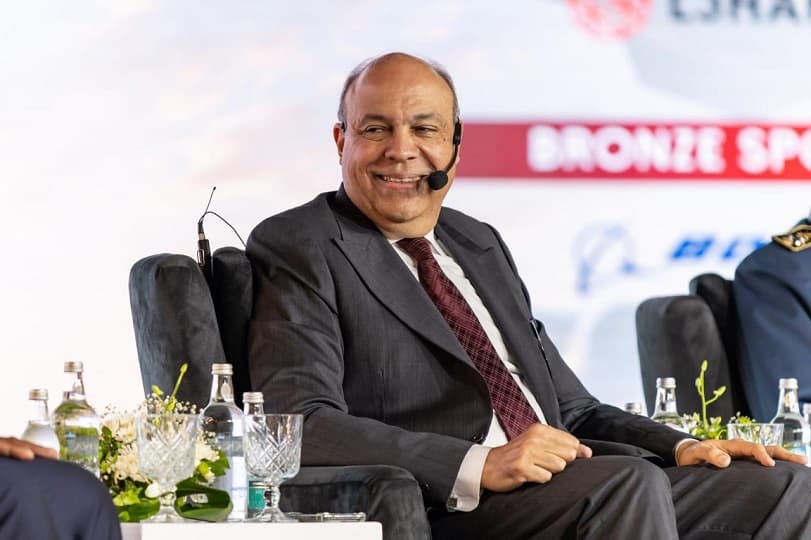
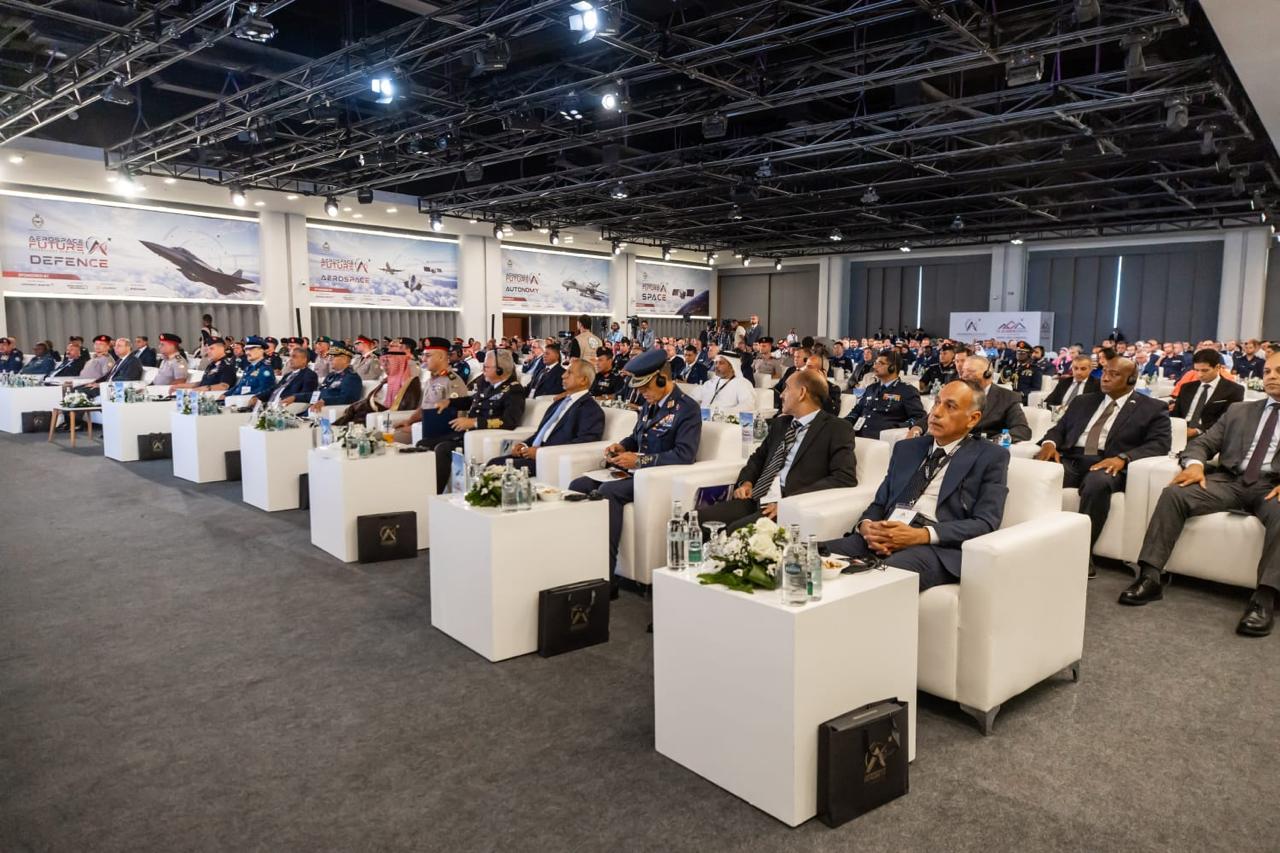
As part of the events accompanying the launch of the second edition of the El Alamein International Aerospace Show (EIAS 2026), Egypt's Minister of Civil Aviation Dr. Sameh El Hefny took part in the Aerospace Future Technology Symposium, held in the Heritage City in New Alamein. It was attended by the Commander-in-Chief of the Armed Forces and Minister of Defense and Military Production, the Commander of the Air Force, the CEO of the Egyptian Space Agency, a number of senior armed forces commanders, and heads and representatives of major international, Arab and African companies and institutions in the aviation, space, defense and technology sectors.
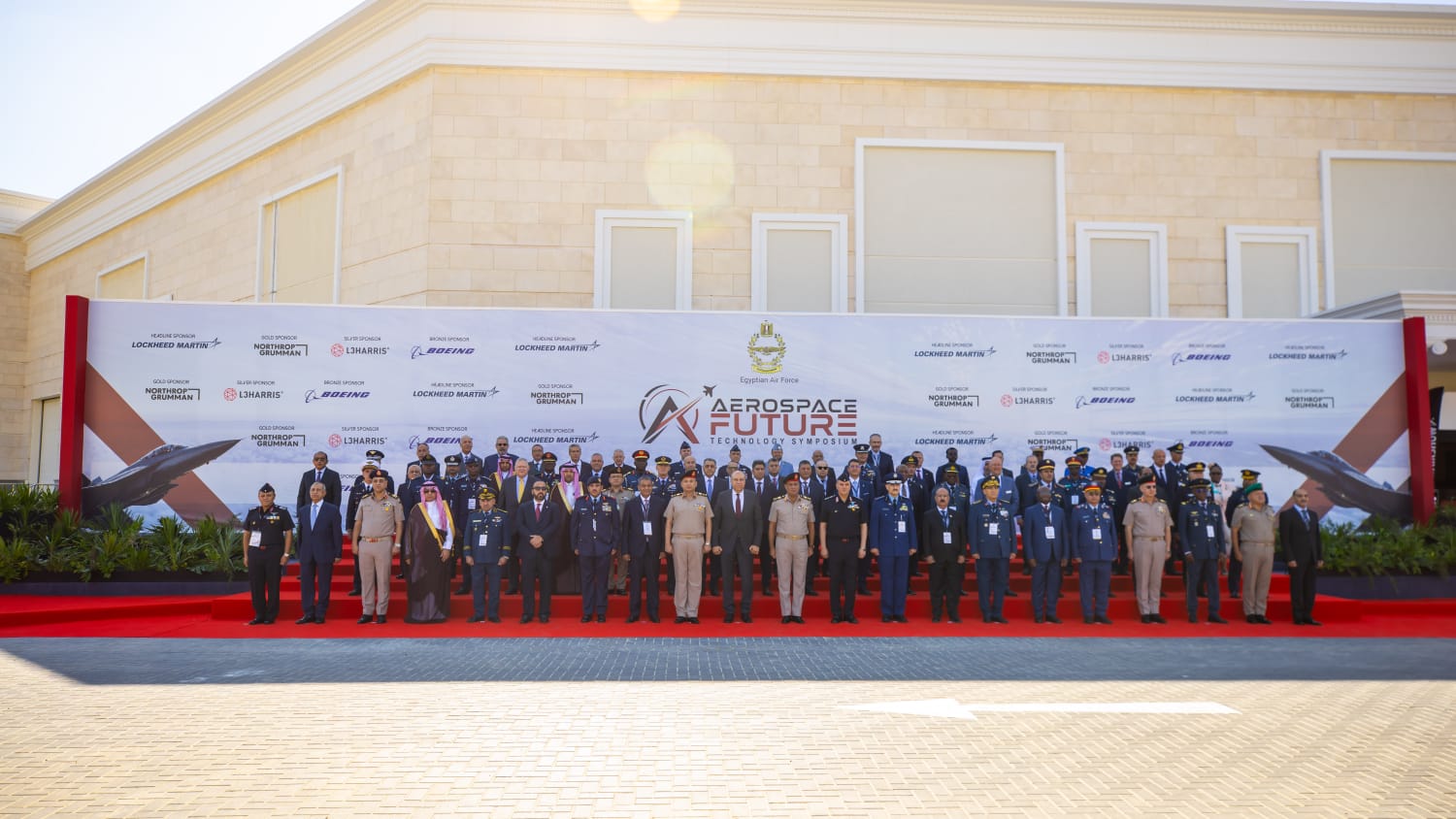
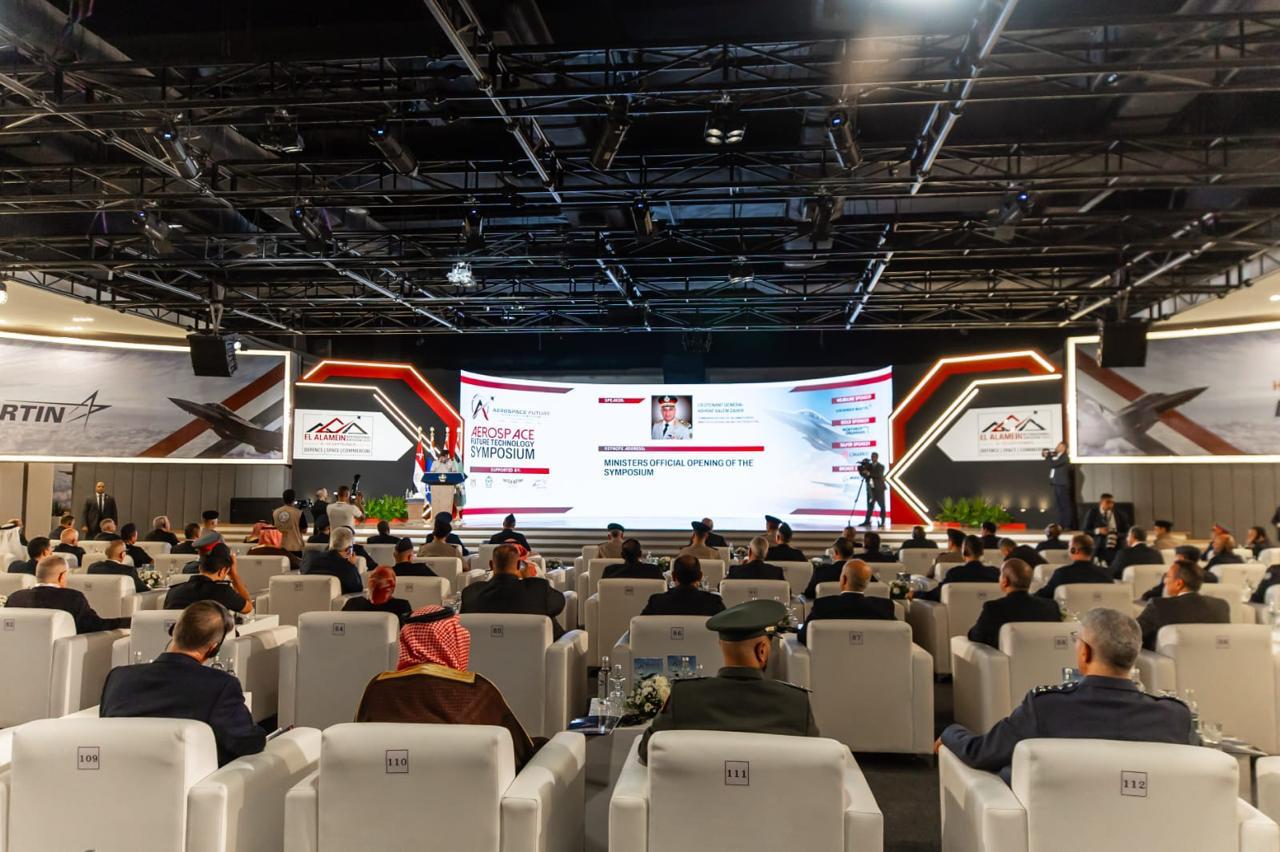
The symposium is a strategic platform bringing together decision-makers, experts and leading specialized companies to exchange expertise, explore future cooperation and partnerships, and discuss the key trends and technologies shaping the future of the aviation, space and defense industries, led by artificial intelligence, autonomous systems and human-machine integration, as well as the evolution of air capabilities and multi-domain operations, and the future of the human talent and skills needed to work with operating systems that increasingly rely on advanced technologies.
The symposium featured a number of keynote speeches and panel discussions on the evolution of air capabilities, the role of artificial intelligence in supporting decision-making and air and space operations, preparing the next generation of pilots and specialists, the future of autonomous operation and the integration of aviation and space systems, and the use of data to support operational decisions.
During the symposium, the Minister of Civil Aviation took part in the panel discussion "AI, Automation & The Future Aviation Workforce," which addressed the impact of artificial intelligence on the aviation workforce, the reshaping of jobs, responsibilities and required skills, and the requirements for preparing personnel to work in operating environments increasingly dependent on smart systems.
The panel was moderated by retired General Charles Hooper, with the participation of Dr. Sameh El Hefny; Lieutenant General Mohamed Hajem, Chief of Staff of the Tunisian Air Force; Abdulaziz bin Abdullah Al Duailej, President of Saudi Arabia's General Authority of Civil Aviation; and Air Marshal Umesh Yalla, Air Officer Commanding-in-Chief of the Indian Air Force's Maintenance Command.
El Hefny said artificial intelligence and automated systems will lead to the automation of more tasks and the reshaping of a number of professional roles in aviation, without this meaning a reduced role for the human element. Rather, it means redefining human responsibilities to focus more on supervision, evaluation, decision-making and handling exceptional situations, especially those related to safety.
He explained that the aviation industry is moving toward relying on personnel who combine specialist expertise with knowledge of technology and artificial intelligence, and who can understand the capabilities and limits of smart systems, monitor their performance, evaluate their outputs and intervene when needed. He noted that keeping pace with this shift requires developing training, qualification and simulation systems to build critical thinking skills, situational awareness, automation management and the ability to handle system failures or loss.
In this context, El Hefny pointed to the results of the International Civil Aviation Organization's (ICAO) 2026 AI Governance Survey, which showed that data analysis and decision support top the areas of current or planned AI use at 73%, followed by training and simulation at 50%, and air traffic management and airport operations at 43% each. The survey also showed that only 3% of participants have a comprehensive AI governance framework in place, compared with 12% with a framework under development, with a shortage of specialized expertise and the need to develop international standards and guidance among the main challenges.
The minister stressed that technological development must be matched by similar development in regulation, governance and oversight capabilities, explaining that this approach is consistent with discussions at ICAO's 42nd Assembly on developing more comprehensive and coordinated frameworks for applying AI in aviation. He added that innovation, human capacity development and governance must advance in parallel, ensuring the safe and responsible use of technology and preserving human expertise and decision-making ability as two key pillars of the safety and sustainability of aviation operations.