Tourist numbers expected to grow to 23.8 million by 2030
Egypt accounts for 37.1% of hotel rooms under development in Africa
The Grand Egyptian Museum, hotel expansion and infrastructure development are the main growth drivers
The Cabinet's Information and Decision Support Center reviewed the latest report by BMI, a Fitch Solutions company, on the outlook for Egypt's tourism sector. The report expects tourist arrivals and tourism revenue to keep growing through 2030, driven by expanding hotel capacity, infrastructure development and the opening of the Grand Egyptian Museum, along with efforts to diversify source markets and ease travel procedures.
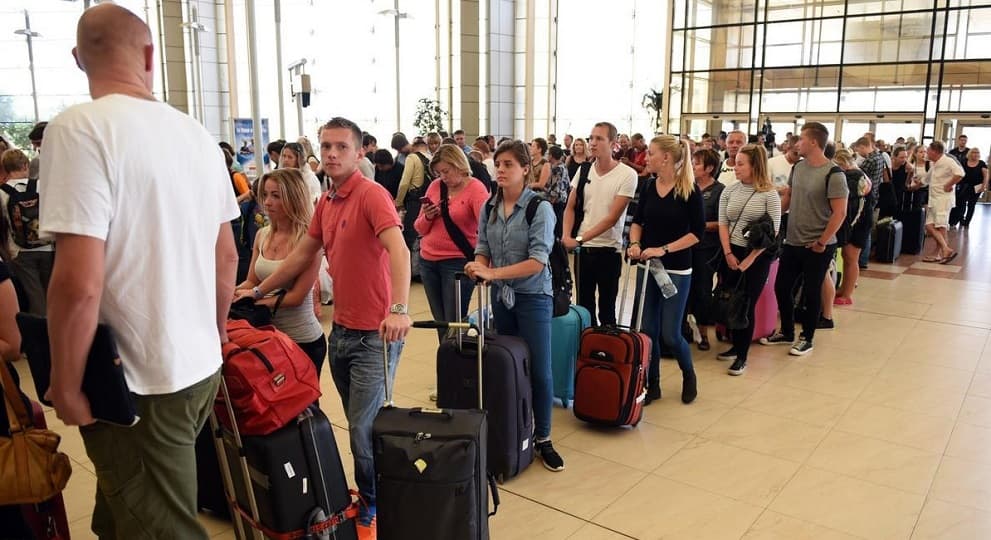
The report said tourist arrivals to Egypt are set to rise 6.3% in 2026 to about 20.19 million, compared with about 19 million in 2025, and to keep rising to 23.78 million by 2030, an average annual growth rate of 4.6%.
On tourism revenue, the report expects receipts to rise from $18.58 billion in 2026 to $21.15 billion by 2030, reflecting the sector's continued importance as a major source of foreign currency and its role in supporting economic activity and creating jobs.
It also expects the gross value added of the accommodation and food services sector to grow 20.2% year on year in 2026 to about EGP 508.4 billion, continuing to rise to about EGP 757.9 billion by 2030, according to the report's estimates.
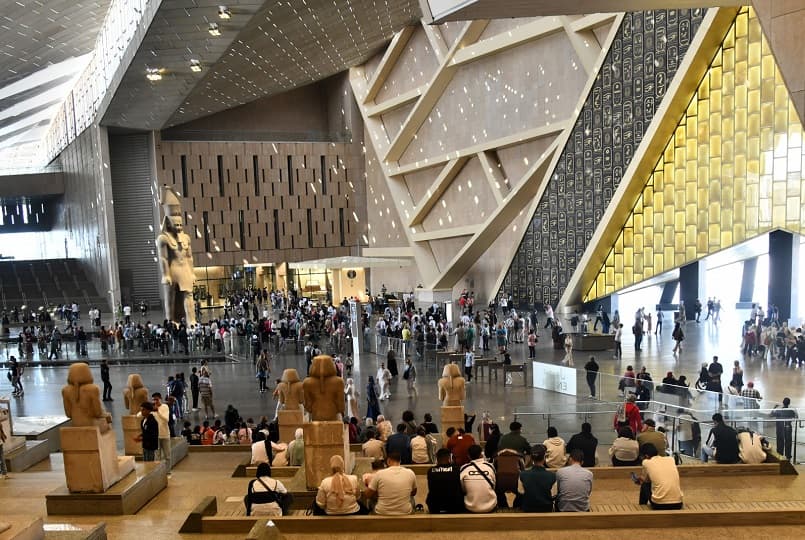
The report highlighted the Grand Egyptian Museum's pivotal role in boosting the appeal of the Egyptian destination, noting that its opening in November 2025 was an important addition to Egypt's tourism and cultural assets and strengthened its presence on the global tourism map. According to the report's figures, the museum receives about 15,000 visitors a day, with visitor numbers expected to reach about 5 million a year.
The report noted that the museum offers opportunities to boost cultural tourism and encourage visitors to extend their stays by linking a visit to the museum with other archaeological and tourist sites, helping to increase tourism spending and maximize the economic return.
On capacity, the report highlighted that Egypt accounts for about 37.1% of all hotel rooms under development in Africa, with 185 hotels comprising more than 45,900 rooms, amid plans to increase hotel capacity to between 484,000 and 500,000 rooms in the coming years.
The report said hotel expansion is one of the main requirements for absorbing the expected increase in tourist numbers, especially during peak seasons, along with the importance of improving service quality and strengthening the competitiveness of the Egyptian destination.
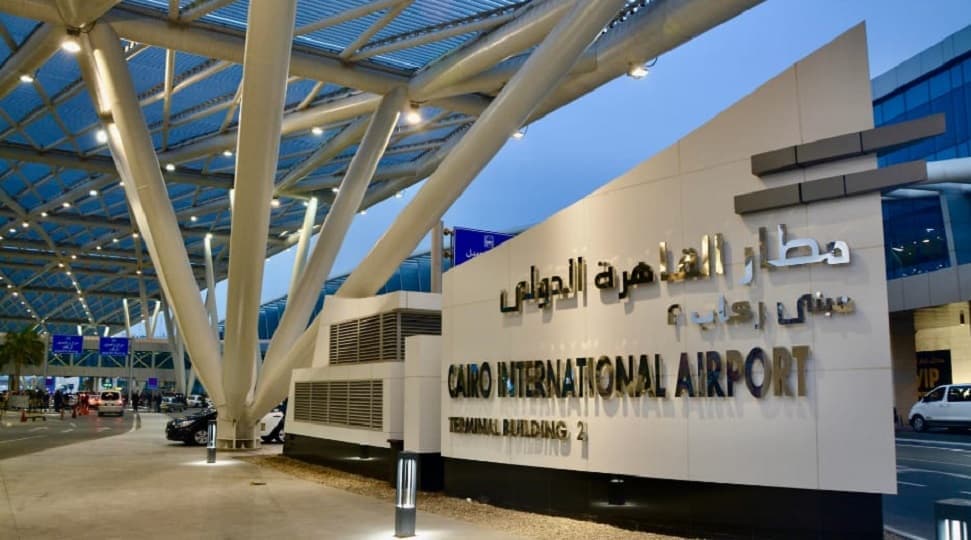
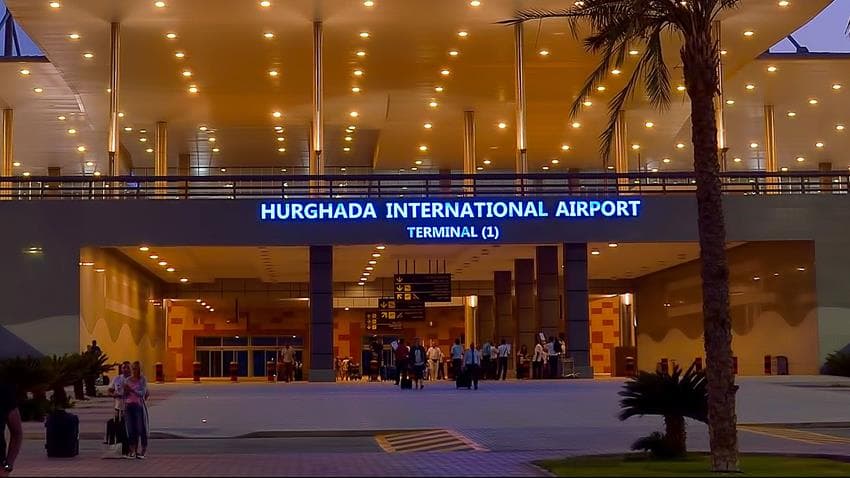
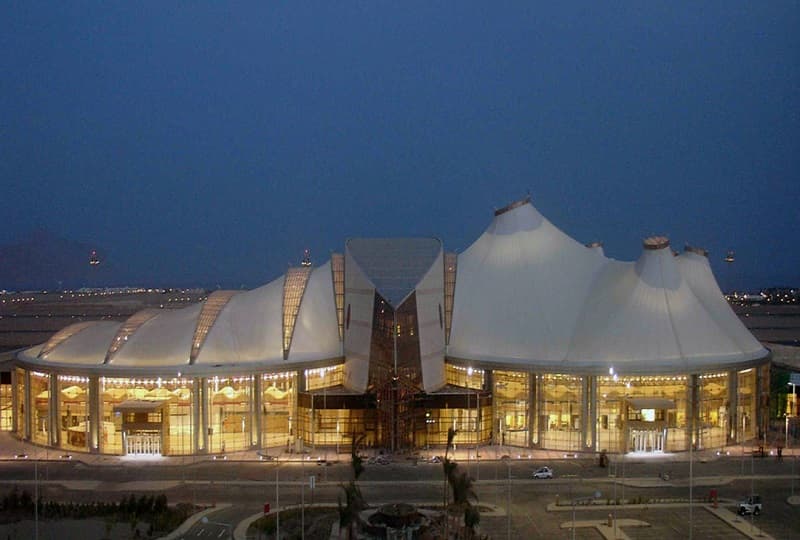
The report also addressed the role of investment in developing tourist destinations and infrastructure, led by the Ras El Hekma and New Alamein projects and the development of airports, transport networks and high-speed rail, helping to improve the tourist experience and ease travel between destinations.
It also pointed to the importance of digital transformation in simplifying travel procedures, noting the development of the e-visa system, which serves 118 nationalities, supporting easy access to the Egyptian destination.
On source markets, the report expects European markets to continue leading arrivals to Egypt, with tourist numbers from Europe rising from about 10.18 million in 2026 to 11.63 million by 2030.
It also expects arrivals from the Middle East to reach about 3.92 million in 2026, along with about 677,000 tourists from the United States.
The report noted the importance of diversifying source markets and expanding into promising ones, led by China, in light of efforts to attract one million Chinese tourists, helping to broaden the base of tourism demand and reduce reliance on traditional markets.
On the other hand, the report identified a set of challenges that could affect the expected pace of growth, most notably regional geopolitical tensions, air traffic disruptions and higher jet fuel prices, which could raise travel costs and affect tourism demand.
It also noted that keeping pace with the expected increase in tourist numbers requires expanding hotel capacity, developing the skills of hospitality workers and improving service quality, to maintain the competitiveness of the Egyptian destination and enhance visitor satisfaction.
The report said the economic opportunity for Egypt's tourism sector is not limited to increasing tourist numbers, but extends to maximizing the return from each tourist by increasing average spending and length of stay, diversifying tourism products and strengthening integration between tourism and other economic sectors.
In this context, expanding hotel investment, developing human resources, improving service quality and diversifying source markets stand out as key factors for capitalizing on the expected growth and turning the increase in tourist flows into greater economic value, while taking into account the risks linked to regional and international developments, according to the Egyptian Cabinet's official Facebook page.