Sherif Fathy affirms: The ministry places the training, qualification and development of human resources at the top of its priorities
The importance of investing in human resources and building talented young capabilities with the skills that qualify them to work in the tourism sector
Keeping pace with modern developments and the shift toward e-training as an effective and innovative tool
The ministry plans to launch an e-training platform to train and qualify employees of the ministry and the sector under the name (EGTAP.com)
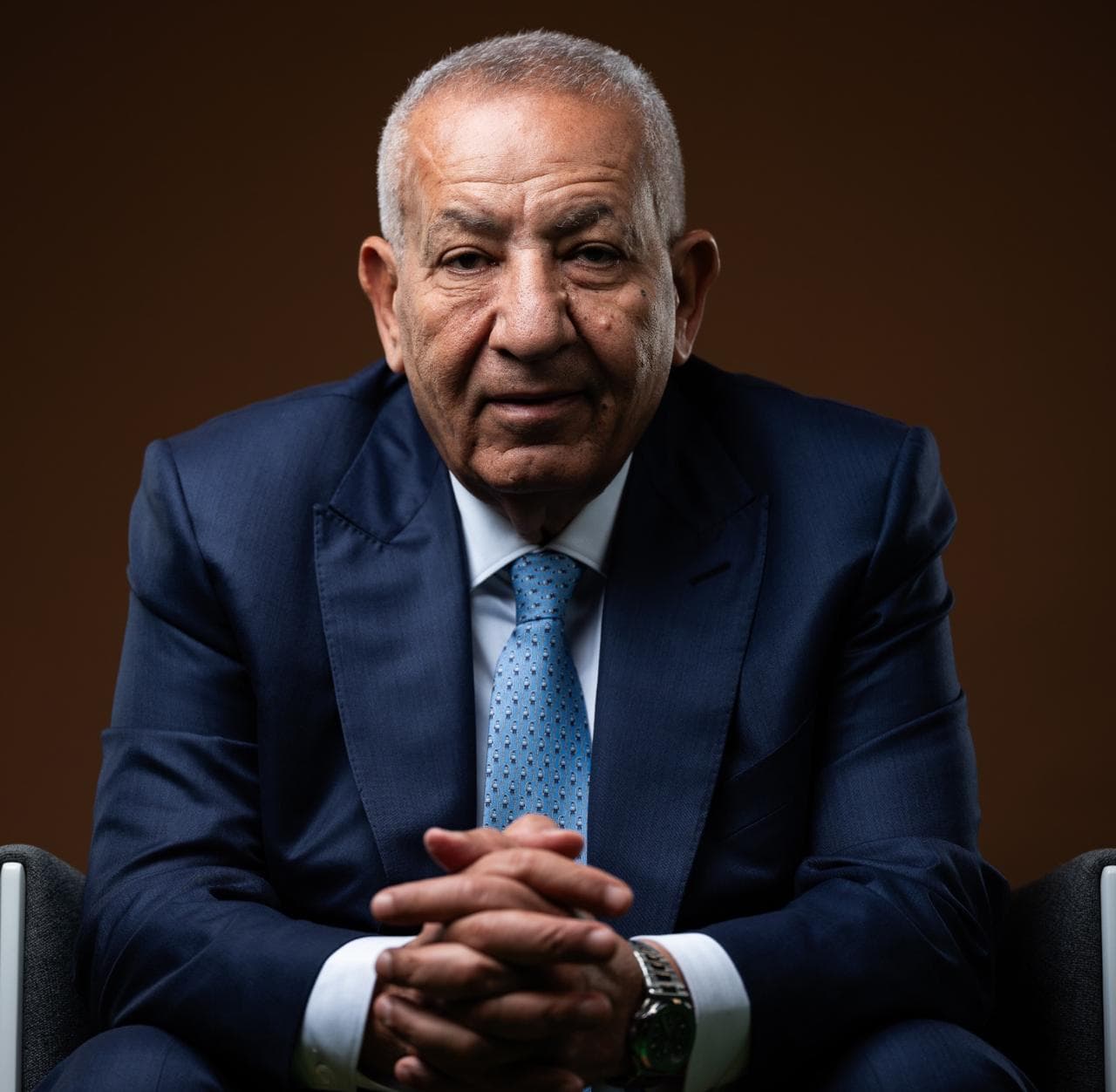
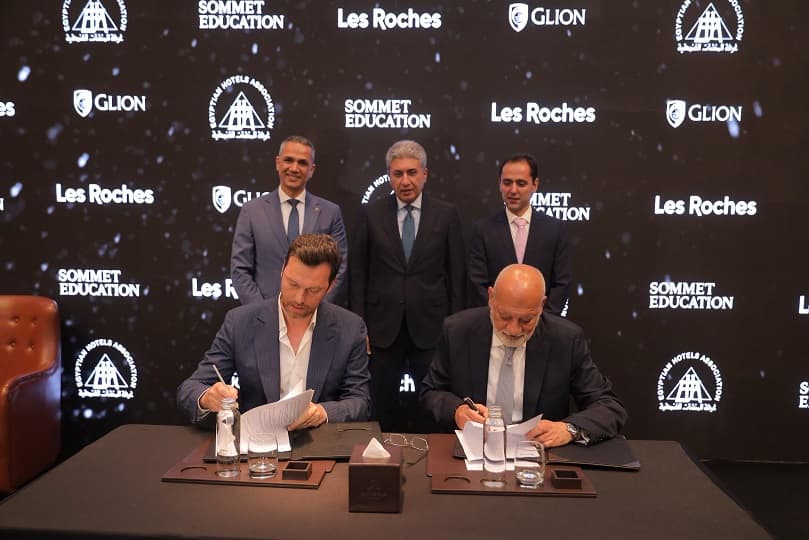
Sherif Fathy, Minister of Tourism and Antiquities, witnessed the ceremony announcing strategic cooperation protocols between the Chamber of Hotel Establishments and two of the world's leading international companies in digital hospitality and hotel training.
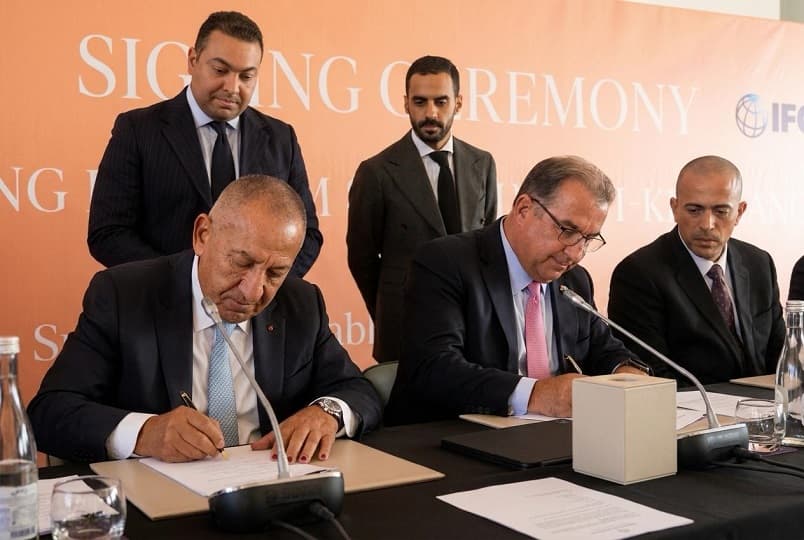
The first cooperation protocol was with Sommet Education, one of the leading international companies in Switzerland in hospitality, hotel and culinary arts training worldwide, with the aim of empowering Egyptian talent working in the hospitality sector, developing their skills and giving them international experience in this field. The partnership was signed during the announcement ceremony by Mr. Mohamed Ayoub, Chairman of the Board of the Chamber of Hotel Establishments, and Mr. Adrian Artemov, the group's Chief Commercial Officer.
The second protocol was with Lobster Ink, the world's leading educational platform for digital learning in the hospitality sector, with the aim of providing advanced, scalable and accessible training solutions to hotel workers across the country. What was agreed under this partnership was presented via video conference.

In his speech, Fathy stressed that the ministry is keen to place the training, qualification and development of human resources at the ministry and in Egypt's tourism and antiquities sector at the top of its priorities, noting the importance of investing in human resources and working to build capabilities, especially talented young people with specialized skills that qualify them to work in the tourism sector. He praised the importance of this in developing this vital sector and retaining the human resources within it, which is a long-term investment in the future of tourism.
He pointed to the need to diversify the training programs offered to sector workers and to rely on different training mechanisms and tools, stressing the importance of keeping pace with modern developments in training, especially the shift toward e-training as an effective and innovative tool, as it gives trainees the flexibility to choose the right time to learn and provides training content at a lower cost compared with traditional training. He explained that this type of training allows participants to enroll in more than one training course at the same time, helping to accelerate and broaden the acquisition of skills and expertise, and noted the importance of employing and benefiting from modern technologies, foremost among them artificial intelligence.
Sherif Fathy announced that the ministry intends, in the coming period, to launch an e-training platform to train and qualify employees of the ministry and the private tourism sector under the name (EGTAP.com), explaining that the platform will offer accredited, specialized and diverse training programs that keep pace with market requirements. He noted that the platform will be an interactive platform for communication and the exchange of expertise and knowledge, and will continuously evolve to adapt to future changes.

He explained that the ministry is keen to support various training initiatives, particularly those that can help provide wider opportunities for advanced training within local hotel chains and offer structured training opportunities open to international experiences, stressing that the diversity of training tools and openness to external expertise contribute to the exchange of knowledge and the refinement of the expertise and competencies of sector workers, enhancing their ability to keep pace with developments and achieve the highest quality standards.
In his speech, Mohamed Ayoub extended his thanks and appreciation to the Minister of Tourism and Antiquities for his continuous support for Egypt's tourism sector and his constant keenness to strengthen frameworks of cooperation and coordination with the Chamber of Hotel Establishments, serving the development of this vital sector. He also saluted the ministry and all its bodies for the efforts they are making within the framework of the Egyptian state's vision to strengthen this sector as a main pillar of the national economy.
He explained that the signing of new strategic partnerships is an important milestone and the beginning of a new and continuous phase of development and building, embodying the chamber's strong commitment to raising the efficiency of Egypt's hotel sector and upgrading the level of services in hotel establishments of all tourist grades by building qualified Egyptian hotel staff capable of competing and excelling in an ever-evolving global market. He noted that the chamber is taking measured steps toward building strong partnerships with leading educational institutions and advanced training platforms, enhancing hotel performance and raising the efficiency of hotel workers across the country.

Ayoub concluded his speech by renewing his thanks and appreciation to their partners at Sommet Education and Lobster Ink for their trust and constructive cooperation, and also extended his sincere thanks to the board members in charge of the chamber's training committee for their effort and dedication in making these important partnerships a success.
For her part, Ghada Shalaby, Executive Director of the Chamber of Hotel Establishments and former Deputy Minister of Tourism and Antiquities for Tourism Affairs, reviewed some of the chamber's efforts in training and qualifying hotel sector workers and implementing exchange education and field training programs nationwide, reflecting the chamber's commitment to developing human resources and enhancing their practical capabilities in various governorates of Egypt, in line with the approach set by the directives of the Minister of Tourism and Antiquities. She thanked the minister for his support for every initiative aimed at raising the efficiency of human resources and enhancing the competitiveness of Egypt's tourism sector.
She explained that these partnerships are an integral part of the future of the hospitality industry in Egypt and are in line with the Egyptian state's targets of receiving 30 million tourists annually, noting that this requires a high level of readiness at all levels, particularly service, which the chamber is working on directly through this comprehensive digital training program, targeting every job category and serving every hotel, whatever its location or classification.

She added that this complements the efforts made by the chamber last month, when it signed an agreement with Cornell University in the United States to offer specialized training courses in management, hospitality, digital transformation, artificial intelligence and marketing at significant discounts available through the chamber to all tourism sector workers. She noted that the chamber is continuing its field efforts through in-house training programs implemented within various hotel establishments in all governorates, through certified trainers who are qualified and fully funded by the chamber. She pointed out that the chamber has concluded a series of effective partnerships with a number of Egyptian hotel colleges and institutes to implement exchange education and summer training programs, ensuring the integration of academic education with practical training in the work environment.
Wael Abu El-Saud and Adham Garana, members of the chamber's board of directors in charge of training at the chamber, also presented the details of the two strategic partnerships announced today, which contribute to supporting the tourism training system and raising the efficiency of workers through cooperation with specialized international bodies.
Abu El-Saud spoke about the importance of the partnership with the Lobster Ink platform, which offers professional online training programs targeting all workers in the sector, especially operational staff at various hotel work sites, explaining that the training materials it provides will also be available on the e-training platform that the ministry will launch soon, helping to benefit from and integrate all training efforts.

He added that under this partnership, hotels that are members of the chamber will receive specially designed digital learning paths aimed at raising service quality, improving performance and fostering a culture of continuous development, along with workshops, introductory sessions and nationwide campaigns to help hotels implement the platform effectively. He explained that the platform will offer more than 250 training programs and target 80,000 people working in Egypt's tourism sector, completely free of charge for three years with joint support from the ministry and the Chamber of Hotel Establishments, and that these training programs will be posted on the ministry's website as well as the chamber's website.
Adham Garana explained that the partnership with Sommet Education will extend for two years and includes its affiliated Glion Institute of Higher Education and Les Roches. He noted that under this partnership, qualified employees of Chamber of Hotel Establishments members will have access to postgraduate and executive hospitality programs at Glion and Les Roches at exclusive preferential rates. Both institutions are accredited by the New England Commission of Higher Education (NECHE) and offer distinguished programs in hospitality, luxury, tourism and event management, providing a global perspective and direct career opportunities for graduates. He added that the Sommet Education Foundation, the group's non-profit entity, will offer one full scholarship for one of the programs mentioned, to be awarded to an outstanding Egyptian candidate based on need criteria.

The event was attended by MP Nora Ali, Chair of the Tourism and Aviation Committee of the House of Representatives; Eng. Ahmed Youssef, Assistant Minister for Strategic Departments and Acting CEO of the Egyptian Tourism Promotion Authority; Mohamed Amer, Head of the Central Administration of Hotel Establishments, Shops and Tourism Activities; Dr. Ahmed Rahima, Aide to the Minister for Human Resources Development; and Dr. Mohamed Shaaban, Aide to the Minister of Tourism and Antiquities for Digital Services, along with a number of representatives of Egypt's tourism sector.
About Lobster Ink
Lobster Ink is a globally recognized digital training platform that delivers measurable learning outcomes for hospitality brands around the world. It also provides high-impact, video-based training covering core areas of the hospitality sector such as guest experience, food and beverage, rooms management, housekeeping, compliance and leadership. By combining this engaging content with a data-driven approach, Lobster Ink helps hotels worldwide build high-performing teams, drive operational excellence and improve guest experiences. Lobster Ink is used in more than 130 countries and is trusted by major global hotel groups.
About Sommet Education
Sommet Education is a global leader in hospitality, luxury and culinary arts education and training. The group comprises five prestigious institutions: Glion Institute of Higher Education, Les Roches, École Ducasse, Invictus Education and the Indian School of Hospitality.
It offers more than 400 training programs, ranging from technical training to undergraduate and postgraduate degrees, executive education and business solutions, and supports more than 20,000 students and learners in 10 countries and more than 20 campuses, in addition to modern digital learning platforms. It also benefits from a global network of 60,000 alumni and curricula geared to industry requirements.