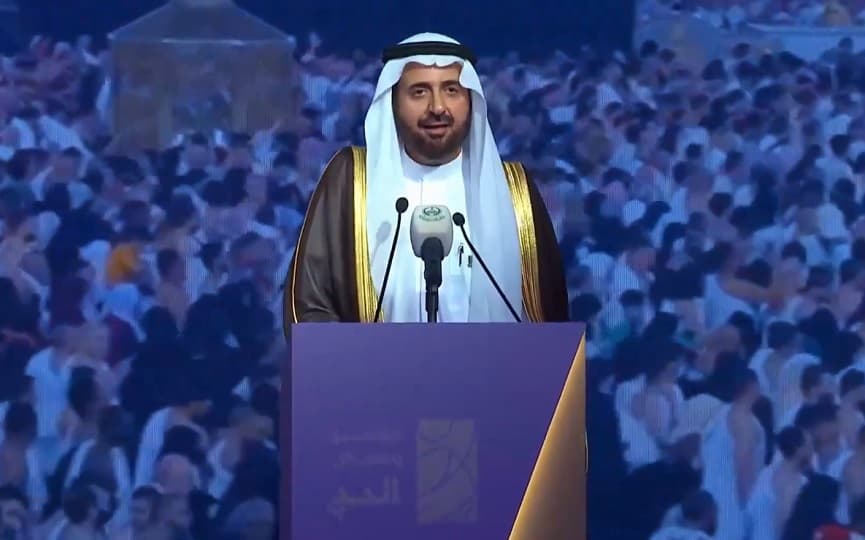
Tawfiq Al-Rabiah: 322,000 pilgrims benefited from the Makkah Route Initiative last year.
The “Pilgrim Without a Bag” initiative reduced average waits from 120 to 15 minutes and served 722,000 pilgrims.
Greater competition among Hajj service companies helped raise satisfaction to 81% in 1445 AH.
Saudi Hajj and Umrah Minister Tawfiq Al-Rabiah said more than 18.5 million Hajj and Umrah pilgrims arrived from outside the Kingdom in 2024. He spoke at the opening of the fourth Hajj Conference and Exhibition, taking place in Jeddah from January 13 to 16, 2025.
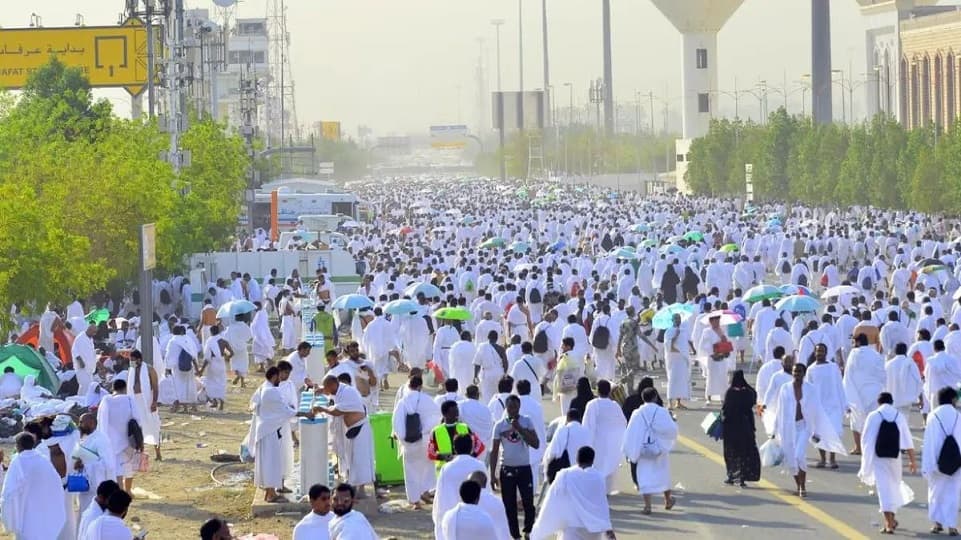
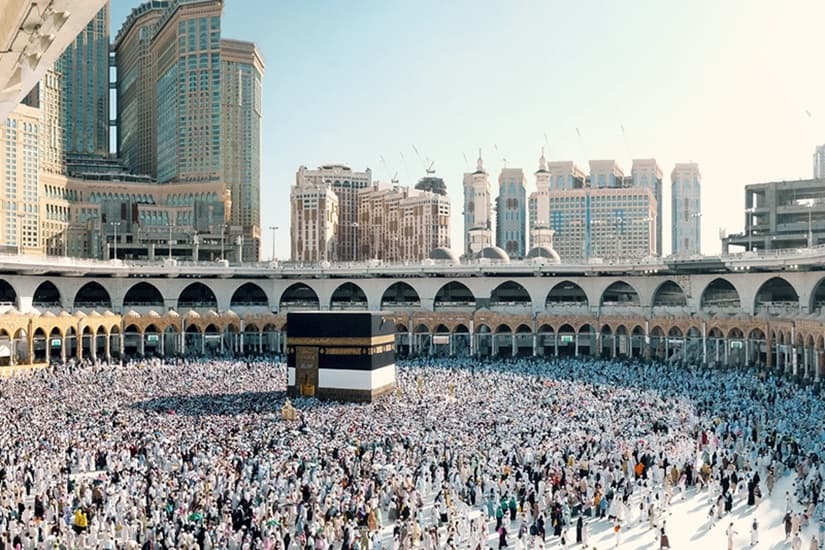
He said Muslims worldwide dream of Hajj and Umrah, journeys once marked by hardship but now made easier through development. A century ago, Hajj attracted 50,000 pilgrims; today it receives nearly two million worldwide. Travel between Makkah and Madinah once took seven to 14 days but now takes around two hours by high-speed rail.
The minister said service development is informed by listening directly to pilgrims and understanding their needs. Meetings with Hajj and Umrah pilgrims and visits to 33 countries generated proposals that helped improve services.
He reviewed 2,500 training programs benefiting more than 120,000 workers serving pilgrims.
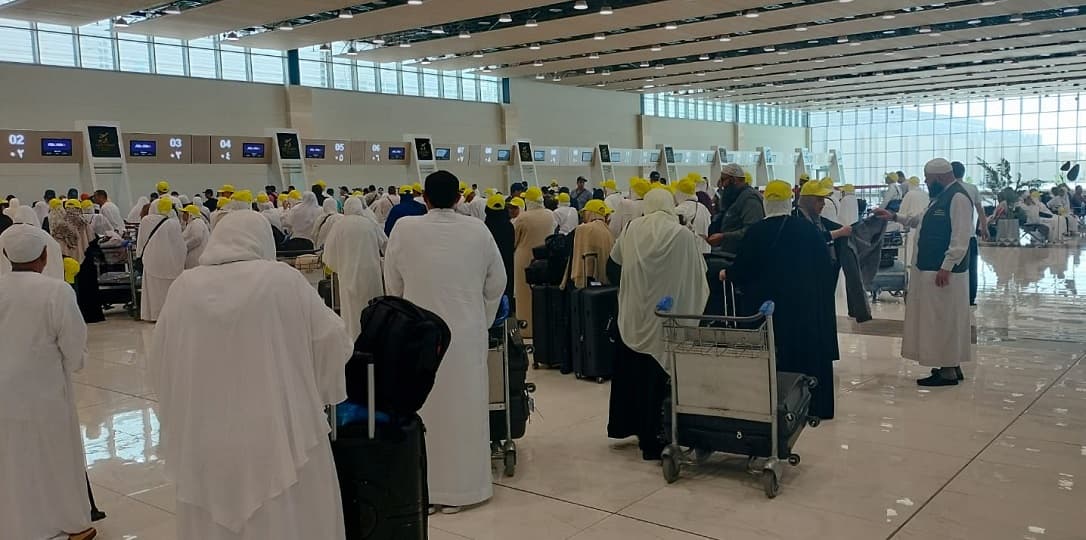
In cooperation with the Interior Ministry, the Makkah Route Initiative expanded to complete passport and baggage procedures in pilgrims’ countries of departure, benefiting approximately 322,000 people last year.
The “Pilgrim Without a Bag” initiative sends luggage directly to accommodation, reducing average airport waits from 120 minutes to about 15 minutes. It served approximately 722,000 pilgrims last year, nearly half of international Hajj arrivals.
Competition among service providers increased: six companies operated in 1443 AH, 20 in 1444 AH and 45 in 1445 AH. Pilgrim satisfaction rose from 74% to 81% between 1443 and 1445 AH.
Al-Rabiah said international participation in the conference grew from 87 countries last year to 95 this year. Participating companies and government bodies rose from 250 to 300. Attendance is expected to increase from around 100,000 to 150,000, and agreements from about 200 to an expected 250, according to the Hajj and Umrah Ministry’s official X account.
The Makkah regional governorate also participated to showcase its work, initiatives and services during Hajj and Umrah.
Through the Interior Ministry pavilion, it highlighted annual inspections of the holy sites by Prince Khalid Al-Faisal, adviser to the Custodian of the Two Holy Mosques, Governor of Makkah and Chairman of the Central Hajj Committee, and Deputy Governor Prince Saud bin Mishal, to assess readiness for pilgrims.
The pavilion also reviewed the “Hajj Is Worship and Civilized Behavior” campaign, launched 16 years earlier. It has helped prevent unauthorized Hajj, reduce violations, detect fraudulent campaigns and promote positive conduct during rituals.
The Pilgrim Experience Program, a Saudi Vision 2030 initiative, presented integrated projects involving nearly 40 government bodies under the theme “From Idea to Memory,” simplifying services from initial procedures to completion of the rituals.
Services through the Nusuk app cover electronic processes from visa booking to arrival, alongside health, security, tourism, historical destinations, Haramain railway, Makkah buses and hospitality. The app aims to remove difficulties pilgrims may encounter and support their comfort and care.
The pavilion displayed rare objects including the Kaaba door curtain, an interactive photo area and screens presenting program services, attracting strong visitor engagement.


Makkah Deputy Governor opens the exhibition
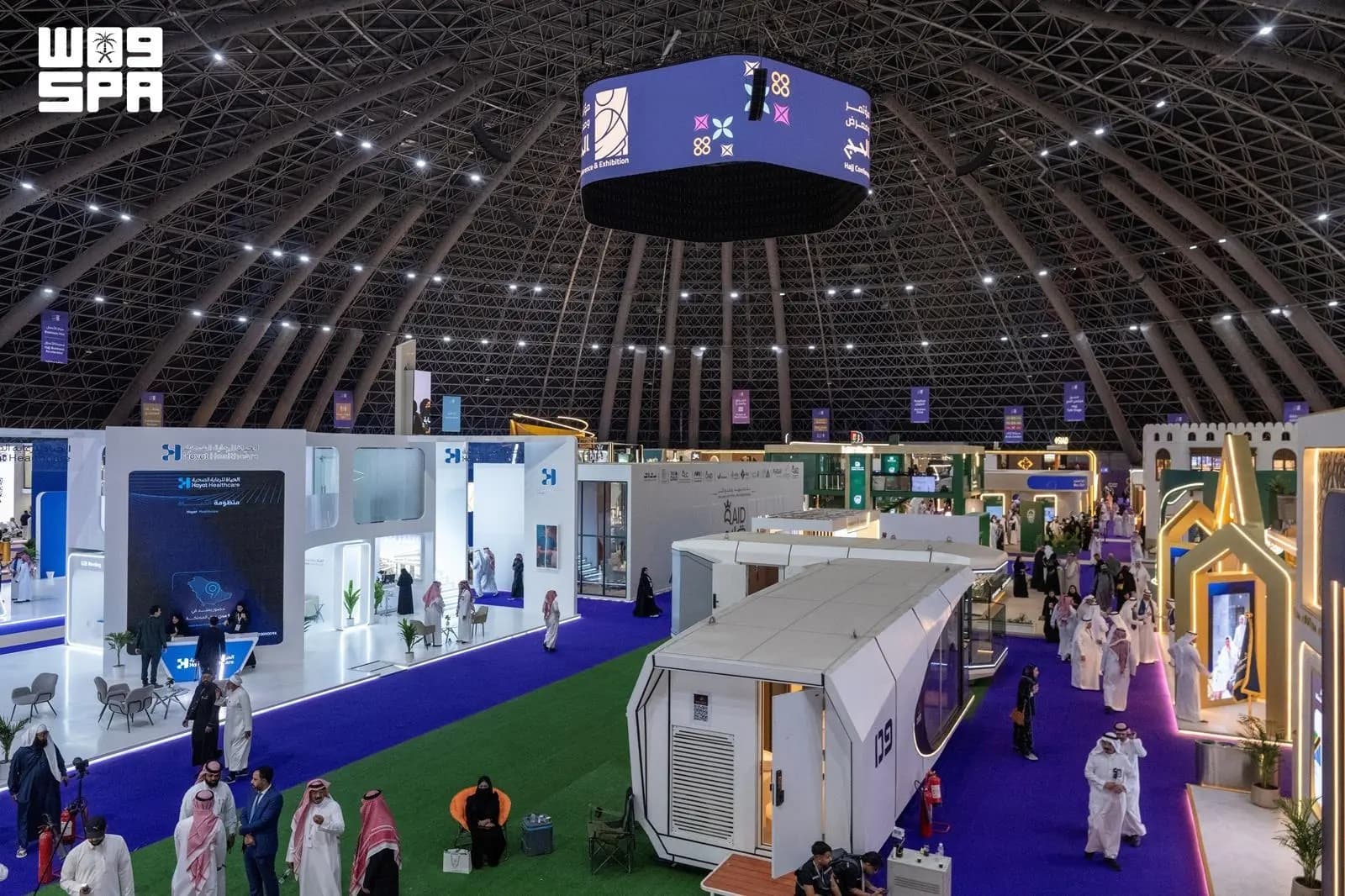
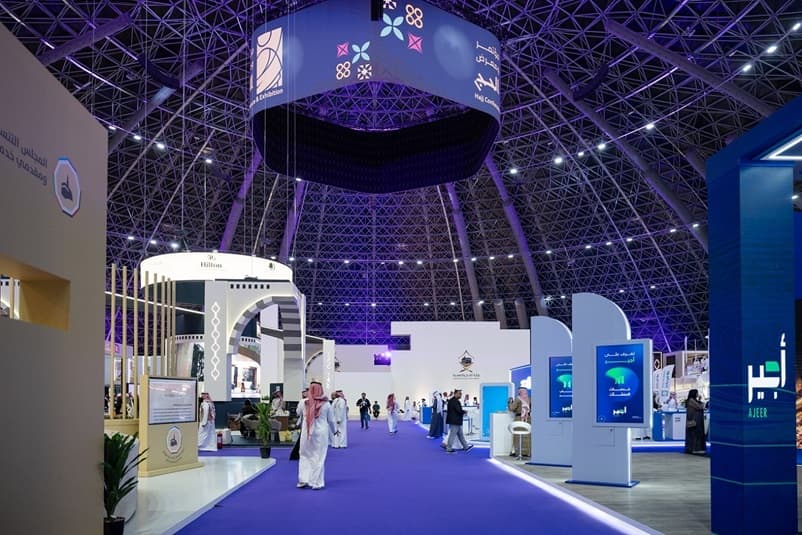
Under the patronage of King Salman bin Abdulaziz, Prince Saud bin Mishal opened the fourth Hajj Conference and Exhibition on Monday evening. Organized by the Hajj and Umrah Ministry with the Pilgrim Experience Program under the theme “The Road to the Rituals,” it runs January 13–16 at Jeddah Superdome.
He toured the 50,000-square-meter Hajj-services exhibition to view technology and services enriching pilgrims’ experiences.
In his address, the deputy governor conveyed King Salman’s greetings and said Saudi Arabia has been honored since its foundation to serve the Two Holy Mosques and care for pilgrims and visitors, safeguarding their security and facilitating rituals. He said development at the mosques and holy sites reflects the Kingdom’s commitment to improving Hajj and Umrah services, while Vision 2030 prioritizes care from arrival through safe departure. The Kingdom will continue this responsibility with awareness of the honor of service.
Conference figures
The conference is a strategic platform for exchanging expertise and promoting competition and transparency among providers. It brings together academics, researchers, pilgrims’ affairs offices, diplomatic missions and 250 public, private and nonprofit bodies. Discussions address sustainability, artificial intelligence, digital technology and support for entrepreneurship and innovation.
The event includes 280 exhibitors, more than 100 speakers, domestic and international providers and participants interested in Hajj from over 100 countries.
Fifty dialogue sessions consider the future of pilgrim-related sectors, with 150,000 visitors expected. Ministers, ambassadors and leading service companies are taking part to strengthen service quality, cooperation with pilgrims’ affairs offices and innovative, efficient solutions.
The previous edition saw 202 cooperation agreements, participation from 100 countries, 1,430 local and international media reports and more than 100,000 exhibition visitors.