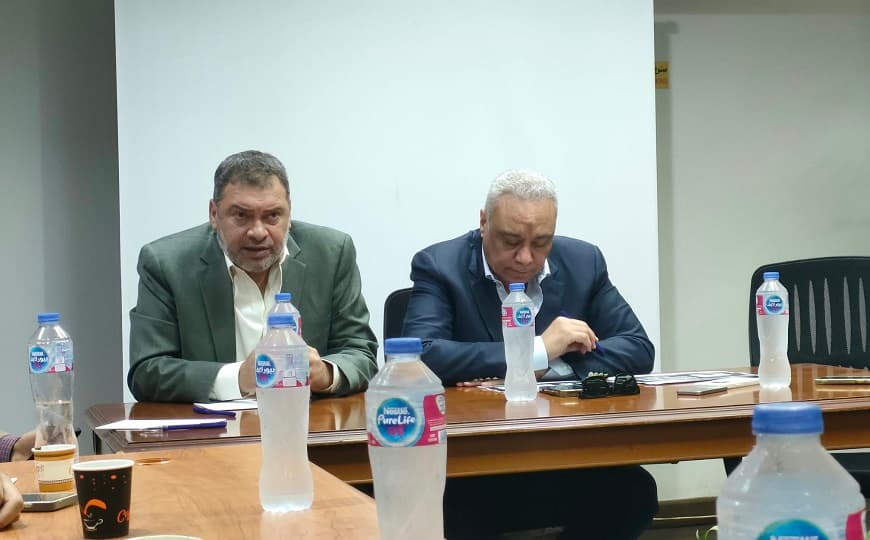
Walid Khalil, deputy chair of the Religious Tourism Committee and head of the committee combating unlicensed operators at the Egyptian Travel Agents Association, said coordination continued with the Ministry of Tourism and Antiquities and relevant authorities against unlawful entities, brokers and intermediaries operating outside tourism Hajj regulations. He noted strong demand for licensed companies because customers trusted their programmes, services and regulatory oversight.
Khalil said unregistered brokers sometimes dealt with numerous companies to maximize profit margins, potentially harming both customers and companies.
Illegal Hajj advertising on social media was being monitored and addressed promptly. Tourism companies had been instructed to formalize relationships with bloggers and marketers through official contracts. Cooperation with bloggers and celebrities was permitted, he said; prohibited conduct involved individuals advertising on their own behalf, collecting customers and applications, and trading them with companies. Licensed firms could contract influencers to advertise Hajj programmes, including as marketers. He said these measures had brought around 90% of blogger activity under control.
Advertisements must clearly identify the organizing company and its licence. Bloggers must not market tourism Hajj independently or act as intermediaries outside a licensed company. Companies were also warned against ambiguous advertisements that failed to identify the responsible organizer.
Khalil outlined forms of unlicensed activity and the corresponding response:
Unlicensed premises: a ministry committee accompanied by Tourism Police takes legal action, with administrative closure and referral of the owner to the Public Prosecution.
Facebook pages: impersonation of tourism companies is reported to the cybercrime authorities. Where an unofficial page works indirectly with a licensed company, the company owner must undertake not to deal with it.
WhatsApp messages and unidentified telephone numbers: these are addressed through the Ministry of Interior.
He said action against unlawful operators, brokers and non-compliant advertising primarily aimed to protect citizens and their rights and ensure that Hajj arrangements were made through licensed, regulated tourism companies.
Preparations for Hajj 1448 AH–2027 had begun early through committee meetings with companies, coordination with Egyptian and Saudi authorities, and a review of the previous season’s observations.
Khalil affirmed the tourism Hajj system’s commitment to pilgrims’ rights. He said the limited complaints from the previous season were not directly related to service quality but concerned other company-related matters.