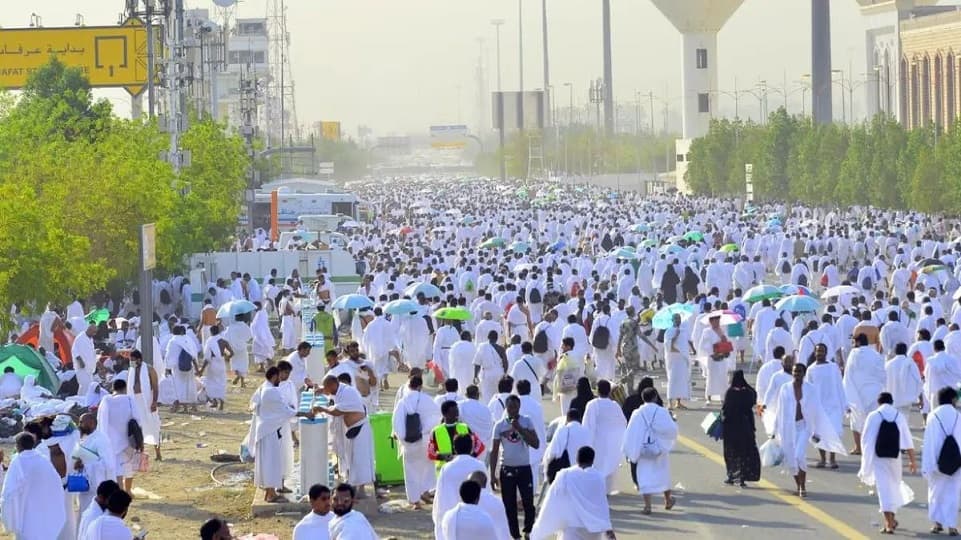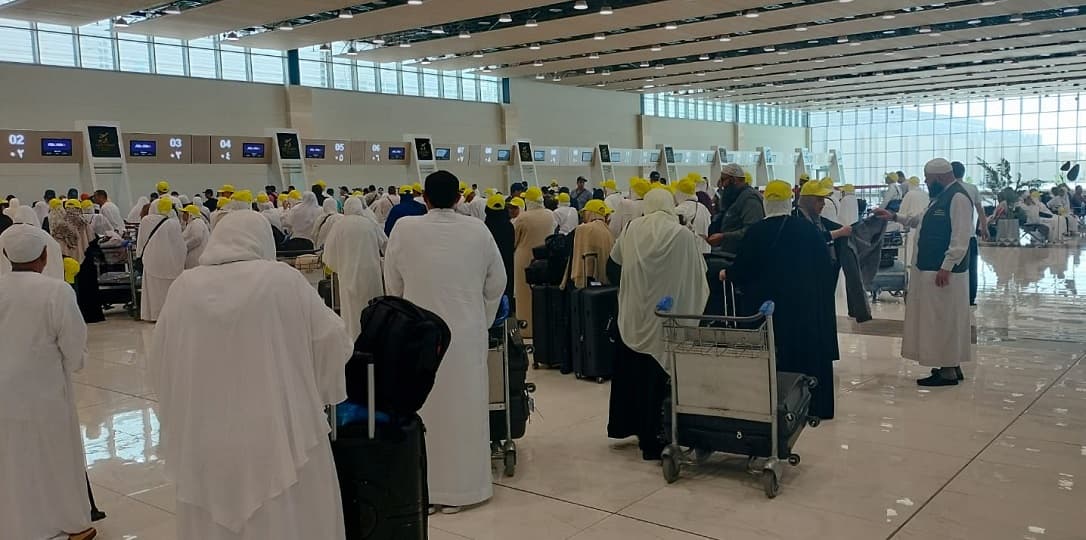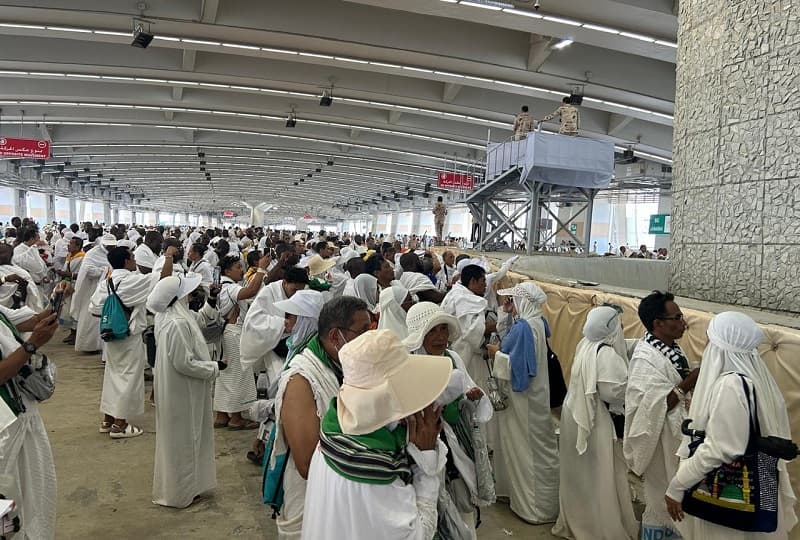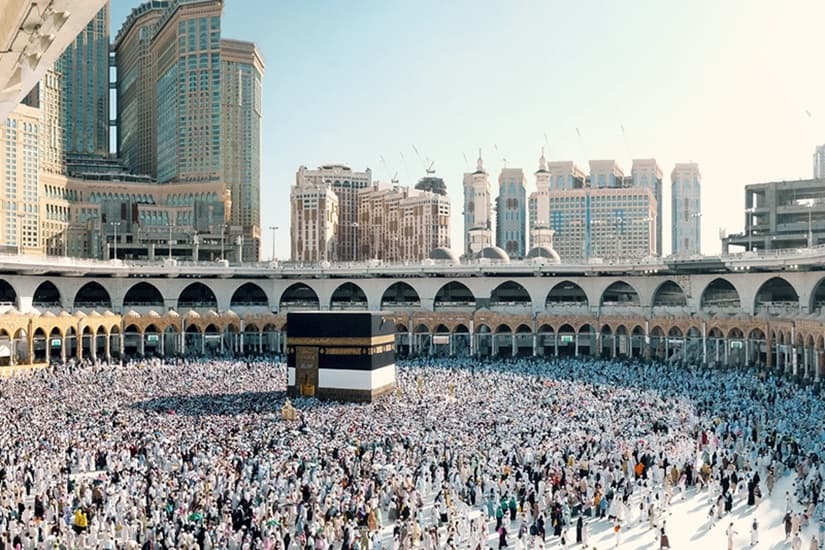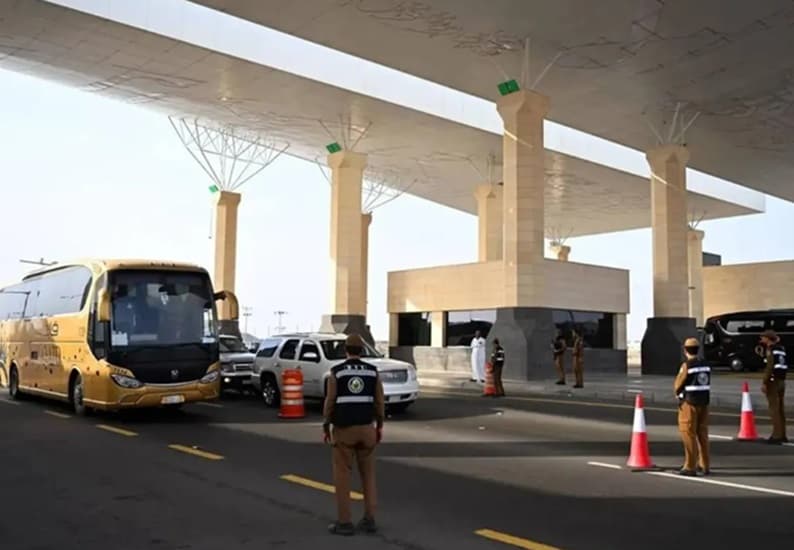
Saudi Arabia's Roads General Authority has announced the preparation of 10 main roads linking the Kingdom to 8 neighboring countries, as part of the transport system dedicated to serving pilgrims during the 1447 AH Hajj season, helping ease the journeys of Hajj and Umrah pilgrims arriving by land to Makkah and the Holy Sites.
The Authority explained that the land road network is one of the most important components of the Kingdom's integrated transport system, along with railways, ports and airports, playing a pivotal role in linking the Holy Sites with neighboring countries via routes developed and equipped to international standards to ensure smooth traffic and pilgrims' safety, according to a post on the Saudi Press Agency.
Kuwait's pilgrims take two main roads:
The first via Al Khafji, Al Nairyah and Riyadh to Makkah, 1,473 km long.
The second via Al Ruqi, Hafar Al Batin and Al Majmaah to Makkah, 1,277 km long.
UAE pilgrims:
UAE pilgrims take the Al Batha, Salwa, Al Hofuf, Riyadh and Taif route to Makkah, 1,514 km long.
Qatar pilgrims:
Qatar's pilgrims cross the Salwa, Al Hofuf, Riyadh and Taif road to Makkah, 1,385 km long.
Bahrain pilgrims:
Bahrain's pilgrims set off across the King Fahd Causeway to Al Khobar, then Riyadh and Taif, reaching Makkah over a total distance of 1,320 km.
Jordan's pilgrims travel via two routes:
The first route starts from the Halat Ammar border crossing, passing through Tabuk and Madinah to Makkah, 1,219 km long.
The second route runs from Al Haditha via Al Qurayyat, Sakaka and Madinah.
Iraq pilgrims:
They take the Jadidat Arar, Arar, Sakaka and Madinah road to Makkah, 1,579 km long.
Yemen pilgrims:
They flow through the Al Wadiah, Najran and Abha route to Makkah, 1,372 km long.
Oman pilgrims:
They take the Empty Quarter road via Umm Al Zamool, Al Batha, Salwa and Al Hofuf to Makkah, the longest of these routes at 2,150 km.
The Roads General Authority stressed that it began surveying and assessing the road network leading to the Two Holy Mosques early on, to ensure its readiness and apply the highest standards of quality and safety before the Hajj season.
Preparations included milling and resurfacing works, trimming road shoulders, removing sand dunes and cleaning valley channels, as well as checking the safety of barriers and warning signs along these routes.
The Authority noted that these efforts are part of its plans to raise safety levels on the road network according to the International Road Assessment Programme (iRAP) rating, supporting the targets of the Roads Sector Program to improve road quality and reduce fatality rates, and enhancing a safe and easy travel experience for the Guests of Allah.
To view the post on the Saudi Press Agency website, click here.