An analytical report has warned that continued geopolitical tensions in the Middle East could lead to a decline in international visitor numbers in the region in 2026 of between 11% and 27%, with potential annual tourism revenue losses of between $34 billion and $56 billion, while direct daily losses could reach about $600 million due to flight cancellations and lower tourism spending.
The report explained that tourism is one of the sectors most sensitive to security fluctuations, adding that any new escalation in the region threatens to close or restrict some airspace, divert travel to alternative destinations, lengthen flight times and raise operating costs, with a negative impact on tourism demand and international bookings, according to a post on the Arab Tourism Organization website.
Aviation Sector
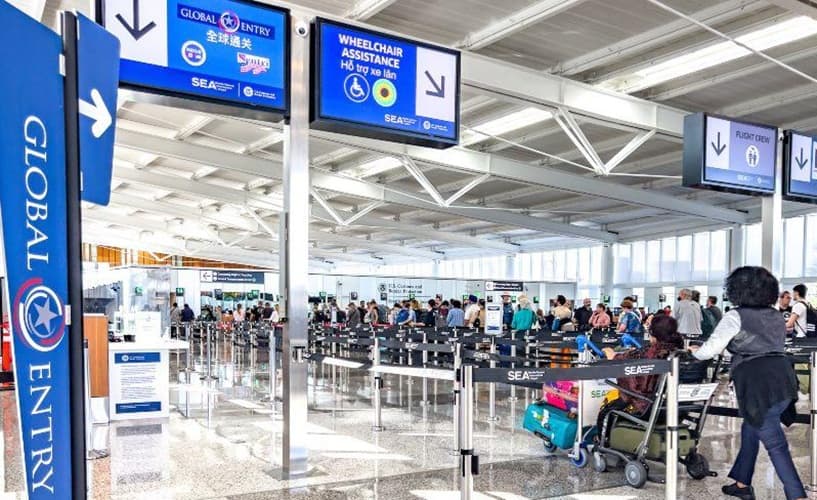
It noted that the impact of the crisis extended directly to the aviation sector, as the number of cancelled flights in the Gulf and Middle East region exceeded 8,100 in March, while some airports in the region lost about 50% of their immediate capacity after the closures, and some ticket prices between Asia and Europe rose by up to 560% in March due to rerouting, longer flight times and higher fuel consumption.
Supply Chains
The report explained that damage to the region's main air hubs, such as the major Gulf airports, does not only affect tourism, but extends to supply chains, commercial operations and investor confidence, especially as airlines have been forced to cancel or reschedule flights on a wide scale.
Hotels
In the hotel and bookings market, the report showed sharp disruption in some affected destinations, with daily cancellations in one case jumping from 3,100 to 8,450 bookings a day, an increase of 172%, while the hotel night cancellation rate rose from 14.5% to 43.8%, an increase of 202%, reflecting a direct impact on hotel occupancy and revenue.
The report also recorded a sharp decline in European bookings to some Arab markets, with bookings from Europe to the UAE falling 88% and to Jordan 65%, while it pointed to losses estimated at about $120 million linked to Ramadan events in the business sector, along with a 40% rise in the cost of transit tickets.
Payment Methods
The report stated that the impact was not limited to travel and accommodation, but extended to payment patterns and tourism spending, with a decline in the use of Visa and Mastercard cards for international cross-border payments, against a rise in the use of local payment systems and digital wallets.
The report noted that Visa use in international transactions fell by about 40% to 60% after the war broke out, against an increase of between 20% and 35% in local and digital use.
Mastercard's international transactions also fell to a range of between $800 million and $1.2 billion a month, from $2.1 billion before the crisis, while local use rose to between $1.5 and $1.6 billion, compared with $1.3 billion previously.
Affected Countries
The report explained that the Gulf states are the most exposed to risks given their reliance on their role as international connecting hubs and transit centers, while Egypt faces pressure on European bookings and Western markets, and Jordan and Lebanon are more clearly affected by the sensitivity of regional stability and its direct impact on traveler confidence and seasonal bookings.
Recovery Scenarios
The report outlined 3 scenarios for the future of Arab tourism growth in 2026. The first assumes a rapid recovery with a slight contraction of about 11% if the crisis ends quickly and air traffic gradually returns.
The second is based on a slow recovery with a contraction that could reach 27% and a loss of about 38 million visitors. The third scenario assumes a prolonged contraction exceeding 45% if the crisis drags on and closures and air restrictions expand.
The report noted that containing the damage requires a package of urgent measures, including diversifying tourism markets, increasing reliance on regional and Arab tourism, launching unified crisis communication plans and offering operational incentives to hotels and airlines, as well as supporting local and digital payment solutions and raising the readiness of financial infrastructure to face geopolitical shocks.
The report stressed that the tensions are not only putting pressure on travel and tourism, but are reshaping aviation, spending and investment patterns and market confidence, making the restoration of operational resilience and security confidence the decisive factor in the sector's ability to recover in the coming phase.
To view the post on the Arab Tourism Organization website, click here.