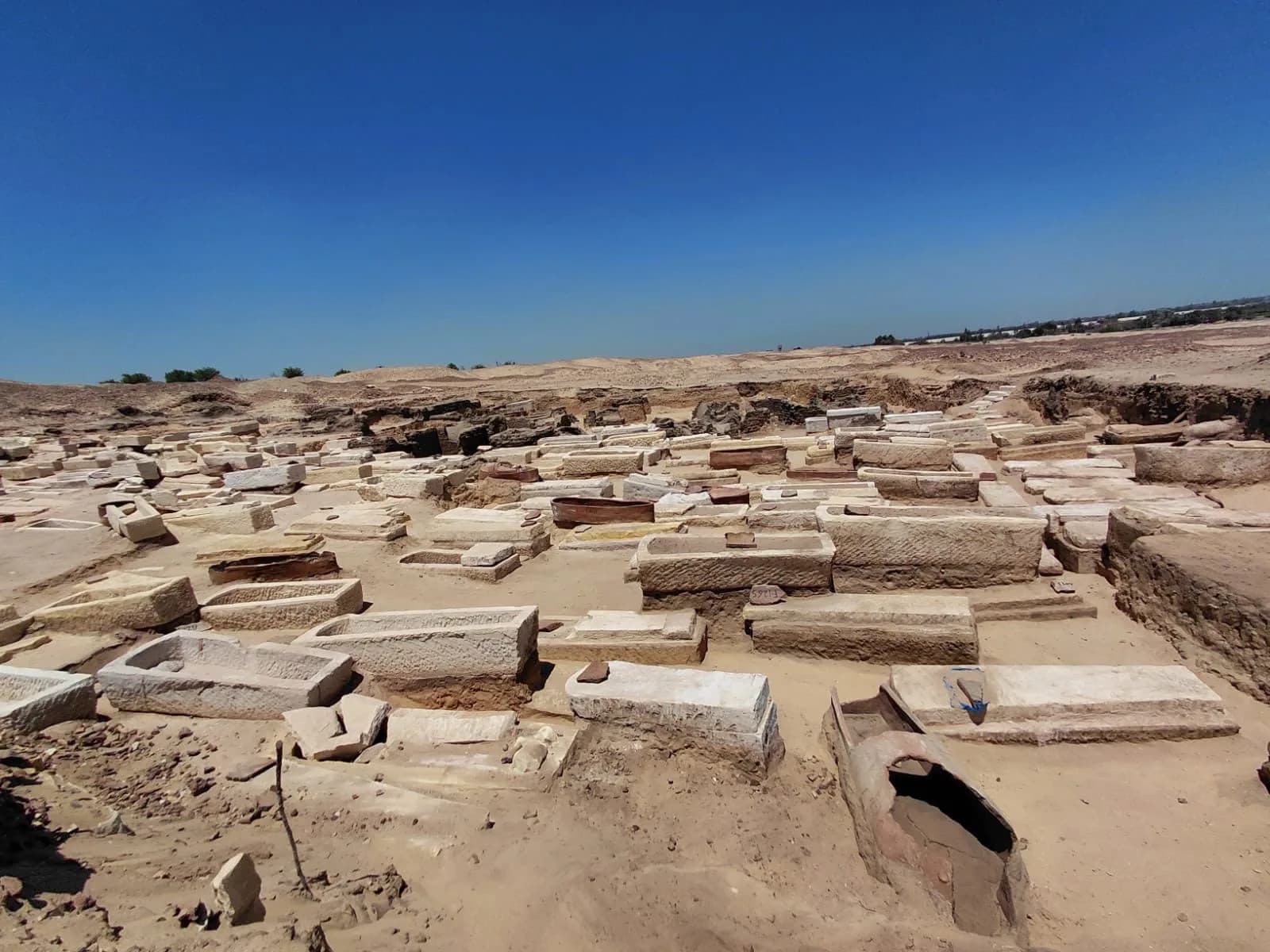
An Egyptian archaeological mission affiliated with the Supreme Council of Antiquities and working at the Abu Bellou archaeological site in Menoufia Governorate has uncovered an ancient cemetery containing a large number of tombs and burials dating from the Late Period, the Ptolemaic Period and the early Roman Period.
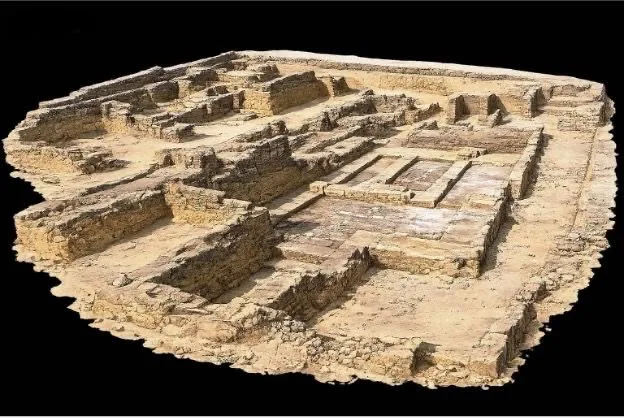
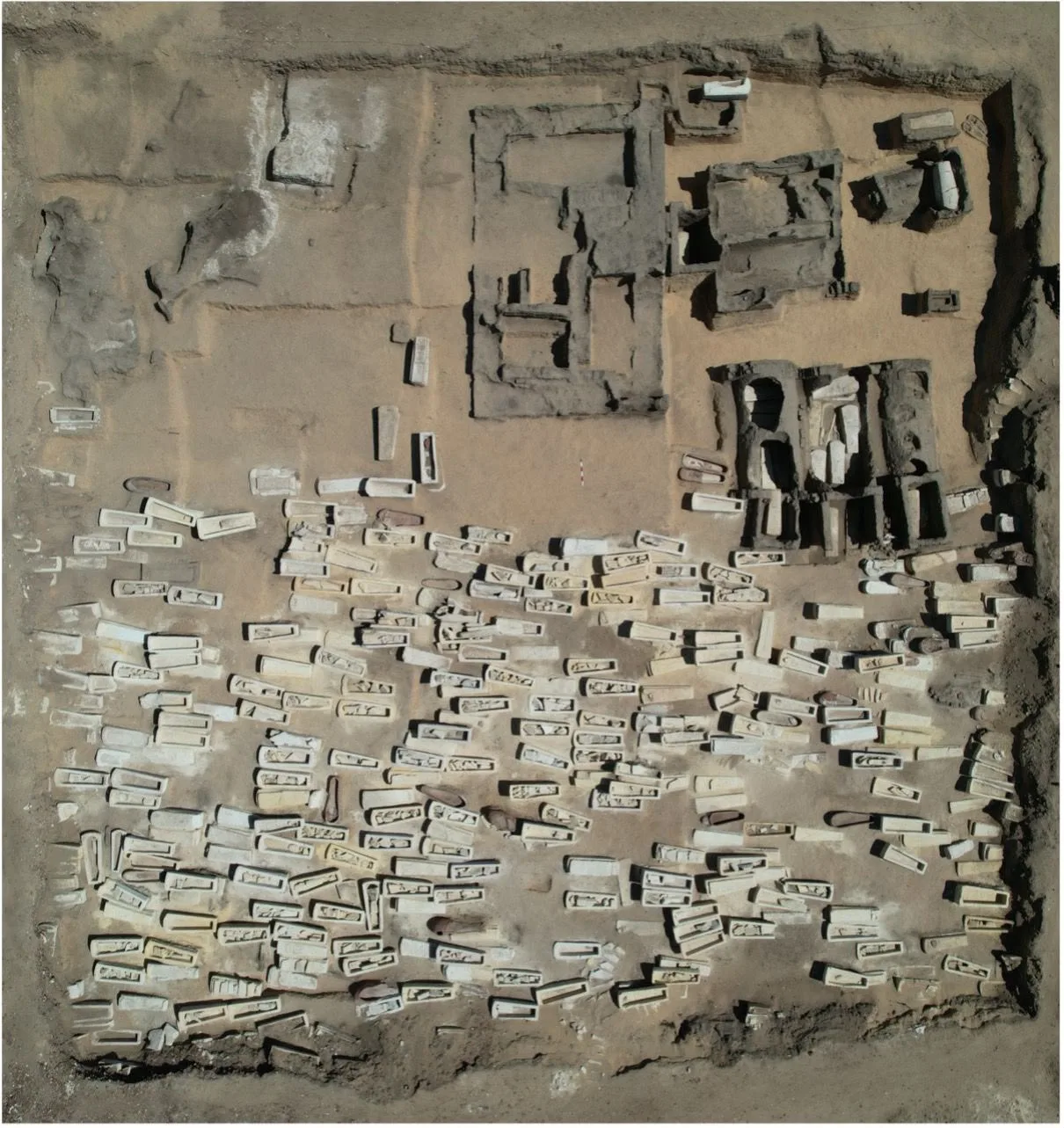
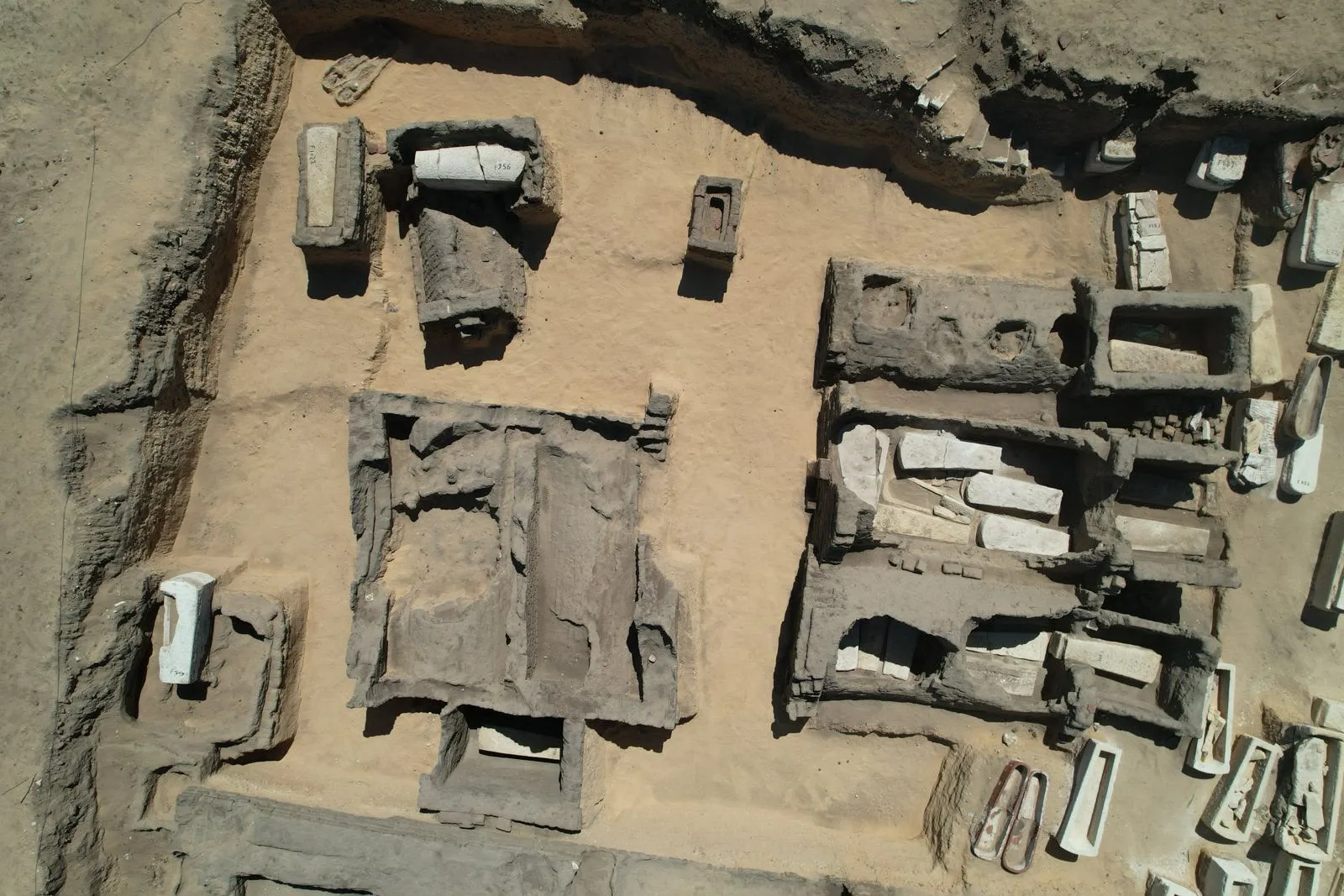
The cemetery includes numerous stone and pottery coffins, remains of wooden coffins, vaulted mudbrick tombs, and another tomb whose interior was built of limestone.
Sherif Fathy, Minister of Tourism and Antiquities, emphasized the importance of the discovery, noting the wide variety of burial practices, coffins and archaeological finds, which reflect the richness and historical significance of the site.
Dr. Hisham El-Leithy, Secretary-General of the Supreme Council of Antiquities, explained that this is the first discovery of its kind at the site in terms of the large number of burials and coffins found in an open burial courtyard. The site also contains distinctive architectural features that continue beneath the sand and debris mounds in different directions.
Preliminary studies of the archaeological finds and funerary objects accompanying the burials suggest that the cemetery was most likely used for members of the middle class. Further excavation and research are expected to provide more information about the society that used the cemetery and its funerary practices.
Mohamed Abdel Badie, Head of the Egyptian Antiquities Sector at the Supreme Council of Antiquities, said preliminary archaeological studies of the finds, stone and pottery coffins, and burials indicate that the cemetery dates primarily to the Early Ptolemaic Period, during the third and second centuries BC, with some burials dating back to the end of the Late Period.
He added that the burials reflect the continuation of several funerary customs and practices associated with ancient Egyptian beliefs and the worship of Egyptian deities, including Renenutet, Osiris, Isis and Hathor. Their worship was associated at different periods with the areas of Tarana and Kom Abu Bellou.
He also noted that the discovery is significant because the cemetery lies within the archaeological area of the ancient city of Teranothis, which was located at the eastern entrance to Wadi El Natrun, historically known for the extraction of natron salt used in mummification.
Previous archaeological work has established that the site's history extends back to early periods of ancient Egyptian history. The area includes the ruins of the ancient city and a temple dedicated to the goddess Hathor under her title "Lady of Turquoise."
The cemetery's dating is based on several archaeological indicators, including stratigraphic sequence, pottery finds, the styles of stone and pottery coffins, burial customs and associated objects, as well as the architectural elements used in constructing the tombs. Together, these findings provide a clearer picture of the cemetery and its development across different historical periods.
Mustafa Rizk, Director-General of the Menoufia Antiquities Area, said excavations revealed a surface layer containing hundreds of stone coffins. Some had no lids, while others were completely shattered as a result of earlier vandalism at the site and quarrying activities in the area.
The excavations also uncovered numerous remains of different types of pottery coffins. Some feature caricature-like human faces, while others take the form of fully anthropoid coffins.
After the contents of the coffins were cleaned, human remains were found in very poor condition. However, examination revealed traces of mummification materials and resins, as well as remnants of cartonnage and plaster layers painted in yellow, red, blue and gold. The burials had been treated in accordance with ancient Egyptian beliefs and practices.

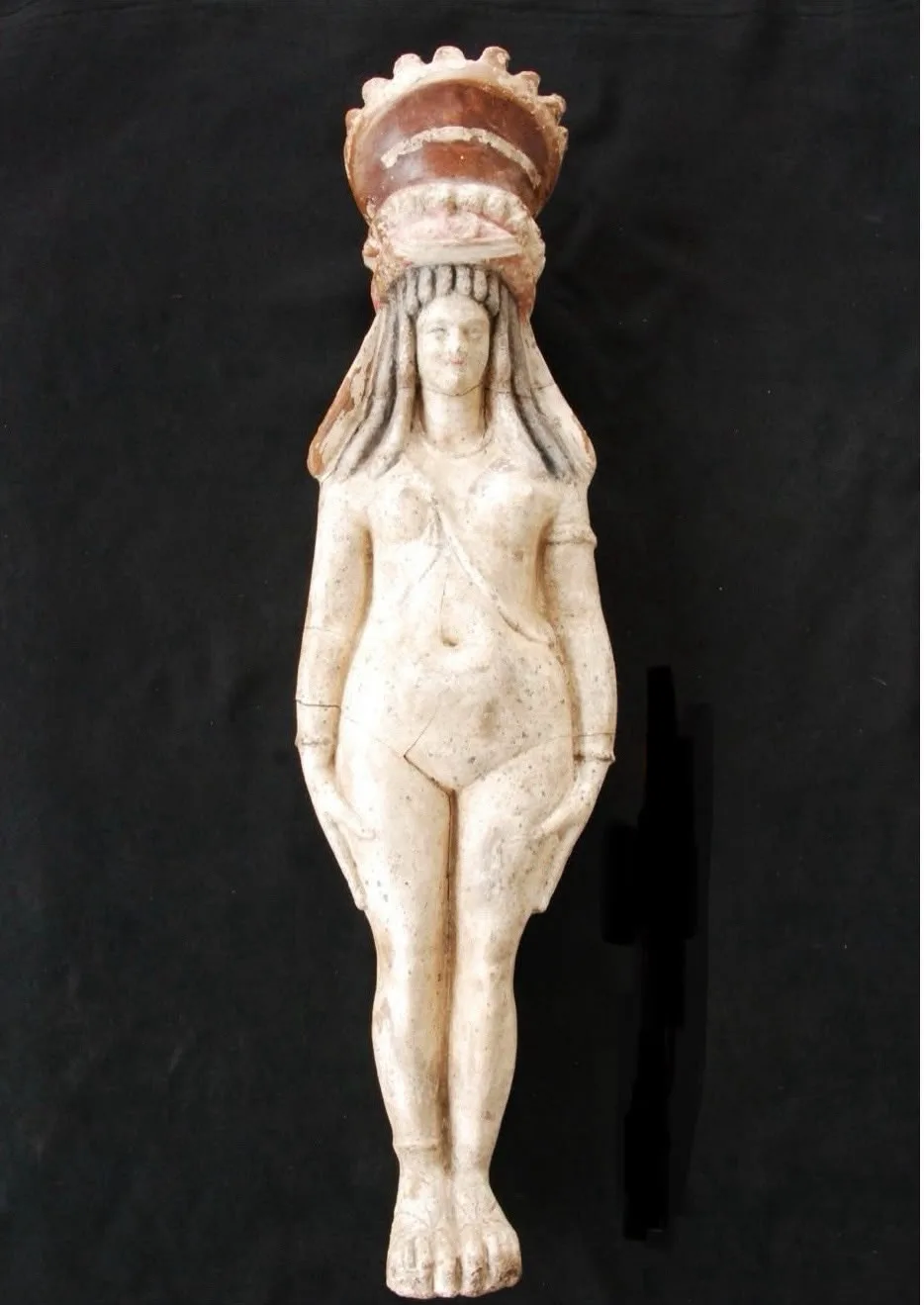
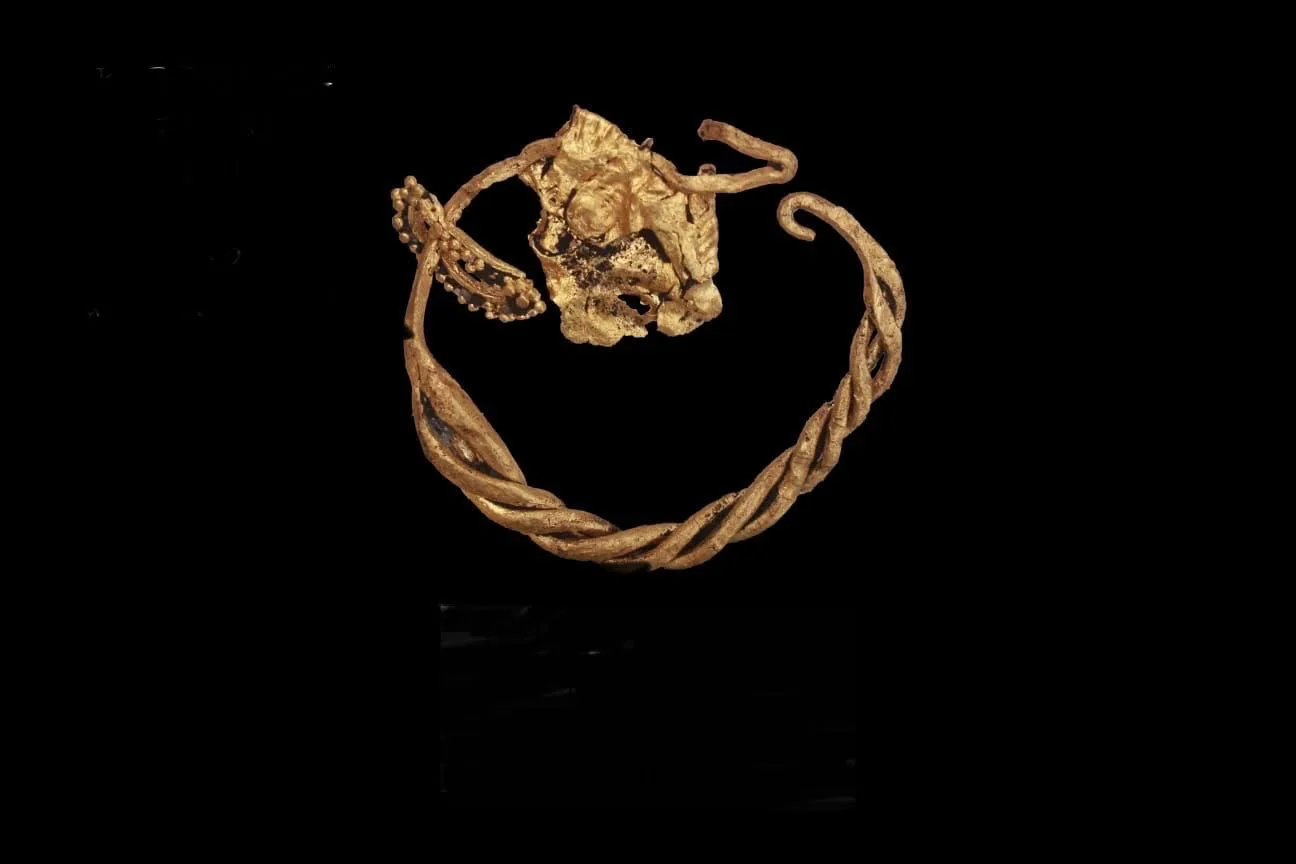
The excavation also yielded several golden tongues, an earring, a gold necklace pendant, gold foil pieces, scarabs, and faience ushabti figurines in various shapes and sizes, some bearing hieroglyphic inscriptions. Other finds included offering tables, small limestone statue heads, terracotta figurines depicting Isis-Aphrodite, and part of a fired-clay vessel lid shaped as Isis-Aphrodite seated on a lotus flower and nursing her child Harpocrates.
Additional discoveries included small sphinx figurines, fragments of stone statues of the falcon god Horus, and remains of clay architectural elements covered with plaster and decorated with depictions of a royal palace façade. The images show two pylons topped by two facing lions, each with a falcon head wearing the double crown and placing its right paw on a Djed pillar.
The finds also included several scarabs made of schist, a blue lapis lazuli scarab, Wedjat eyes, small amulets, two falcon burials found between the coffins, and three terracotta figurines depicting Isis-Aphrodite.
Excavation, research and scientific documentation of the objects and architectural features uncovered at the site are set to continue, with the aim of revealing further details about the history of the cemetery and the archaeological area associated with the ancient city of Teranothis.