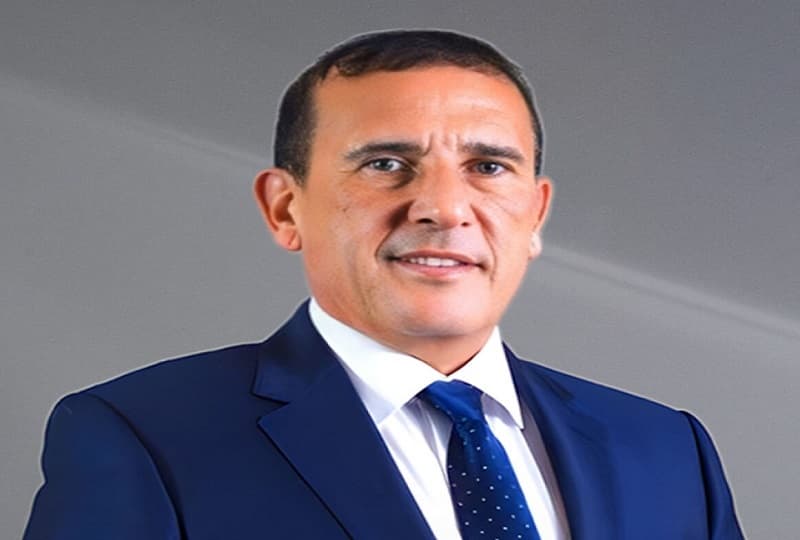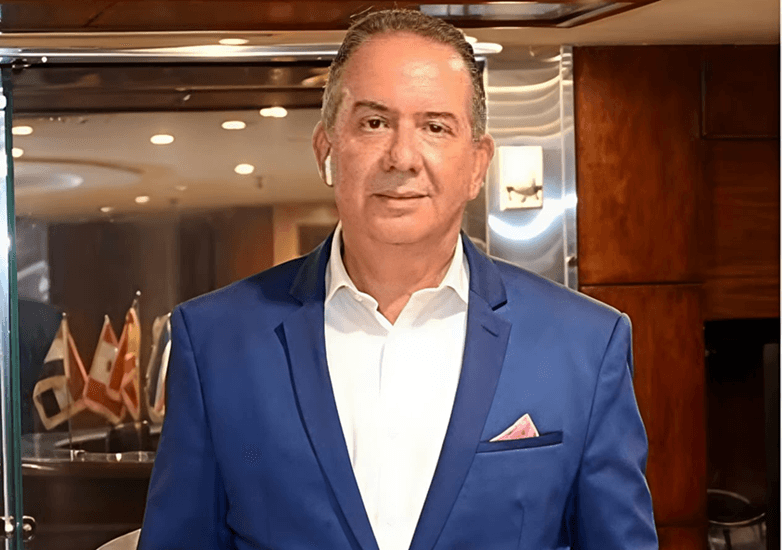
Ehab Abdel Aal, Treasurer of the Egyptian Tourism Federation, stressed that the appointment of new governors reflects the state's continued interest in injecting new blood into local administration, especially in governorates with a tourism character.
Abdel Aal added in media statements that the federation, with its five tourism chambers, values these choices, especially in tourism governorates, given their importance in supporting the state's plans to increase tourist traffic and maximize investment. He noted that the coming phase requires swift action to solve the outstanding problems facing investors, along with the need to activate continuous channels of communication between governors and the relevant ministries, foremost among them the Ministry of Tourism and Antiquities.
He explained that the state has given tourism unprecedented attention in recent years, with billions of pounds pumped into developing infrastructure and tourist roads, pointing out that about 85% of the roads leading to tourist destinations have already been developed, which helps improve the tourist experience and raise the global competitiveness of the Egyptian destination.
He noted that the political leadership, represented by President Abdel Fattah El-Sisi, is keen at all international occasions and meetings to promote the Egyptian tourist destination, especially the Grand Egyptian Museum and its unique collections.
He added that the state aims to attract about 23 million tourists during the current year, 2026, which requires speeding up the implementation of new tourism investments and preparing the infrastructure needed to absorb this increase, including the development of airports and logistics services.
He stressed that the new governors, especially in tourism governorates, bear great responsibilities in the coming phase to keep pace with this expected increase, ease procedures for investors and improve the level of services provided to tourists, achieving the state's vision of maximizing the returns of the tourism sector and supporting the national economy.
He pointed out that in recent years the state has organized prominent global celebrations for tourism promotion, from the parade of the royal mummies to the National Museum of Egyptian Civilization, to the opening of the Avenue of Sphinxes and the development of the Giza Pyramids area and various tourist sites, which requires capitalizing on this momentum and translating it into higher numbers of tourists coming to Egypt.