By Akram Medhat
Japanese Ambassador in Cairo Takehiro Kagawa said developing and boosting Egyptian tourism through the Grand Egyptian Museum project is of great importance, expressing his hope that the project will be completed to become one of the important archaeological destinations that boost Japanese tourism to Egypt.
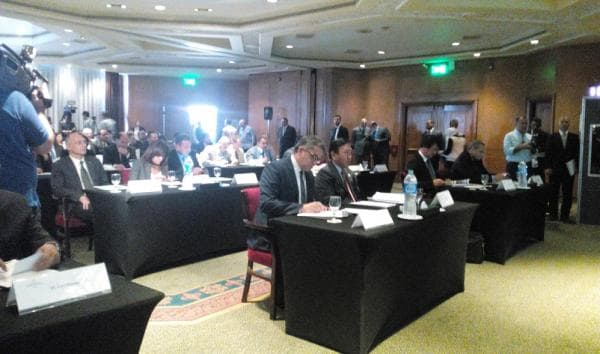
Speaking at a workshop titled "Ways to Develop the Grand Museum and Tourist Areas," the Japanese ambassador praised the return of direct flights to Egypt after a 4-year suspension, coinciding with the promotion of the Grand Egyptian Museum, which will build a bridge between the two countries and revive inbound Japanese tourism. That tourism was affected by Egypt's political conditions since 2011, dropping to 50%, and the decline continued until current traffic represents only 10% of the numbers achieved in the peak year of 2010. He expressed hope that these flights will help increase the number of tourists between the two countries.
This came in the presence of Minister of Antiquities Dr. Khaled El-Enany; Hesham El-Demery, head of the Egyptian Tourism Promotion Authority; Sahar Talaat Mostafa, head of the Tourism and Aviation Committee in the House of Representatives; Giza Governor Major General Kamal El-Dali; and Dr. Zahi Hawass, the Egyptian archaeologist and former Minister of Antiquities.
For his part, Minister of Antiquities Dr. Khaled El-Enany said the Grand Egyptian Museum is one of the most important joint projects with the Japanese government, as the total cost of the project exceeds $1 billion, 75% of which is covered by a Japanese government loan after Japan approved granting the second loan.
El-Enany stressed that the Japanese side's role will not stop at the opening of the project, as their expertise in management will be drawn upon, especially since there are 10 Japanese archaeological missions working in Egypt through universities and specialized institutes.
El-Enany pointed out that the project will help change the traditional form of museums in the Middle East through its technology and style of museum display of artifacts, in addition to the museum's area of 500,000 square meters.
On another note, the Minister of Antiquities indicated that the roads leading to the archaeological area are being developed in parallel with the Pyramids area development project and will be linked to each other, revealing that the Fayoum entrance will open for visitors to enter the archaeological site before mid-2018.
In a related context, Giza Governor Major General Kamal El-Dali said the governorate's role is to develop the roads and areas surrounding the Grand Egyptian Museum and the Pyramids, namely 3 main roads leading to them, adding that an Egyptian consultancy firm has been engaged to carry out the necessary studies, which are scheduled to be completed this week.
For her part, Dr. Adla Ragab, Deputy Minister of Tourism, praised this first promotional event for the Grand Egyptian Museum, which reflects 150 years of cooperation with the Japanese people, and which is scheduled to open in 2018.