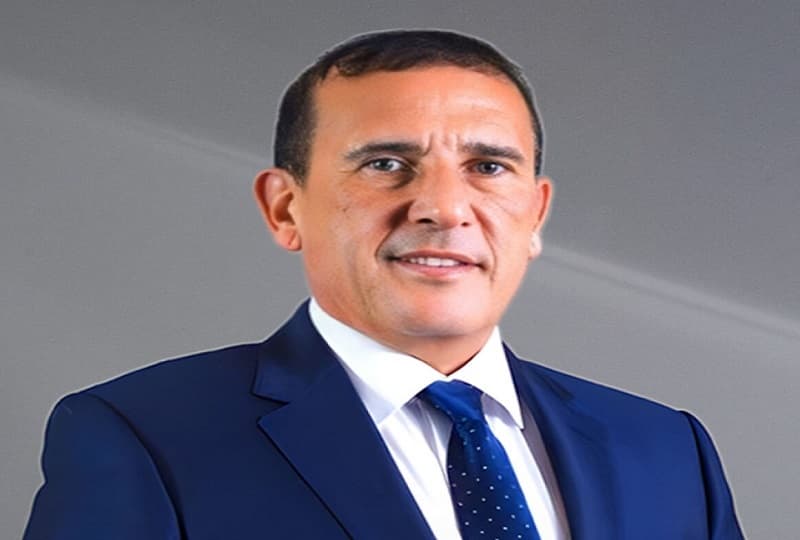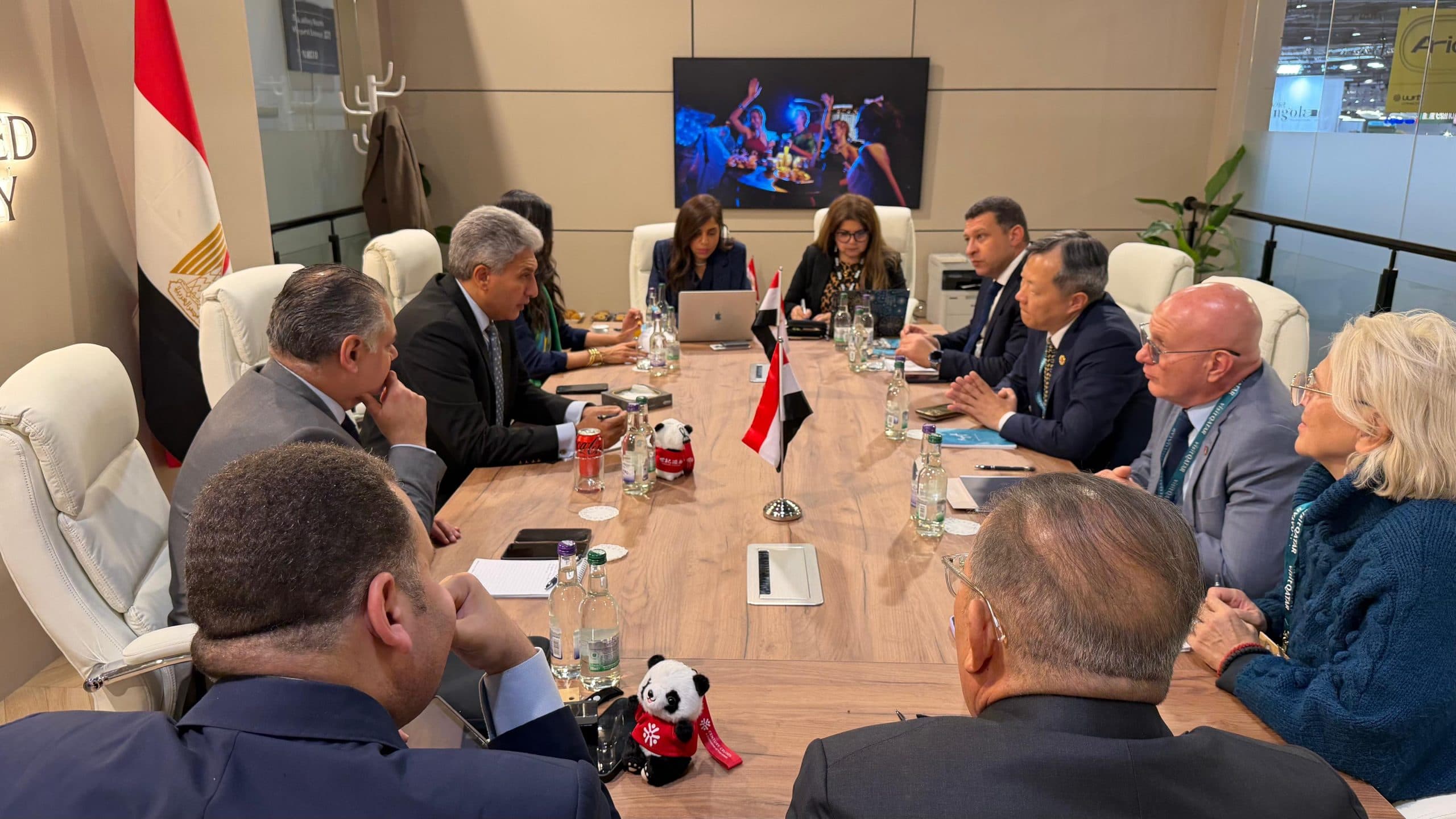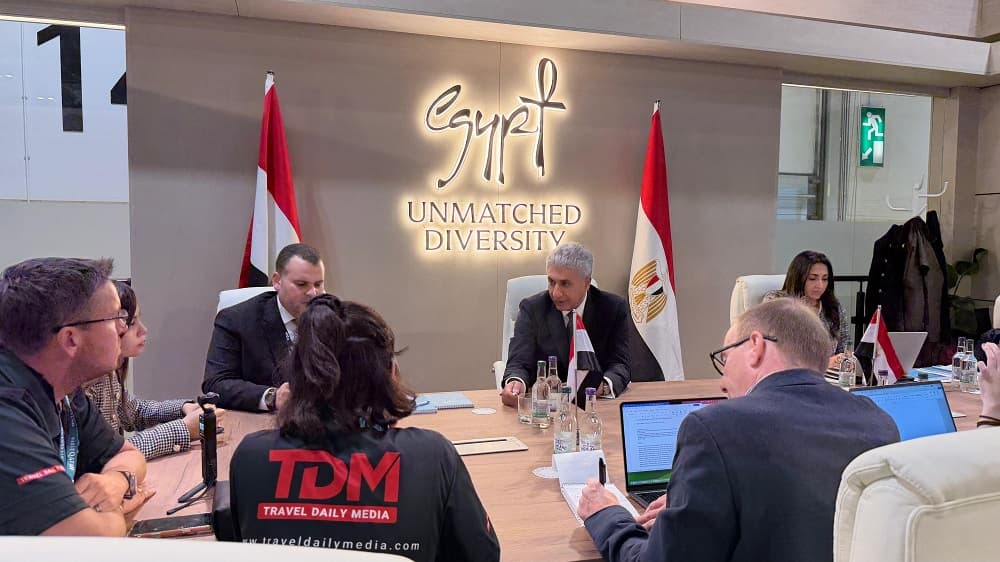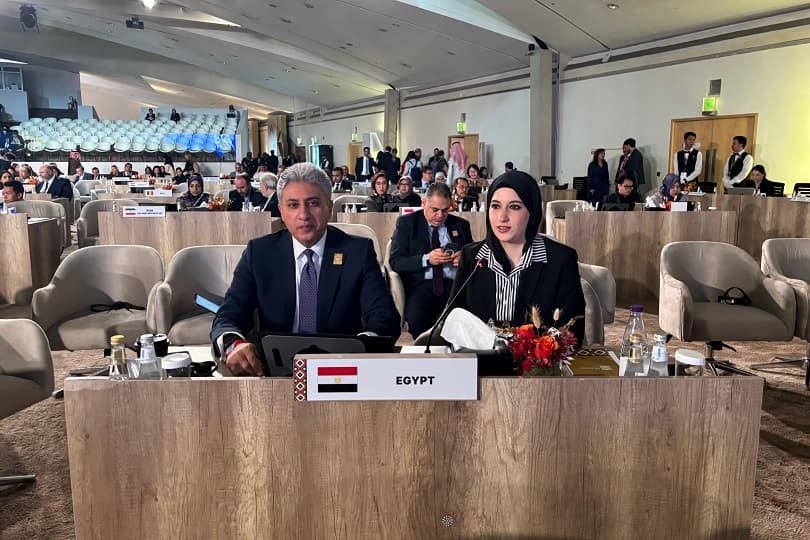
Sherif Fathy, Minister of Tourism and Antiquities, headed a delegation from the Arab Republic of Egypt at the third plenary session of the 26th session of the General Assembly of UN Tourism, currently being hosted by the Kingdom of Saudi Arabia in the capital, Riyadh.
The session was held under the title "The Impact of Artificial Intelligence and Innovation in Shaping Global Tourism." Egypt's speech was delivered by Yomna El-Bahar, Deputy Minister of Tourism and Antiquities, who affirmed that artificial intelligence is now redrawing the features of the global tourism landscape, as it helps improve the management of tourist destinations, influences how travelers make their decisions and develops the ways the tourism experience is delivered. She added that it has today become a key pillar for building a more efficient and sustainable tourism system, from personalized trip planning and smart assistants to predictive analytics for managing visitor flows.
She added that artificial intelligence technologies help enhance the tourist experience through smart predictive booking systems, multilingual virtual assistants and search engine recommendations that offer personalized travel programs, and also support tourist destinations in protecting and better managing heritage sites.
During the speech, the deputy minister stressed the importance of governing artificial intelligence in the tourism sector in a way that balances innovation, ethics, privacy and accountability, noting that formulating clear policies for data use and enabling sector workers to keep pace with the digital transformation is crucial to ensuring fair and sustainable tourism growth.
She continued that these policies should focus on four main pillars: data governance, ensuring the security, privacy and ethical use of travelers' data; accountability, so that responsibility is determined for AI-based decisions that affect travelers or local communities; inclusiveness, ensuring that small businesses and developing destinations are not marginalized; in addition to sustainability, so that AI systems are aligned with the goals of sustainable tourism development.
She concluded her speech by stressing that the future of tourism will be determined not only by technical capabilities, but by how responsibly they are managed, emphasizing the need to adopt an international framework based on transparency, cooperation and human values to ensure that technology is a means of strengthening the cultural and human bonds that give travel its true meaning.