International consultancy WATG reviews tourism growth projections for the area and targeted investment opportunities
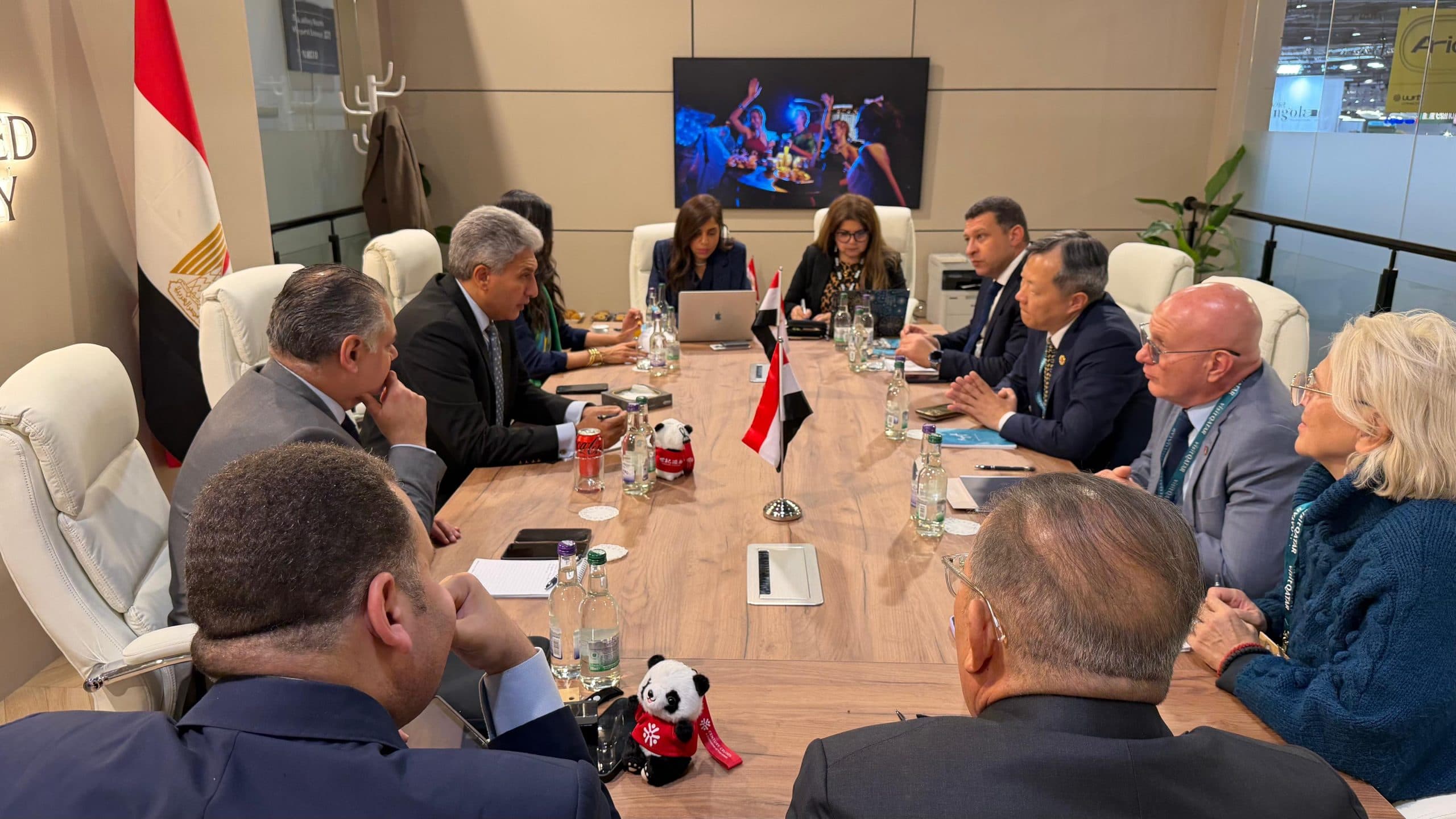
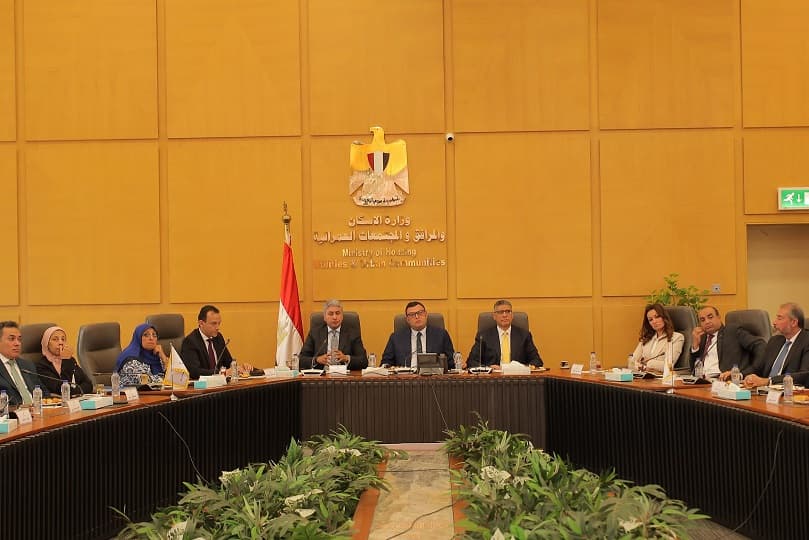
Sherif Fathy, Minister of Tourism and Antiquities; Eng. Sherif El-Sherbiny, Minister of Housing, Utilities and Urban Communities; and Eng. Adel El-Naggar, Governor of Giza, held an expanded meeting at the Ministry of Housing headquarters in the New Administrative Capital to follow up on the latest results of studies on preparing the strategic plan for the area stretching between Sphinx International Airport and the Saqqara area, including the Giza Pyramids area and the Grand Egyptian Museum, with a view to developing it and upgrading it in tourism and urban terms so that it occupies a unique global position on the international tourism map. The meeting was attended by the international consultancy WATG and a number of leaders and executives from the two ministries and the governorate, as well as the relevant authorities.
The Minister of Tourism and Antiquities stressed that the strategic plan being prepared for the area's development aims to transform it into one of the most prominent tourist and cultural destinations in the world, within an integrated vision that balances the requirements of tourism development with the preservation of the area's unique civilizational and human heritage.
He stressed the need for full compliance with UNESCO's instructions and requirements, given that the area is inscribed on the World Heritage List, which requires applying precise standards in planning and implementation, ensuring the provision of advanced infrastructure and tourist services that allow a smooth flow of visitors and give them an integrated tourism experience, while safeguarding the area's exceptional civilizational value, preserving the privacy and majesty of its archaeological sites, and preventing any visual or architectural distortion that would undermine the area's authentic character, in a way that reflects the greatness of Egyptian civilization and enriches the tourism experience.
He added that development plans in the area should take into account the expected volume of tourist traffic and the diversity of tourist segments visiting Cairo, not only in the context of visiting the Grand Egyptian Museum, along with a precise study of the expected number of tourist nights, on the basis of which the required capacity and the diversity of accommodation will be determined, to include traditional hotel rooms, serviced apartments and luxury accommodation units, in line with the needs and aspirations of different visitor segments.
Fathy pointed to the importance of strengthening the area's tourist attractions in a way that suits its unique archaeological nature, and of providing integrated services that cater to different tastes, ensure comfort, safety and security, and encourage repeat visits, while integrating the local community into the development work to achieve a sustainable economic and social return.

In a related context, Eng. Sherif El-Sherbiny, Minister of Housing, stressed the great importance of the project and the political leadership's regular follow-up of all its details, noting that the development of this area is part of achieving the state's targets of developing tourist areas and making them available to investors for optimal use, and supporting them with various types of service and entertainment activities, in line with the area's historical and archaeological value. He stressed that the study should include all the details and standards of the project, with a clear timeline for the phases of work.
The Minister of Housing pointed out that the meeting also comes as part of enhancing community participation and enabling the private sector to contribute to shaping the project's development vision, with the aim of creating an integrated global tourist destination that supports economic growth and achieves sustainable development.
He explained that a number of workshops had been held to discuss the technical alignment of the plan with international best practices, to ensure a balance between conservation and development, as well as raising the competitiveness of the tourism product and integrating it with diverse types of tourism, in addition to discussing proposed investment opportunities in hospitality, entertainment and culture, with the participation of a group of investors, developers and hospitality companies. Innovative partnership models that would support the implementation of the plan and achieve its goals were also reviewed during the workshops.
For his part, the Governor of Giza stressed full cooperation with all ministries and relevant authorities to provide the necessary amenities for visitors to the area, pointing to the Egyptian state's interest in the area as one of the most important tourist, archaeological and cultural destinations in the world, by working to change the mental image held by visitors to this important tourist destination.
Dr. Abdel Khalek Ibrahim, Assistant Minister of Housing for Technical Affairs, reviewed the efforts made on the area's tourism development and upgrading plan project, pointing to the results and outputs of a series of high-level sessions and workshops with the international consultancy WATG. The progress of the project's work was also presented and discussed, with a view to achieving a leap in the tourism product worthy of the site, along with how to leverage and integrate heritage tourism with other types of tourism and the product's market fit through the proposed components, which helps improve the technical framework for implementation.
The meeting included a presentation by representatives of the international consultancy WATG covering tourism growth projections for the area and targeted investment opportunities in hospitality, retail, entertainment and cultural experiences.