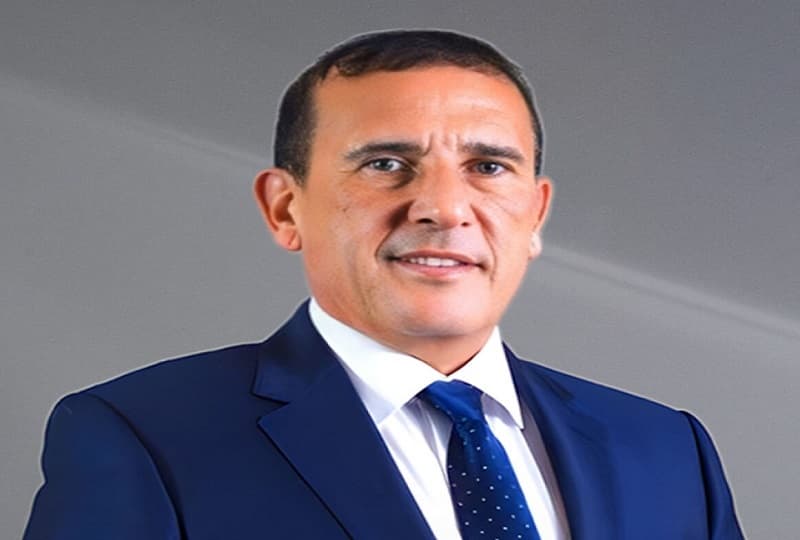
Dr. Rania Al-Mashat, Minister of Tourism, said that despite the development of tourism types and fields worldwide, tourism activities in many countries around the world do not meet the needs and requirements of many segments of those wishing to enjoy them, especially people with special needs, the elderly, or those who need a certain level of comfort while traveling and staying, such as pregnant women.
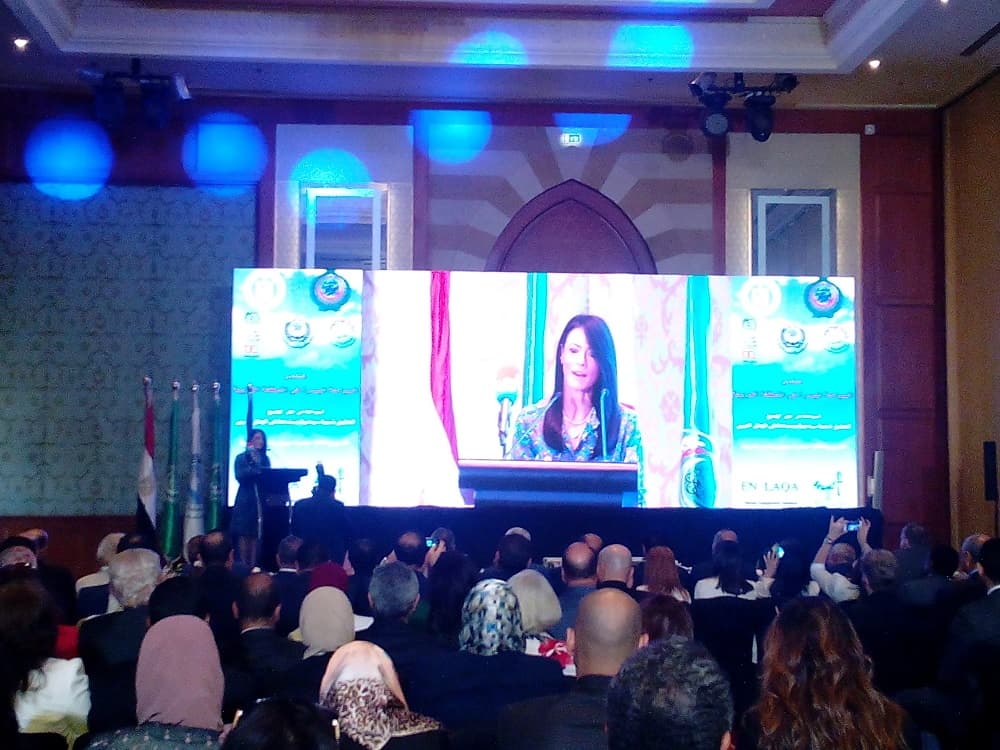
Speaking at the Accessible Tourism Forum in the Arab Region, held in Cairo today, she added that the forum is being held in implementation of the decisions of the Arab Ministerial Council for Tourism at its 20th session in 2017, which called for holding a forum on accessible tourism in the Arab region to raise awareness and exchange views and expertise on ways to remove the barriers and obstacles facing this segment of tourists, especially since it is characterized by loyalty and repeat visits to a destination when services and facilities that meet its needs are available.
She noted that the forum will today discuss many important topics, including the concept of accessible tourism in terms of vision and sustainability; applications and the rehabilitation of establishments for accessible tourism uses, in coordination with the governors of tourist cities; the growth and development of accessible tourism in the Arab world; and the role of Arab governments and the private sector in supporting and developing it, as well as highlighting the importance of Arab and international cooperation in this field and how to raise awareness of the concept of accessible tourism through various media.
She stressed that an integrated vision for accessible tourism must be included in the tourism strategies of Arab countries, which is the basis of the eleventh of the Sustainable Development Goals adopted by the United Nations, whose application in the tourism sector the Egyptian Ministry of Tourism has adopted. This goal includes making cities and human settlements inclusive, safe, resilient and sustainable.
She said the Accessible Tourism Forum is in line with the structural reform program for developing the tourism sector launched by the ministry, which mainly aims to achieve sustainable tourism development by formulating and implementing structural reforms aimed at raising the competitiveness of the Egyptian tourism sector, in line with global trends.
She added during the forum that Egypt has started applying the concept of accessible tourism, noting that last Thursday she took part, with Minister of Antiquities Dr. Khaled El-Enany and the Italian ambassador in Cairo, in the opening of the path for visually impaired people with special needs at the Egyptian Museum in Tahrir.
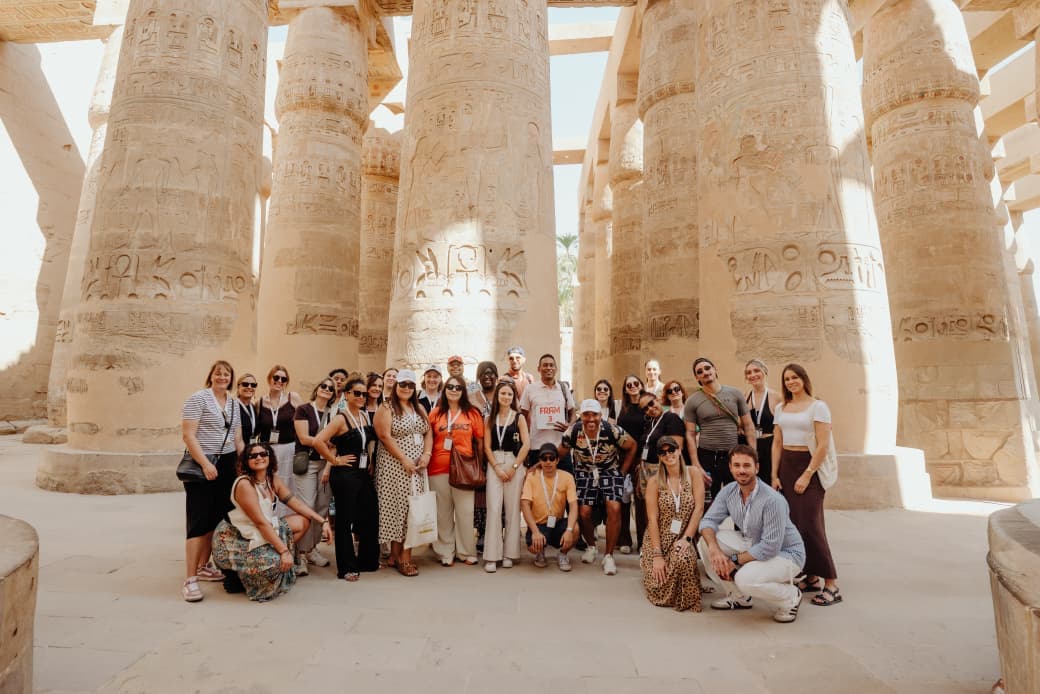
She noted that Karnak Temple in Luxor is considered the first archaeological site in Egypt that is open, paved and prepared to receive visitors with special needs, and stressed that the Ministry of Tourism has qualified and trained tour guides to explain the monuments in sign language.
She continued that with the ratification of the UN Convention on the Rights of Persons with Disabilities, there has been an increasing focus on the tourism sector's obligations to ensure that this segment of tourists is able to exercise its right to enjoy leisure, sport and tourism under the same conditions as others.
She called on countries to lead the way in guiding the public and private sectors to make tourism accessible to all, as recognized in the "UNWTO Declaration" adopted in 2009.
She stressed that tourism is a right for everyone and that societies have a duty to make this right available to all segments of tourists and travelers in order to maximize their experience and ensure that they visit many times.