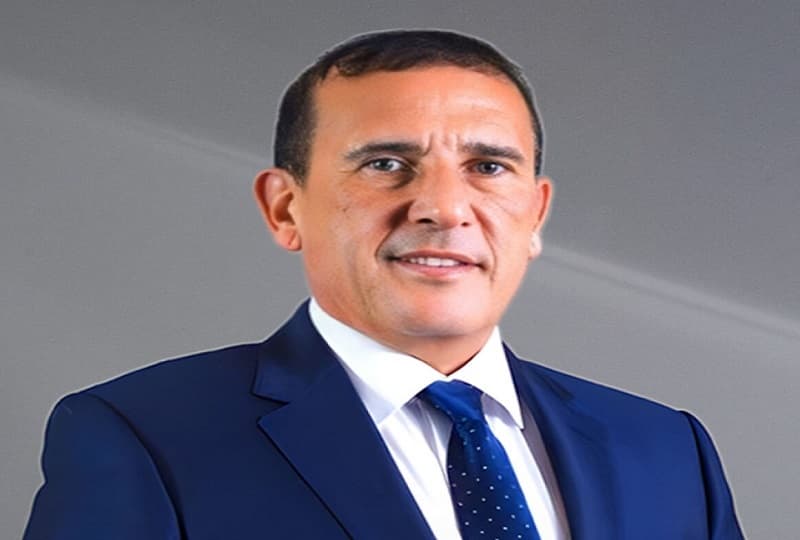
Adela Ragab: Meetings with foreign tour operators bring positives for Egyptian tourism... TUI and FTI are the heroes of this stage
SunExpress sets its flight plan to Egypt according to the volume of demand from tour operators
Several factors contributed to increased demand for Egypt... and the private sector has a key role
Interview by Akram Medhat
The Egyptian tourism sector's participation in WTM London, the world's second-largest tourism fair and gathering after ITB Berlin, carried great importance and resonance, especially in its timing, coinciding with the anniversary of the British government's ban on flights to Sharm El-Sheikh, in addition to the debate that this participation saw over the future of tourism traffic in the current winter season and next summer, and the matter even extended to winter 2018/2019.
Also, the flight incentive file, its implementation mechanism and its problems caused by delays in disbursing the dues of tour operators and airlines are still the subject of great debate, although it represents one of the positive means that have contributed to the recent increase in tourism to Egypt.
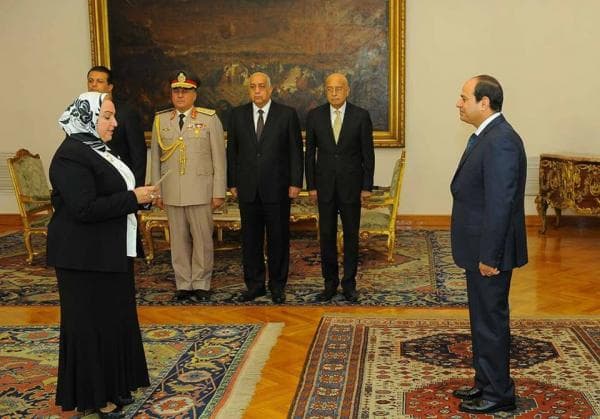
All of these topics were detailed by Dr. Adela Ragab, Deputy Minister of Tourism, in a special interview published exclusively by Travel Yalla News, her first press interview since taking office in mid-September. She also brought the Egyptian tourism sector a great deal of important positive news. The interview will be published in two parts: the first focuses on the events of WTM London and the results of the meetings with foreign tour operators, while the second covers the most controversial file, the flight incentive.

Since WTM London was the latest important event representing one of the key indicators of tourism traffic, and Egypt took part in it from November 6 to 8, we had to reveal what went on behind the scenes in the first part of the interview.
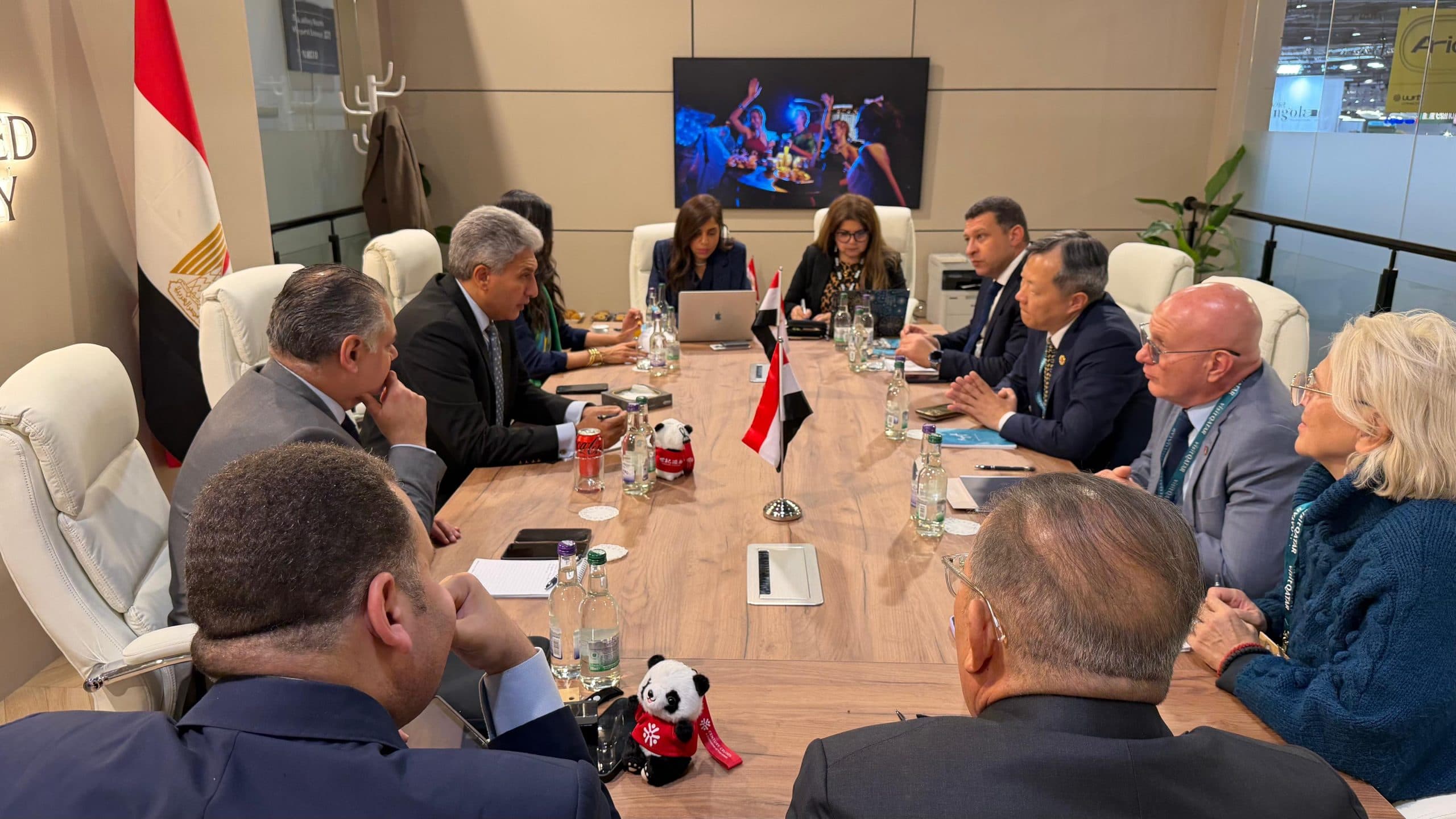
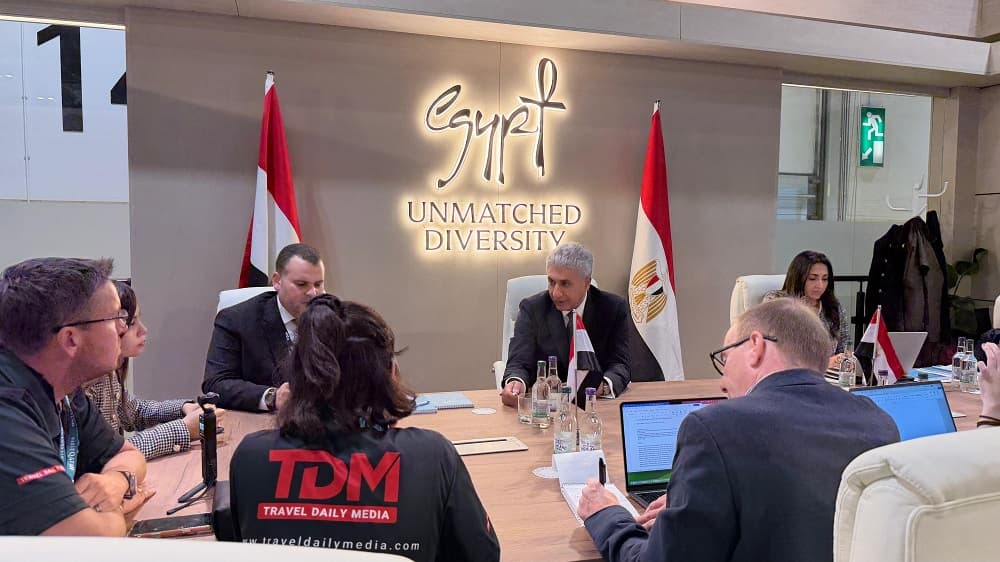
Details of Egypt's Participation in WTM London
At the outset, Dr. Adela Ragab explained that preparations for WTM in London are made through the Egyptian Tourism Promotion Authority several months ahead of the event, and the companies and private sector wishing to take part in the fair are contacted.
She praised the design of the pavilion, which was different from every year: the prevailing style had been the pharaonic pyramid shape, but this year it was in line with the fair's modern designs, with glass full of pharaonic inscriptions.
As for the professional and media meetings, they were very good and of a high level, with major channels and international media present, most notably CNN, History Channel and Discovery Channel, in addition to Egypt being invited, on the sidelines of the fair, as one of the few countries invited to CNN's annual party honoring Dr. Taleb Rifai, the former Secretary-General of the UNWTO.
Friendly meetings with CNN officials included a discussion of the Egyptian tourism sector's strategy, presented by Hesham El-Demery, head of the Egyptian Tourism Promotion Authority, and of the continued ban on Sharm El-Sheikh airport, even though the city itself is not banned. Everyone praised the security measures and expressed their disapproval of the British government's failure to announce the lifting of the ban, the reason for which no one knows, especially as Britons travel to Sharm El-Sheikh after arriving in Cairo or Hurghada.
The discussions did not touch on any point related to terrorism, but rather on the clear economic stability and the impact of the flotation on the Egyptian economy, she said, pointing to their satisfaction with the general climate in Egypt.
Location of the Egyptian Pavilion and Turnout
Dr. Adela Ragab stressed that the Egyptian pavilion's location was distinctive, being only about 15 meters from the entrance for groups or the public, and Egypt was the first country in the Middle East area of the fair, with the Qatari pavilion on the left, followed by the Jordanian one. On this point, which some commented on, she said: "We did not choose the location next to Qatar, and we have no right to choose the country next to us at the fair or to object to it."
She praised the Egyptian tourism counselor in London, who made sure that the lanyards of the Egyptian participants' badges carried only the fair's logo, unlike those of all the other participants, which bore the flag of Qatar as one of the fair's sponsors.
The participation schedule at the fair was full of professional meetings. As for turnout, it is well known that the first day is generally professional first and foremost, based on appointments set in advance with tour operators, and so on the second day the broader visits to the fair began, along with contact with tour companies or hotels from the participating countries.
She noted that she toured the other pavilions at the fair and did not find heavy turnout or crowding by visitors in the Middle East area, so there was no big difference from the turnout at the Egyptian pavilion.
Professional Meetings at WTM London... Good Omens or Limited Optimism?
TUI and the Expansion of Its Activity... the Meatiest Meeting
On another note, the Deputy Minister of Tourism revealed details of the first and strongest meeting, with officials of TUI, who asked the Ministry of Tourism to help them bring Sharm El-Sheikh back to the British market and other major markets, because they have large investments there, and we told them that it is not an Egyptian decision.
She continued: "We asked TUI to open investments in Luxor, as they have floating hotels there, and flights and marketing for it must be increased further. They expressed interest in studying this so as to include it in their summer 2018 programs as well, and not only in winter."
They announced an increase in flight activity to Hurghada and Marsa Alam, as TUI currently operates six weekly flights from the British market to Hurghada and one flight to Marsa Alam, some charter and others scheduled, which will be increased in summer 2018 and in winter 2018/2019 to 10 flights weekly, but there are no flights to Luxor.
TUI officials asked about Sharm El-Sheikh's share of the new flight incentive program launched by the Ministry of Tourism at the beginning of November for one year, and they praised it after the incentive amount was raised to $3,000 per charter flight instead of $2,000 under the previous program, in addition to lowering the aircraft load factor, which since June has been 65% instead of 80% and will continue in the 2018 program, to encourage them to increase the number of flights.
She said that, in light of all the incentives offered by the Egyptian tourism sector, the real and effective role comes from tour operators pressing their governments in defense of their investments and to stop the drain of losses and the opportunities lost by not being present in and marketing an important destination for British tourists, from which tour companies in competing countries are benefiting.
Political Dialogue Turns Economic Between Tour Operators and Their Government
She continued: "The negotiations have become economic and not political, especially as Britain's exit from the European Union has created more competition, and the private sector looks for its profit first and foremost, while its success benefits the government by collecting huge taxes and helps create jobs."
Dr. Adela Ragab pointed out that Britain is losing a large return from the slowdown in the growth of British tourism to Egypt as a result of the suspension of flights to its top destination, Sharm El-Sheikh, as every British traveler to Egypt pays a departure fee of 75 pounds sterling as a development and anti-pollution fee at British airports, and Egypt is on the list of countries subject to the most expensive fees. The British government benefits from this resource the more the number of tourists increases, especially amid the growing demand for Egyptian tourist cities.
In a related context, the meeting reviewed other tourism and beach products, most notably the North Coast, which British citizens love because they are considered among those who contributed to establishing this area. It also has three airports, Marsa Matrouh, El Alamein and Borg El Arab, and high-end hotels, in addition to the New Alamein City later on, which will support leisure-stay and conference tourism, for which England is known, where the cost of any meeting can equal the price of a whole trip in Egypt, especially as the flotation of the pound has made costs lower and added value higher.
SunExpress
On another note, the Deputy Minister of Tourism revealed, in her interview with Travel Yalla News, a meeting with the airline SunExpress, which operates flights from Germany to Hurghada, Marsa Alam and Luxor and has no activity from the British market to Egypt. Until the end of the summer season, it was operating 27 weekly flights to Hurghada, Marsa Alam and Luxor.
However, it has not yet determined the fate of its flights for the current winter season and next summer, as negotiations with the company on this matter continue, since this depends on the volume of demand and the operation of its aircraft by foreign tour operators.
She said the company pointed to the high cost of airport fees, especially the price of fuel compared with other airports because of its transport cost, while it has not yet decided the fate of its Luxor flights.
She explained that SunExpress was launching its flights from six German cities, with a total of 27 scheduled flights weekly: 15 flights to Hurghada, 8 to Marsa Alam and 4 to Luxor.
Ragab stressed the importance of scheduled flights, as they receive a large incentive, and noted that SunExpress has the advantage of being able to deal with all tour operators, and thus to increase its flights and exceed the set load-factor rates, and it sells to higher segments of tourists than those who buy the cheap all-inclusive package. This allows it to benefit from the incentive by reaching 22 weekly flights to receive $6,000 for each of them, while at the same time helping to promote online purchasing and booking, which contributes to raising accommodation prices, which had fallen as a result of tour operators' monopoly over aircraft and hotel rooms and their control of prices.
FTI... and Egypt's Benefit from the Many Airlines Working With It
Regarding the meeting with tour operator FTI, Ragab stated that they confirmed an increase in demand for Egyptian tourist cities from several key markets during the current 2018 winter season, from Germany, France, Austria, Switzerland and the Netherlands, which has encouraged the company to increase its flights to Egypt, through scheduled and charter flights, to Hurghada, Marsa Alam, Sharm El-Sheikh and Luxor, but they did not specify the number of those flights.
She noted that FTI's activity is also marked by the diversity and number of airlines carrying the tourists it brings to Egypt, with the list of airlines including FlyEgypt, Nesma, Air Cairo, SunExpress, Condor, Niki ("formerly Air Berlin"), Eurowings, Germania, Small Planet and Azur.
The Reason for Increased Flights to Tourist Cities
Ragab attributed the increase in flights to Egyptian tourist cities to the joint efforts of the private and government sectors, saying we do not deny anyone's role, but working within an integrated system has led to positive results, as the government's role is to pave the way by improving the image of Egypt, not only of its tourist destinations, and the benefit goes to the private sector, whether tour companies or hotels, as well as to the Ministry of Tourism and air traffic at Egyptian tourist airports.
She continued: "The support of the Egyptian political leadership and diplomacy provides an important and influential kind of cover, such as German Chancellor Angela Merkel's visit to Egypt and the notable rise in German bookings that followed, as well as the World Youth Forum under the auspices of the President of the Republic, with many public figures and representatives of important international organizations, in addition to the events and festivals organized in tourist cities."
She highlighted the media, promotional and marketing coverage through JWT, citing as an example CNN's weather bulletin, which is indirect advertising that contributes strongly to changing the image, and said that direct paid advertising may not attract viewers, but it is complementary and prepares the recipient mentally through the indirect promotion of the advertising campaign.
She noted that JWT made use of Egypt's qualification for the World Cup in Russia through CNN's sports bulletin, as the commentary on each country's qualification took less than a minute, but on Egypt it reached about four minutes, in addition to publishing pictures of Egyptians' joy at qualifying for the World Cup, which were shared on social media.
This is in addition to the role of the private sector, tourism roadshows and participation in international tourism fairs, she said, stressing that it is in the Ministry of Tourism's interest that investors make a profit.
Alongside this is the flight incentive program, which has had a notable positive impact and has seen many changes in its implementation mechanism for the new year 2017/2018 to avoid last year's problems, and this will be the focus of the second part of Dr. Adela Ragab's interview with Travel Yalla News.