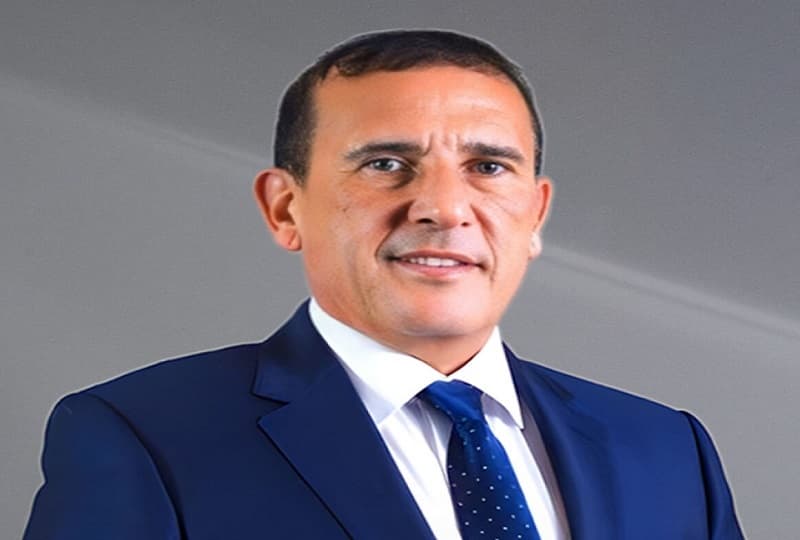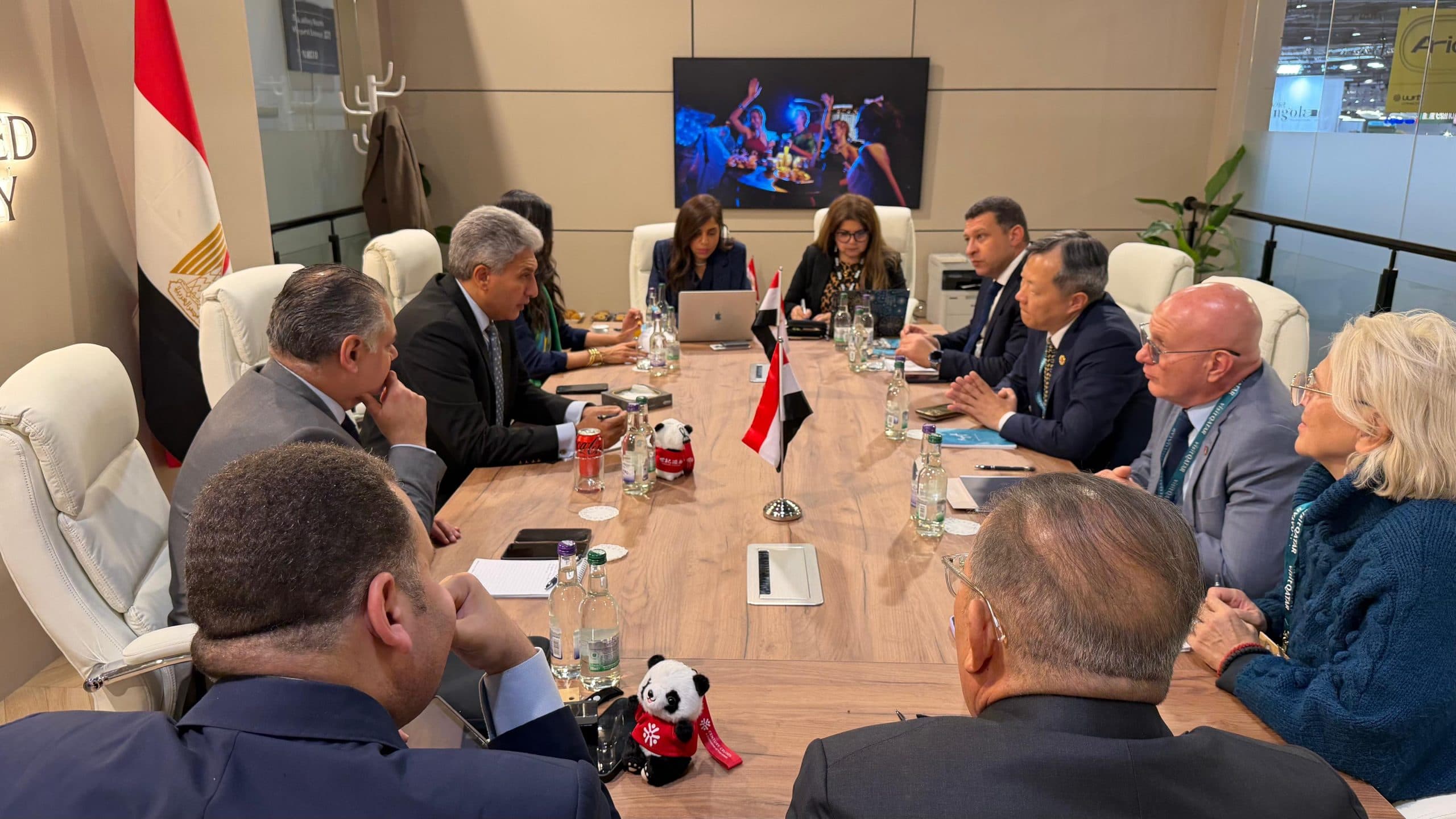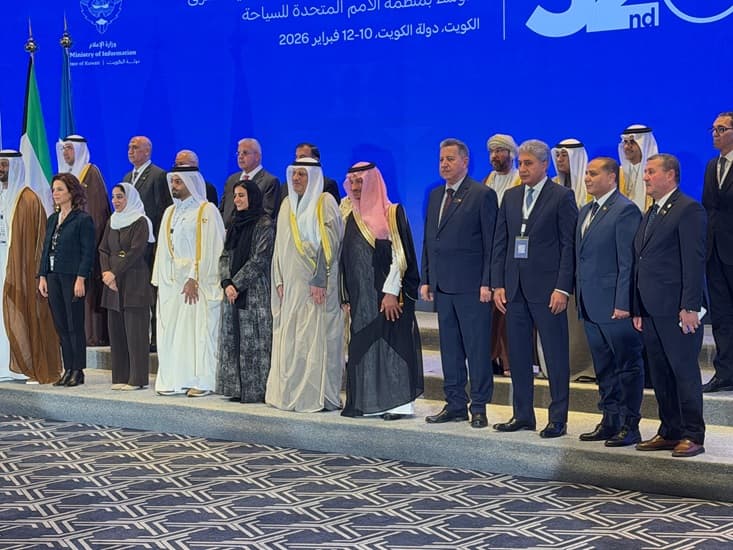
Sherif Fathy, Minister of Tourism and Antiquities, took part yesterday in the 52nd session of the UN Tourism Regional Commission for the Middle East, hosted by Kuwait, which chairs it for the 2025–2027 period. The meeting was chaired by Omar Saud Al-Omar, Minister of State for Communications and Information Technology, Acting Minister of Information and Culture and Chairman of the Regional Commission for the Middle East.
The meeting was attended by a number of tourism ministers and heads of delegations of member states, Ahmed Al-Khateeb, Saudi Arabia's Minister of Tourism and Chairman of the UN Tourism General Assembly, and Sheikha Al Nuwais, the organization's Secretary-General.
Also in attendance were Ambassador Mohamed Gaber Abu El-Wafa, Egypt's Ambassador to Kuwait; Rana Gohar, the minister's Advisor for Communication and External Relations and General Supervisor of the ministry's General Department of International Relations and Agreements; and Dr. Ahmed Nabil, the minister's Assistant for Aviation and Follow-up.
During the meeting, the agenda was adopted and the Secretary-General's report on "A Comprehensive Vision and a Regional Approach" was presented, along with a presentation and discussion of the implementation of the organization's program of work in the Middle East region for 2025-2026, a report on the activities of affiliate members in the region for the same period, and a spotlight on the organization's initiatives in innovation, education and investment.
The organization's regional report for the Middle East (2025–2026) was also reviewed. The data indicated a continued recovery of tourism in the region, with 3% growth in 2025, tourist numbers reaching about 100 million and tourism receipts exceeding USD 150 billion in 2024, with Egypt recording the highest tourism growth rate at 20%.
The organization's Secretary-General thanked Egypt and the Egyptian Minister of Tourism and Antiquities for the efforts made during the two years in which Egypt held the position of the organization's external auditor, stressing that the recommendations Egypt made during this period will serve as a reference for the organization's decisions in the coming period.
The meeting discussed the priorities for 2026–2027, foremost among them human capital development, digital transformation, sustainability and boosting competitiveness, while highlighting important strategic opportunities including the opening of the Grand Egyptian Museum and the diversification of tourism products in the region, as well as enhancing the use of data and statistics, supporting rural tourism and stimulating innovation and investment, helping transform tourism in the Middle East into a smarter, more sustainable and more inclusive sector.
In his speech, Sherif Fathy expressed his sincere appreciation to Kuwait for its generous hosting and organization and its continuous efforts to strengthen joint Arab action. He also praised the distinguished efforts of the UN Tourism Secretariat led by the Secretary-General in preparing for this session, wishing her success in her duties and noting that her holding this high position reflects the ability and expertise of Arab talent to contribute effectively to developing the tourism sector and strengthening international cooperation.

He stressed Egypt's keenness, since the establishment of the Regional Commission for the Middle East in 1975, to support its work, out of belief in the vital role the commission plays in helping Arab countries face the regional and international challenges confronting the tourism sector and in strengthening the region's position on the global tourism map.
The minister pointed to the notable tourism recovery the region is witnessing, with growth of 3% in 2025 according to published reports and amid global changes, reflecting the Arab region's ability to overcome challenges and crises and strengthen the Middle East's position on the global tourism map. He affirmed that it has the natural, cultural and civilizational tourism assets that rightly qualify it to be among the most prominent distinguished tourist destinations in the world, stressing the need to strengthen regional cooperation mechanisms and combine efforts to draw up an integrated roadmap for the tourism industry in the Middle East, through policy coordination and the promotion of joint regional tour programs and products.
He noted that in light of the UN General Assembly declaring 2027 the International Year of Sustainable and Resilient Tourism, the current phase is an important one for preparing and setting strategic frameworks, building capacity, reviewing relevant policies and strengthening partnerships with the various stakeholders, establishing the foundations for more sustainable tourism able to face challenges and ensuring tangible results by 2027.
He reviewed the Egyptian Ministry of Tourism and Antiquities' efforts in the field of sustainability, as the ministry's mission is based on achieving tourism and archaeological economic security, which aims to achieve tourism-based economic sustainability. This includes maximizing the direct and indirect returns of tourism for surrounding communities, enhancing environmental sustainability and supporting digital transformation across the sector.
He explained that the world is currently witnessing a growing trend among tourists towards preferring environmentally friendly destinations, pointing out that some international travel companies and tour operators have announced that by 2030 their cooperation and promotion will be limited to tourist destinations that comply with environmental standards.
In this context, he stressed that the ministry attaches great importance to the shift towards a green economy and enhancing environmental sustainability, with a focus on expanding the use of clean and renewable energy sources in the tourism and antiquities sectors.
He noted that a large proportion of hotels and diving centers in Egypt apply environmentally friendly practices, reflecting the keenness to make tourism in Egypt environmentally responsible and aware of the challenges of climate change.
The ministry is also keen to ensure the availability of services and accessibility for people with special needs in hotels and tourist establishments, as well as at archaeological sites and museums, out of belief in everyone's right to enjoy the tourism experience equally.
He also addressed efforts to preserve archaeological heritage by striking a balance between tourist flows to archaeological sites and museums and preserving the monuments and their sustainability, along with the ministry's work to improve the visitor experience, develop the quality of services provided at these sites and museums and maximize revenue through partnerships with the private sector, while stressing the preservation of monuments in accordance with the international standards followed in this regard.
He also spoke about digital transformation, through the expansion of electronic services, the automation of licensing procedures and the development of training and capacity-building platforms, along with digital infrastructure projects that ensure an improved visitor experience and the preservation of archaeological sites. He also pointed to artificial intelligence and its growing role in shaping the future of the tourism sector and achieving sustainability, as it is no longer just a supporting tool but has become an essential element redefining how trips are planned, how destinations are managed and how visitors interact with cultural and heritage experiences.