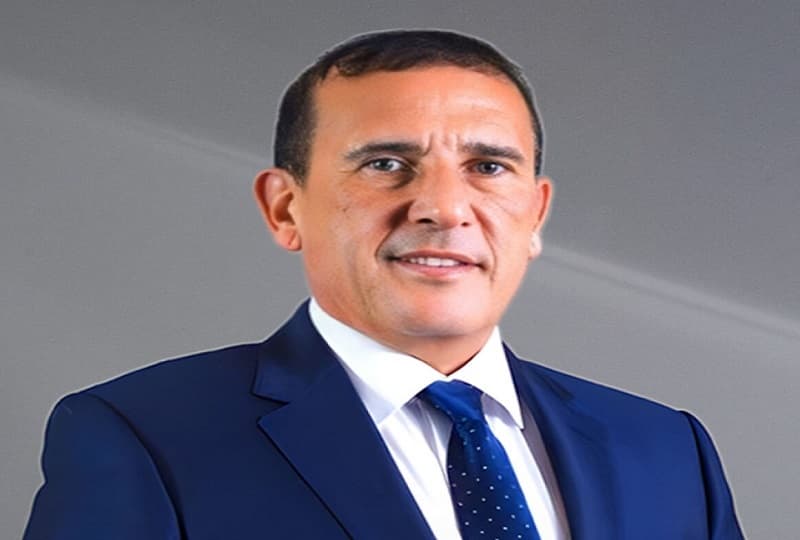
Rashad Refaie: We made 72 million pounds in profits by the end of the last fiscal year
Expanding investment in the Magawish land through a contract with Wadi Degla was a reason for the rise in profits
Sonesta takes over the floating restaurants to fully develop them.. and Misr Travel gets an annual return of 5.5 million pounds
Tourism activity rebounds, especially from the German, Ukrainian, Belarusian and Chinese markets
By Akram Medhat
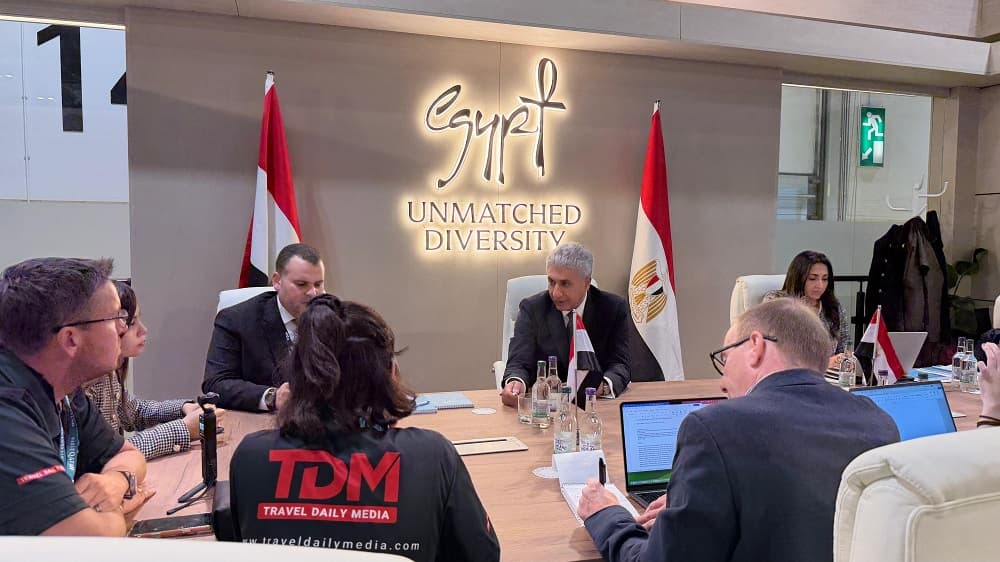
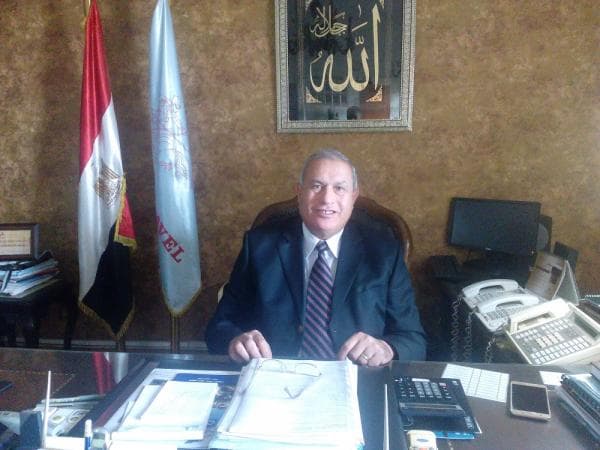
Misr Travel, holder of licence number one among Egyptian tourism companies, is nearing full recovery from the debts accumulated during the years of crises since 2011, which had reached 300 million pounds, as a result of pursuing a fast-track plan that was drawn up and has been bearing fruit successfully so far, as revealed by Rashad Refaie, chairman of Misr Travel, in an interview with Travel Yalla News.
At the outset, Refaie stated that Misr Travel ended the last fiscal year, which ended on June 30, 2017, with profits of 72 million pounds, explaining that the target had been 66 million pounds but the company succeeded in exceeding it. These profits rose by 153% compared with the previous fiscal year, which recorded 28.5 million pounds, and the company has thus shed more than 50% of the accumulated debts that had been a burden on it.
The head of Misr Travel attributed the growing profits to several factors, most importantly the return on real estate investment represented by the Magawish land and village and Nasr City, in addition to the contribution of the Egypt in Our Hearts initiative to boost domestic tourism last year.
The Magawish and Wadi Degla Deal
The head of Misr Travel said investment in the Magawish land in Hurghada is set to expand through a contract signed about a year ago with Wadi Degla as partners, under which Misr Travel receives financial payments. Wadi Degla will build a tourist chalet project on the unused part of the land, as the total area of the Magawish land is 840,000 square metres, of which the existing tourist village occupies only 20%, along with the surrounding green spaces, while the rest of the land is desert.

He added that the agreement includes establishing a Wadi Degla club and building a hotel in partnership with Misr Travel, in addition to renovating and developing the existing Magawish village, and an international hotel company will be contracted to manage the project. He revealed that the plan to implement all phases of the project spans 8 years, and the necessary licences, which had been delayed for a year, are currently being finalized, so that work on preparing the land and renovating the village can begin immediately, which is why the village is currently operating at only half its capacity.
He pointed to a notable improvement in foreign tourist traffic to the village compared with its reliance on domestic tourism during the slump, with the most prominent source markets currently being Germany, Ukraine and Belarus, which the company is focusing on in its marketing during the current winter season and next summer, along with the American, British and Chinese markets.
He noted that the company has signed contracts to bring in foreign tourism through agreements with groups from the United States, Brazil, Iraq, China and Indonesia, which contributed greatly to the recovery of the company's activity in this area and in turn had a positive impact on profits, adding that there are tentative individual bookings by Russians.
Developing the Tourist Transport Fleet
On another front, Misr Travel chairman Rashad Refaie stressed that one of the main reasons for the company's profits was reducing losses in tourist transport and developing it according to a plan and timetable, including disposing of old vehicles and modernizing the fleet. Ten new buses were bought last year and are currently operating in Luxor, Aswan and Cairo with the Chinese tourism market, in addition to monitoring fuel consumption and rationalizing spending.
He added that the Misr Travel fleet currently consists of 80 vehicles, and a project is planned to dispose of old vehicles made before 2000 to fully modernize the fleet.

Refaie explained that the deal to buy the 10 new buses was paid in cash without loans, which is why the company got a good price, noting that although the purchase was completed in two stages, with 5 vehicles received before the decision to float the pound and 5 after it, the price did not change, because a purchase promise for the second batch was signed before the flotation, so they were obtained at the same price.
The Floating Restaurants.. and Sonesta Management
Meanwhile, the three floating restaurants owned by Misr Travel had their share of the development and investment plan to avoid further losses that had been a burden on the company's business. Rashad Refaie revealed that a contract was signed last August with the foreign management company Sonesta St. George to lease and manage the three floating restaurants at the marina, in return for a surplus of 5.5 million pounds annually, with the three restaurants and the marina due to be handed over during this December.

He added that the leasing company will inject at least 12 million pounds to develop the restaurants and the marina, and according to the plan they will be closed for 6 months for development, with the contract terms taking effect and the fixed return being paid to Misr Travel one year after the end of the 6-month grace period.

Flotation and Prices.. Pros and Cons
On the impact of the flotation on the company's business, Refaie said the activity most negatively affected by the flotation decision was Hajj and Umrah, as the prices of hotel rooms contracted in Saudi Arabia doubled even though their prices in riyals were unchanged, in addition to higher fuel costs in tourist transport, spare parts and maintenance costs for the fleet, as well as higher prices for any imported products that enter into production costs, such as supplies for the floating restaurants, most notably food products such as all kinds of meat, while activity in some tourism markets had a positive effect but did not offset the rate of cost increases.
On the other hand, Refaie pointed out that accommodation prices at Magawish village have increased compared with the period of the tourism slump, also to cope with rising operating costs, as the price for a foreign tourist in a double room per night is 40 dollars for all nationalities, compared with only 14 dollars before, while for Egyptians the price is 750 pounds, compared with 400 pounds during the crisis.