Night Manager of Tropitel Naama Bay Hotel: Average Occupancy at 70%, with Foreigners Making Up More Than Half
A Limited Price Rise to Offset Higher Operating Costs, with Five-Star Hotels at $35 per Person Half Board
A Russian Presence Despite Travel Hardship, and a Below-Average Tourist Profile Due to Stagnation and Low Prices
By Akram Medhat
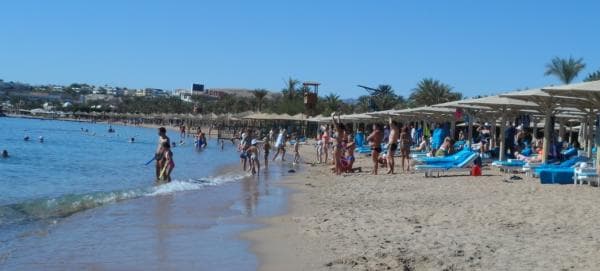
Sharm El-Sheikh is experiencing a relative tourism boom and recovery compared with previous seasons. We do not mean domestic tourism here, as is usual, but the arriving foreign nationalities, most notably Germany, Ukraine and Italy. However, this recovery is largely confined to certain resorts, and the main street of restaurants and cafes in Naama Bay, for example, the most famous tourist and commercial promenade in Sharm El-Sheikh, has not yet felt it as desired.
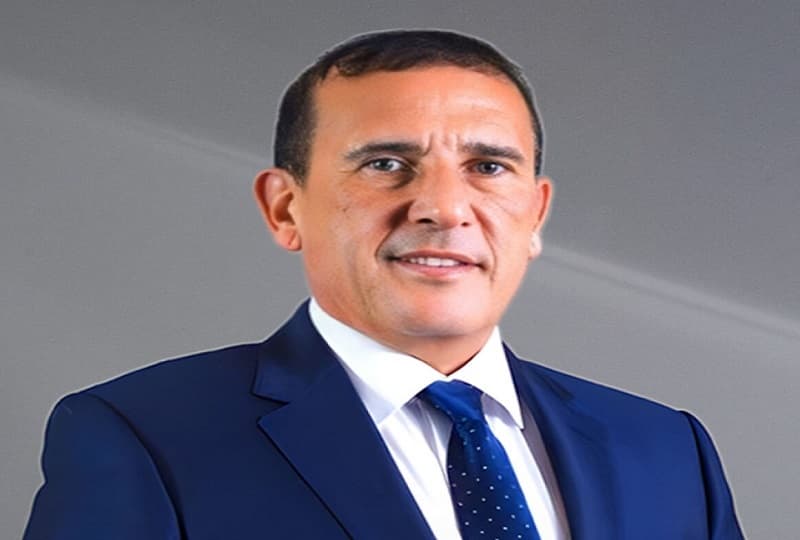
In this context, Reda Gomaa, night manager of the Tropitel Naama Bay hotel in Sharm El-Sheikh, affirmed that foreign tourism in the city has improved markedly compared with when it depended on domestic tourism along with some Arabs. He noted that foreigners currently account for more than 60% of hotel occupancy in Sharm El-Sheikh, especially in Naama Bay, compared with only 2% previously.
Gomaa told "Travel Yalla News" that occupancy rates at a large number of Sharm El-Sheikh hotels currently range between 65% and 75%, with the Ukrainian and Belarusian markets accounting for the bulk of inbound tourism to the city, followed by the German, British and Italian markets, the latter taking up entire hotels, in addition to Swiss tourists and some Canadians.

The night manager of Tropitel Naama Bay added that occupancy at the hotel is currently around 70%, with foreigners accounting for more than half, especially from Eastern European countries led by Ukraine and Belarus, along with small numbers from the markets of Turkey, Jordan, Saudi Arabia, Lebanon, the UAE and Kuwait. He pointed out that there are also tourists from Indonesia and the Philippines, but their tourism is not leisure but cultural and religious, staying one night to visit Saint Catherine, and they are not interested in the beaches.
Price Developments
On current prices at Sharm El-Sheikh hotels, Gomaa explained that the current price level suits the type of tourists and the nationalities arriving most in the city, noting that prices have risen by 40% over last season due to the increased cost of operating hotels.
He indicated that despite the rise, prices are still low, but they will not fall below operating costs, especially after their recent increase. The average price for foreigners at a five-star hotel on a half-board basis (breakfast and dinner) is $35 per person per night in a double room, compared with about $25 before, in order to maintain the profit margin after the rise in hotel operating costs.
He said the average price for Egyptians is 400 pounds per person in a double room on half board at a five-star hotel, which is very low compared with previous periods, particularly during conferences and peak times, when it reached 2,000 pounds, with the aim of attracting a targeted segment of guests, "which is why we raise prices."
He pointed out that the price of a full-board booking (breakfast, lunch and dinner) is about $10 more than half board, or its equivalent in other currencies, while for Egyptians it is 100 pounds higher.

Bookings Pick Up
Reda Gomaa revealed that bookings have picked up for this December and next January compared with November, especially from the second half of December. Foreign tourism accounts for the largest share of these bookings, led by Germans and Ukrainians, followed by the British and Italians, especially during the New Year holiday.
He added that bookings for the first half of next January are very good, but they will slow down in the second half of the same month and early February, which is normal, with occupancy falling to 50%, noting that this is acceptable.
Gomaa indicated that one of the reasons for the pick-up in bookings is the wide resonance of the World Youth Forum. During its events, Sharm El-Sheikh experienced tangible things that were conveyed in a positive light to the various tourism markets, most notably the city's security measures, which were of a high standard without restricting or stifling tourists or workers at hotels and tourist shops. He expressed hope that this approach would continue.
He explained that Sharm El-Sheikh appeals more to young people than Hurghada, and therefore the conference created a relative boom in occupancy at some hotels, averaging 70% and still continuing. As the world followed the event, the negative image held by apprehensive tourists changed and they made the decision to travel. He noted that most current bookings were made at the last minute by many nationalities, to the extent that January bookings were made only two or three weeks ago, and early confirmed bookings were very few.
Limited Russian Presence
On another note, the night manager of Tropitel Naama Bay said that despite the ban, small numbers of Russian tourists still come to Sharm El-Sheikh, but Russians face great difficulty and flight costs relative to their means, especially as it takes many hours and much hardship to travel via transit through Turkey or Ukraine to reach Sharm El-Sheikh directly, or Cairo first and then take a domestic flight, all this exhaustion to spend a holiday of a week or 10 days.
He added that this is why they are unable to travel. In the winter season, the Russian tourist has two choices: either endure the cold in his own country or travel to another tourist destination, until direct flights from Moscow to Cairo or Sharm El-Sheikh resume. Nevertheless, some Russians travel regularly to Sharm El-Sheikh, he said, noting that two rooms at his hotel have been booked for 21 days by Russian tourists, on what is their 40th visit.
He explained that wealthy Russian tourists no longer come to Sharm El-Sheikh, and that since 2011 the city has become attractive to below-average tourists who used to dream of coming to Sharm El-Sheikh. This is due to the repercussions of low prices resulting from the stagnation and crises the city has experienced, especially in the past two years, which led to a decline in service quality and contributed to the drop in the profile of tourists.
Sharm El-Sheikh used to depend on Russian tourism for 70% of all nationalities arriving there. Describing the previous situation, he said: "It was a Russian occupation." Therefore, when they were absent, a big gap and stagnation occurred. This was a tourism marketing mistake, as there are other strong markets such as Poland, East Asia and Eastern Europe, to which we have only recently paid attention.