Governor to Travel Yalla: We took part in international tourism fairs to promote the city's attractions next season
By Akram Medhat - Travel Yalla journalist
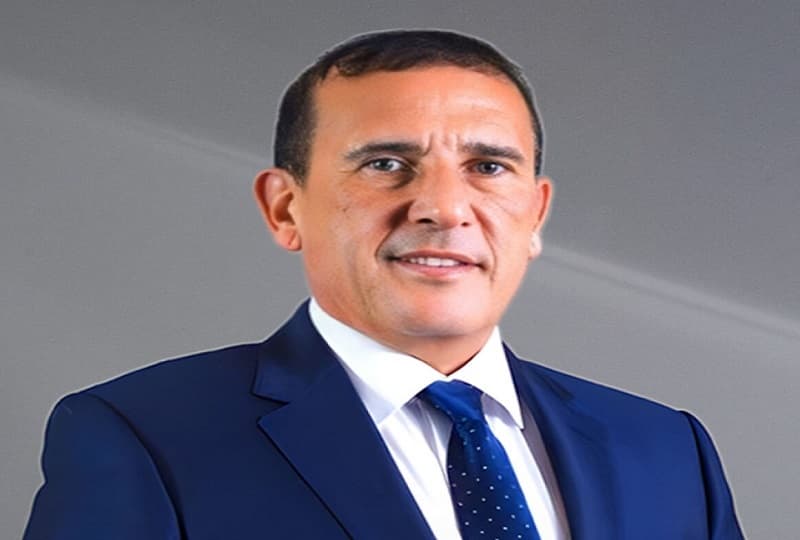
Dr. Ayman Abdel Moneim, Governor of Sohag, said the governorate had not previously received the attention it deserves given its tourist and archaeological assets, and it has been included, in coordination with the Ministry of Tourism, on the cultural tourism map to be promoted at international tourism fairs starting from the current winter tourist season.
Abdel Moneim revealed in exclusive statements to Travel Yalla that a protocol has been signed for the first time to receive groups of American tourists, totaling 450, who will come to Sohag governorate on special programs until the end of next April. He noted that this contract came after the visit last October of the first American tourist group, made up of 24 people, which was dedicated exclusively to Sohag rather than including it in one-day trip programs from Luxor and Aswan.
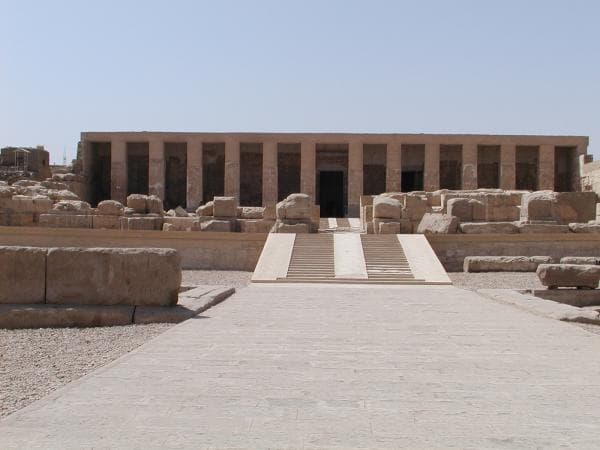
The Governor of Sohag added that since taking office, his mission has been to give Sohag the chance to be on the tourist map as it deserves, given the archaeological assets it has, most notably the Temple of Abydos, the only one in the world that still retains its complete structure without damage, which tourists visit and in which some of them worship. However, the area needs development to be ready to receive tourists from around the world. There is also religious tourism, which continues throughout the year with visits to the White Monastery and the Red Monastery, especially by American tourists.
He continued: "Among the rich archaeological areas is 'Akhmim', home to the statue of Meritamun, as well as an archaeological area and a complete Karnak temple like the one in Luxor that has not yet been excavated and brought to light. There is also a world-class antiquities museum that has been under construction since 1999 and has not yet been completed, while the artifacts to be displayed in it are kept in underground storerooms in an unsatisfactory manner." He expected it to be larger than the Egyptian Museum in Tahrir, criticizing the neglect of such rich antiquities by the concerned authorities: "This means there is a mistake and negligence."
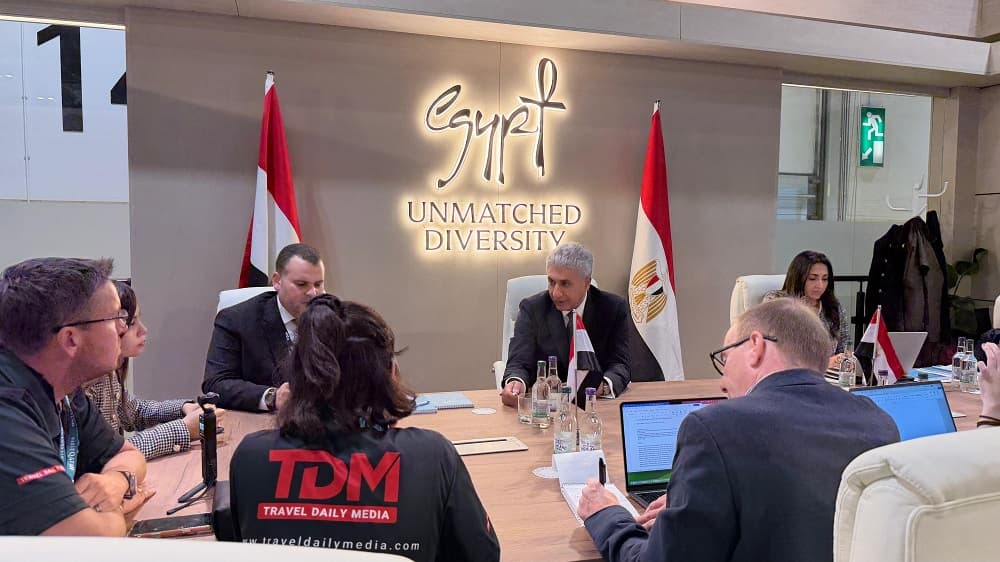
Abdel Moneim explained that the plan to boost tourism in Sohag began with international tourism fairs, in which the governorate had never taken part before, and the Minister of Tourism was contacted about this. "We made educational films in various languages showcasing the governorate's tourist and archaeological assets," he said, adding that this was done over 5 months to highlight all the hidden tourism treasures, drawing on international expertise in this field.
This effort resulted in a visit by 24 American tourists specifically to Sohag, and a hotel was opened next to the Temple of Abydos. "We organized various entertainment programs with a visit to the temple, and theatrical and folk performances, for which the governorate is famous, were presented at the hotel." Coordination was also made through a number of visitors who work at an Arab music institute in the United States for a visit by 300 American students and an Arab music concert at the Roman theater overlooking the Nile.
The governor pointed out that Sohag used to be merely a quick one-day tourist stop to visit the Temple of "Abydos" within tourist programs for Luxor and Aswan, and no one came to it specifically, to the point that people thought it was an area belonging to Luxor governorate. It is also only two hours away from Safaga port.
He said a tourist program has been prepared that allows tourists to stay in the city for several days, with Nile buses operating to take visitors on an outing, after visiting hours at the Temple of Abydos end at 5 pm, to the city of Akhmim, which has the largest silk and handmade textile industry as well as antiquities. "We have already begun highlighting these assets by marketing the governorate at tourism fairs, in which the textile and silk industry took part."
On another note, the governor pointed to the development of informal areas and the fishermen's district, adding restaurants and a fish market and setting up workshops for nets and boats on the Nile Corniche, so that it also becomes an attraction for visitors.