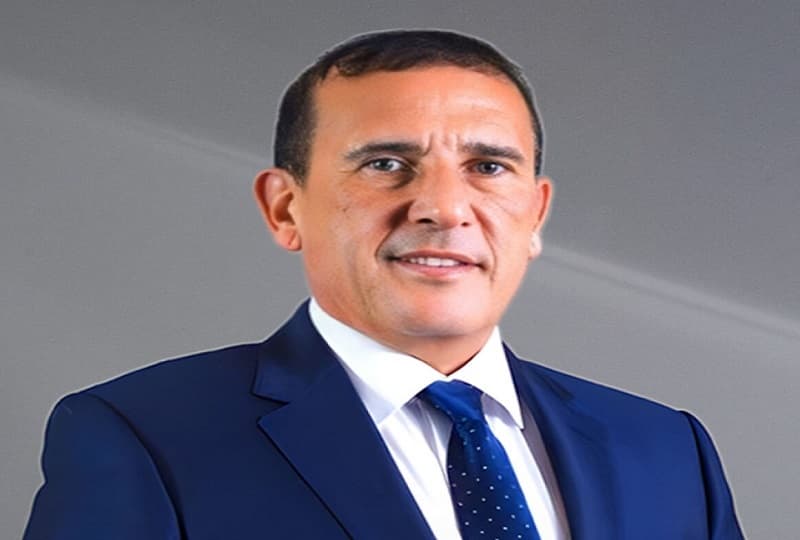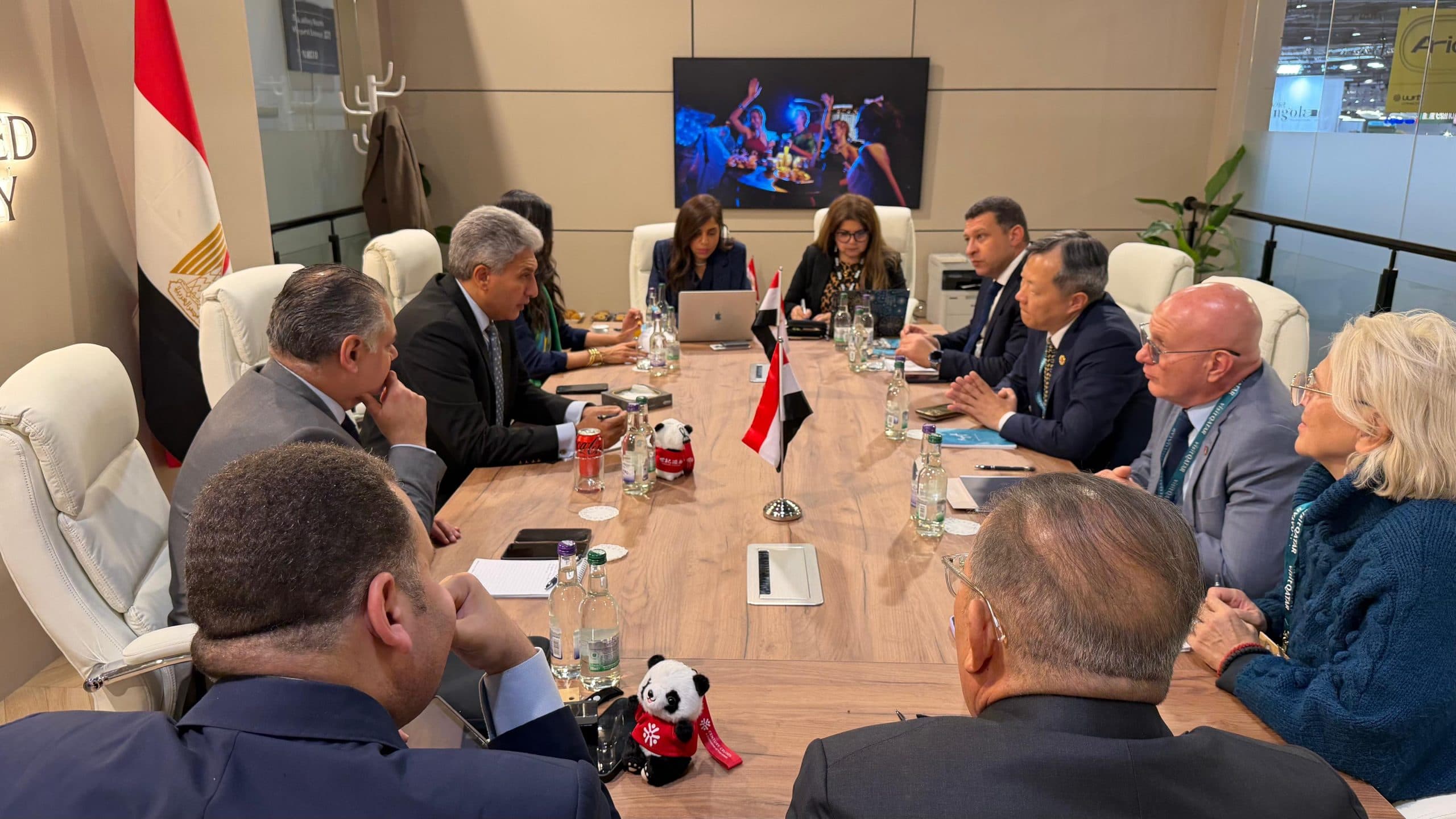
Minister of Tourism and Antiquities Sherif Fathy took part in the 126th session of the Executive Council of UN Tourism, held in Toledo, Spain, on 10 and 11 June. He stressed the importance of Egypt's participation in the session, especially as Egypt has been elected a member of the organization's Executive Council for 2025 to 2029, reflecting Egypt's standing and active role in supporting tourism development efforts regionally and internationally.
In his intervention during the session, the tourism minister praised the realistic strategy presented by UN Tourism Secretary-General Shaikha Al Nowais, which keeps pace with the current challenges facing the global tourism industry, affirming Egypt's commitment to cooperating with the organization to implement the strategy and achieve its goals.
Under the pillar on strengthening the resilience of the tourism sector and its ability to face the current challenges in the Middle East, supporting the sector's rapid recovery, the minister stressed the need for global efforts to support all means of transporting travelers, tourists and goods worldwide to revive the global economy and avoid a slowdown that could amount to recession. Providing safe, efficient and affordable transport is one of the most important elements in ensuring the sustainability of global tourism, as it is the backbone linking tourist destinations with source markets, whether by air, sea or land.
He stressed the importance of maintaining the efficiency of transport networks in all their forms and strengthening the continuity and sustainability of their operation, especially in times of geopolitical crises and the rapid challenges the world is witnessing and their repercussions, to accelerate the recovery of tourism globally.
Concluding his intervention, the minister reaffirmed Egypt's full support for UN Tourism and its various initiatives aimed at developing the tourism sector and strengthening its contribution to economic growth and sustainable development worldwide.

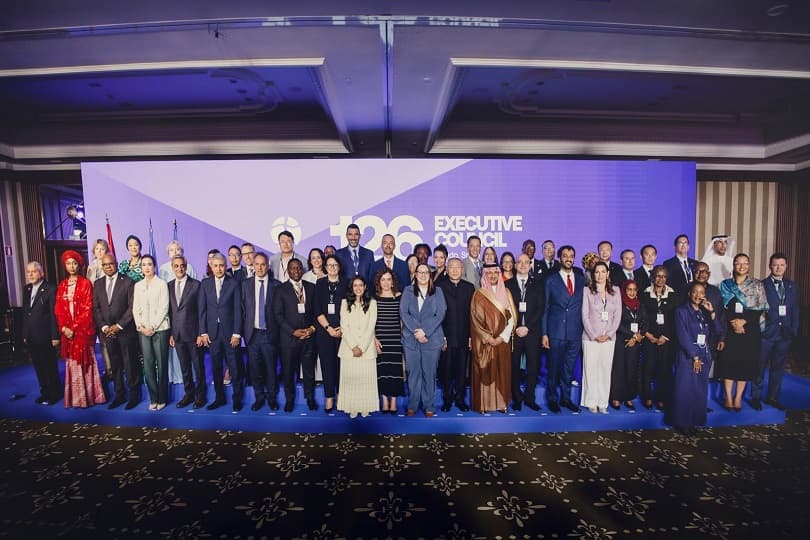
The meeting saw the announcement of the opening of UN Tourism's new headquarters in the Spanish capital Madrid, scheduled for 29 June, as well as a group photo of the heads of participating delegations and the approval of the host countries for the coming 127th, 128th and 129th sessions of the UN Tourism Executive Council.
The meeting also included extensive discussions on a number of priority topics, pillars, issues and files for the global tourism sector, including tourism and sustainable development, stressing tourism's role as a driver of economic growth, job creation and social inclusion, as well as ways to tackle challenges linked to geopolitical tensions, economic fluctuations and climate change.
The discussions also addressed the importance of supporting innovation, digital transformation and artificial intelligence applications in tourism, strengthening climate action and investing in capacity building and human development, helping to make the sector more resilient, sustainable and inclusive.
Under the tourism and peacebuilding pillar, the council discussed Colombia's proposal to establish a joint working group to strengthen tourism's role in building peace and reintegrating communities affected by conflict, focusing on documenting peace tourism experiences and involving women, young people, indigenous peoples, people with disabilities and those affected by conflict in tourism initiatives.
The council also followed up on the mechanisms for implementing the outcomes of the "Riyadh Declaration on the Future of Tourism", adopted at the 26th session of the General Assembly, on the responsible use of artificial intelligence in tourism, and the organization of a high-level conference on artificial intelligence and tourism in Kuwait in 2026, as well as implementing capacity-building programs and workshops in cooperation with Amadeus and developing a global framework to measure countries' readiness to adopt artificial intelligence based on data infrastructure, governance, skills and interoperability.
The discussions also covered preparations for the International Year of Sustainable and Resilient Tourism 2027, approved by the UN General Assembly, with an international steering committee established to oversee the preparation and implementation of the 2027 roadmap, focusing on biodiversity, climate action, reducing plastic pollution and the sustainable transformation of tourist destinations, and strengthening tourism's role in achieving the Sustainable Development Goals, fighting poverty and protecting the environment.
Egypt currently holds one of the three seats allocated to the Middle East region on the Executive Council, alongside Saudi Arabia and the UAE, for 2025 to 2029, after being elected at the 51st session of the Regional Commission for the Middle East in Doha in 2025, with the nomination approved by the General Assembly at its 26th session in Riyadh.