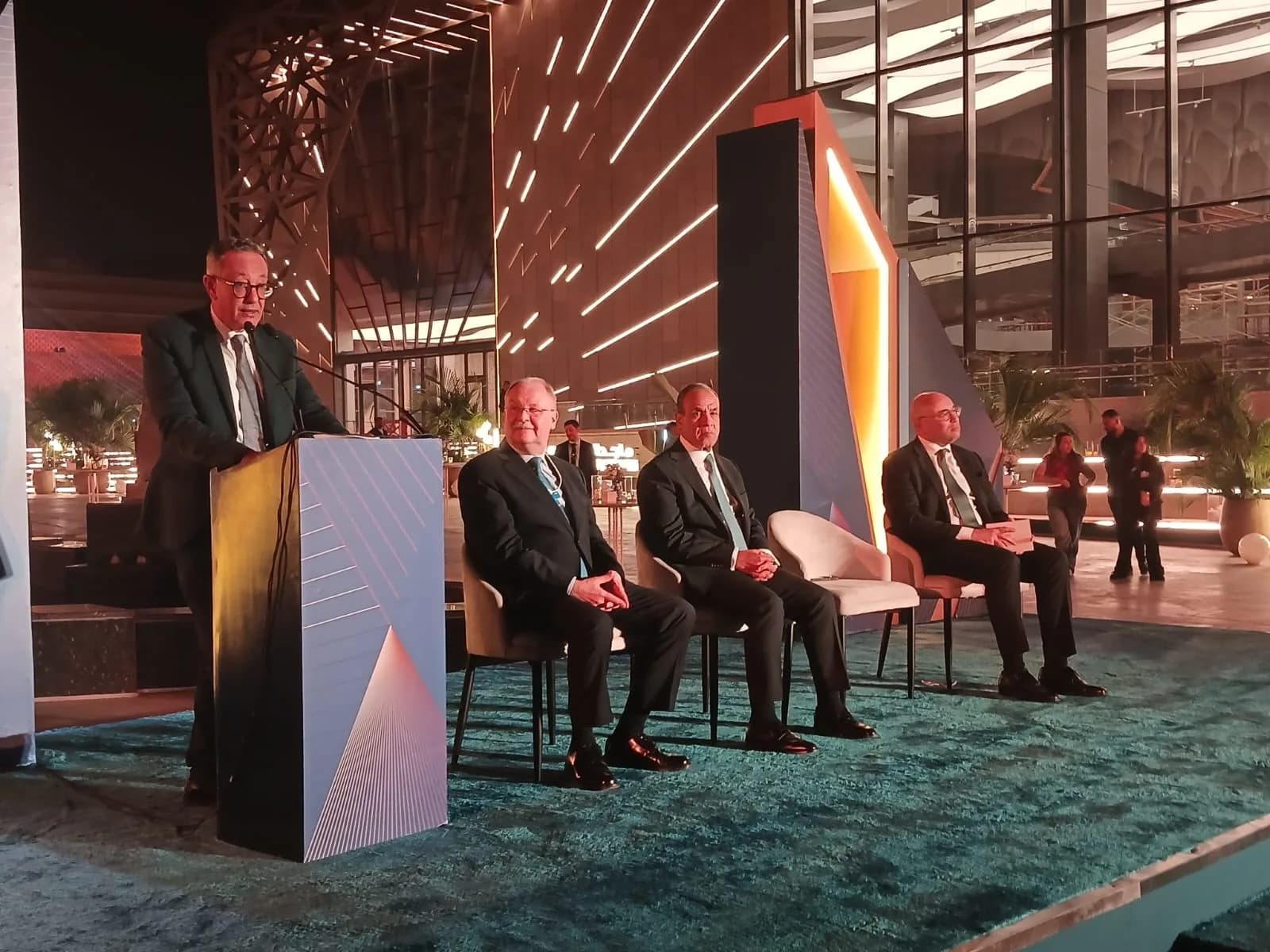
During the event, Dr. Ahmed Ghoneim, CEO of the Grand Egyptian Museum Authority, took part in a panel discussion, expressing his pleasure at hosting this important international event, which brings together leading decision-makers and business leaders. He noted that this reflects the Grand Egyptian Museum’s growing status as a global cultural and civilizational landmark and a distinguished venue for major international events and meetings. He also highlighted the role played by the museum in supporting the Egyptian economy and strengthening Egypt’s position on the global cultural tourism map.
He pointed out that the museum, the world’s largest archaeological museum dedicated to a single civilization, offers an integrated cultural and tourism experience combining the rich heritage of ancient Egyptian civilization with the latest museum display techniques. It also houses main exhibition galleries, a children’s museum, a specialized conservation center, and the complete collection of King Tutankhamun’s treasures, displayed together for the first time.
Ghoneim revealed that, during its first year since its official opening, the museum welcomed more than 5.2 million visitors, reflecting strong visitor interest and underscoring its role in boosting inbound tourism to Egypt, particularly cultural tourism.
He added that the museum’s economic impact extends far beyond its immediate geographical surroundings, as it encourages tourists to extend their stays in Cairo and Giza, positively affecting hotel occupancy rates, restaurants, tourist transport, tour guiding, and other tourism-related activities and services. It also supports local supply chains and creates further economic opportunities.
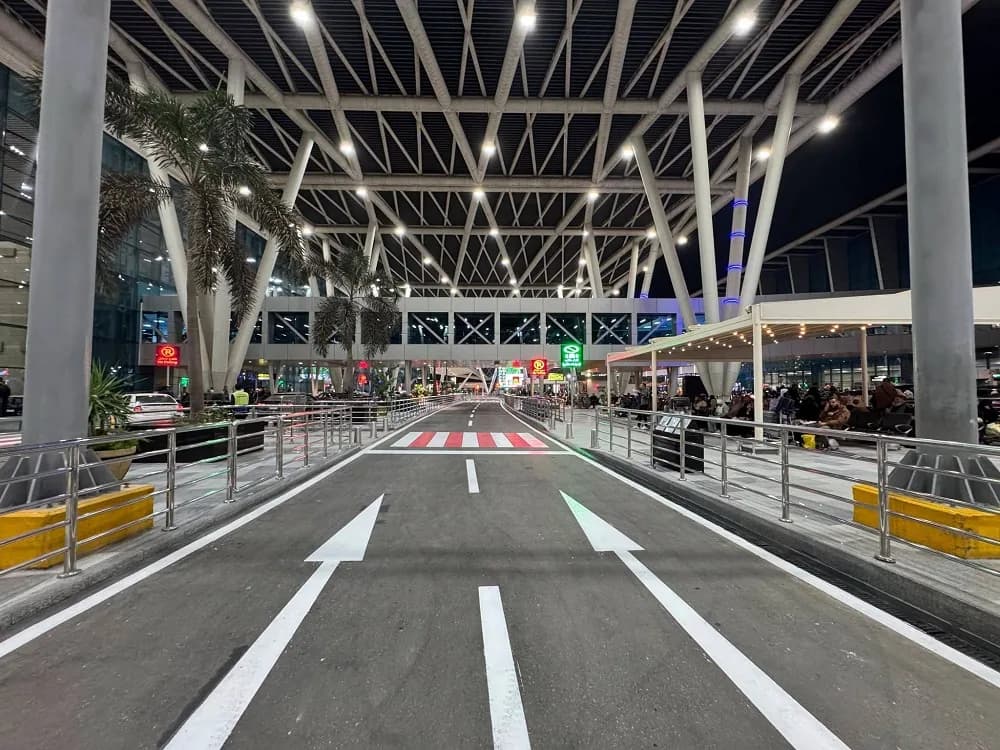
He stressed that the museum is one of the key projects supporting the National Strategy for Sustainable Tourism Development within the framework of Egypt Vision 2030. He noted that the master plan for developing the area surrounding the museum and the Giza Pyramids aims to transform it into an integrated tourism and cultural destination, supported by infrastructure and tourism service development projects, as well as the role of Sphinx International Airport in improving access to the area.
He also noted that the museum’s opening has enhanced the area’s appeal to tourism and hospitality investors, with growing interest in establishing new hotels, accommodation facilities, and service and entertainment venues in its surroundings.
Ghoneim also discussed the museum’s role in supporting traditional crafts, creative industries, and small and medium-sized enterprises across Egypt’s governorates by providing Egyptian artisans and designers with opportunities to showcase their products to a wide international audience through the museum’s official store. He also highlighted the public-private partnership model adopted to manage and operate the museum’s services, explaining that it is based on complementary roles: the Grand Egyptian Museum Authority is responsible for antiquities preservation, conservation, scientific research, and education, while the private-sector partner manages daily operations, services, and the visitor experience.
He emphasized that the achievements made by the museum during its first year demonstrate how investment in culture and heritage can generate tangible economic and development returns, not only by attracting more tourists and investment, but also by creating new jobs, supporting local communities, and increasing the contribution of cultural and creative industries to the national economy.
The event was attended by Dr. Badr Abdelatty, Minister of Foreign Affairs, International Cooperation and Egyptian Expatriates; Dr. Ahmed Rostom, Minister of Planning and Economic Development; the Governor of the Central Bank of Egypt; Dr. Mohamed Farid, Minister of Investment and Foreign Trade; Maroun Kairouz, Managing Director of the World Economic Forum; Ahmed Galal Ismail, CEO of Majid Al Futtaim Holding; Odile Renaud-Basso, President of the European Bank for Reconstruction and Development; Jack Hidary, CEO of Sandbox; as well as senior representatives of the international business community participating in the meeting and a number of prominent officials and economic figures.