Digital services and faster licensing help companies expand and renew tourist vehicle fleets
Ministry of Tourism and Antiquities indicators show significant growth in tourist transport capacity between August 2024 and September 2026. Licensed tourist vehicles increased from almost 16,000 to more than 20,500, a rise of 29%, while available seats grew from over 233,500 to nearly 292,300, up 25% over the same period.
Samia Sami, Assistant Minister of Tourism and Antiquities for Tourism Companies, said the increase is a positive indicator of the system’s growing capacity and ability to keep pace with rising inbound tourism. She explained that greater capacity improves visitor services and enables companies to deliver programmes more flexibly and efficiently across Egyptian destinations. Tourist transport is a fundamental component of the tourism system and a key factor in improving the visitor experience.
She said the minister places strong emphasis on developing and supporting the fleet and providing every possible facilitation to expand capacity in line with growing demand and visitor targets, while complying with applicable regulations and approved quality and safety standards.
Sami added that faster processing of vehicle additions under the relevant rules, together with necessary facilitation, digital licensing services and streamlined workflows, has accelerated applications and encouraged companies to add vehicles and renew their fleets. This has directly increased vehicle and seat numbers.
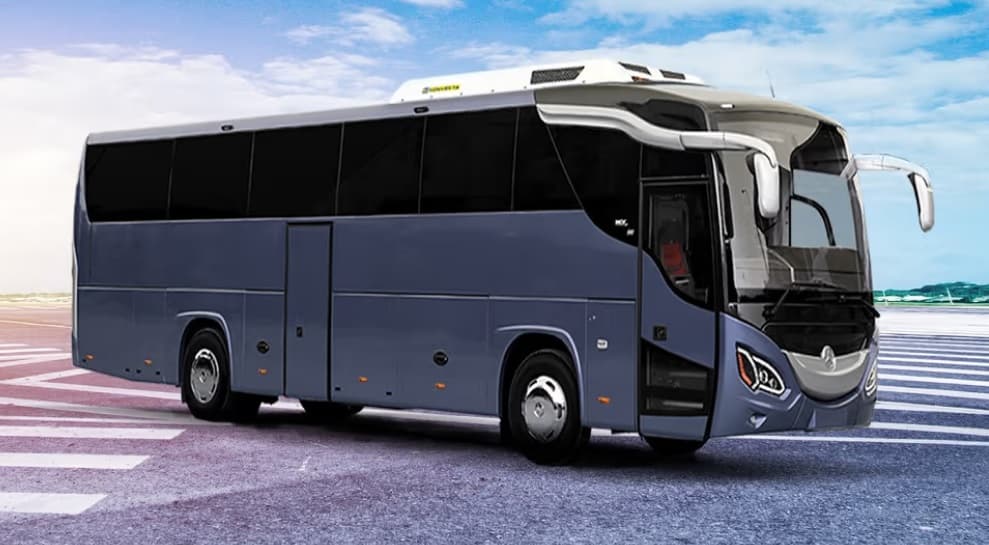
Growth covered all vehicle categories. Limousines recorded the strongest increase at 49%, followed by minibuses at 32%, coaches at 28% and microbuses at 13%.
Ministry figures also show greater reliance on locally manufactured vehicles, which account for 86.9% of coaches and 70.4% of limousines in the tourist transport fleet.
Engineer Hossam El-Badawy, Director General of the ministry’s General Administration for Tourist Transport, said the administration is receiving a marked increase in applications from tourism companies to add vehicles and expand fleet capacity. This reflects their intention to grow their businesses and improve services for visitors.
All licensed tourist transport vehicles are fitted with GPS tracking devices, allowing real-time monitoring of movement, routes and speed, and enabling a rapid response to operational issues or emergencies. This improves safety, compliance and operating efficiency.
Tracking now covers tourist vehicles both inside Egypt and abroad. Its effectiveness was demonstrated during the last tourism Hajj season, when coaches carrying pilgrims were monitored from departure in Egypt, through Jordan and into Saudi Arabia, as well as on their return. This enabled timely intervention when needed and improved coordination and monitoring throughout the journey.
The tracking system provides accurate data to support planning and decision-making, while reinforcing confidence in a modern, safe tourist transport system, supporting tourism growth and creating a more attractive environment for new investment.